Considering feeding your dog a vegetarian diet or curious about offering a meatless option a few nights a week? Vegetarian and plant-based diets have grown in popularity among people over the past two decades, and some pet owners now want to explore carefully designed meat-free options for their dogs. Today, a number of scientifically formulated plant-based dog foods exist, but it’s important for pet parents to understand what these diets are, how they work, and what to consider before switching.
What is a vegetarian dog food diet?
Vegetarian dog foods are specifically formulated to contain no meat-based protein ingredients. Instead, they rely on plant-derived ingredients—such as legumes, potatoes, grains, and other vegetables—or include animal-derived non-meat ingredients like whole eggs to help meet protein needs. Dogs are generally classified as omnivores, which means they can digest and use nutrients from plant sources, but a meat-free diet still needs to be carefully balanced. Reputable plant-based dog foods are developed by animal nutritionists and veterinarians and are fortified with essential amino acids, vitamins and minerals so the diet meets established nutritional requirements.
Typical protein sources in plant-based recipes include legumes (peas, lentils) and starchy vegetables (potatoes, sweet potatoes). These ingredients offer protein, fiber for digestive health, and a range of vitamins and minerals. To ensure dogs receive adequate, bioavailable nutrition, manufacturers often add complementary ingredients or fortify formulas so nutrient targets for protein quality, fatty acids, vitamins and minerals are achieved.
What are the pros and cons of a vegetarian dog food diet?
Pros:
- When formulated and validated by qualified animal nutritionists and veterinarians, meat-free diets can supply the nutrients dogs need. This can be a helpful option for dogs with specific protein sensitivities or ingredient allergies when veterinary guidance is followed.
- Plant-based diets may appeal to pet owners who are motivated by environmental concerns, ethical preferences, or a desire to reduce their household’s reliance on animal proteins. For some families, offering a plant-based product occasionally as part of a rotating diet can be a practical first step toward a more flexible, “flexitarian” feeding approach.
- Some plant-based recipes are enhanced with prebiotics, probiotics, omega fatty acids, and antioxidant vitamins to support digestive health, skin and coat condition, and immune function, similar to conventional formulas.
Cons:
- Nutritional needs for dogs are specific and relatively fixed. If a vegetarian diet is not properly formulated and balanced, deficiencies or imbalances can develop over time. That is why veterinarians generally advise against unsupervised home-cooked meat-free diets and recommend choosing commercially produced, nutritionally complete formulas developed by experts.
- Plant-based dog foods should be selected with care: look for companies that use recognized standards and that have conducted feeding trials or long-term studies demonstrating safety and nutritional adequacy.
- Plant-based diets for dogs are not appropriate for cats. Cats are obligate carnivores with different dietary requirements and must receive animal-based nutrients that are not replaceable by plant ingredients alone.
What to consider with a vegetarian dog food diet
If you are thinking of switching your dog to a plant-based diet, consider these practical points to help ensure it is a safe, healthy choice:
- Choose a product formulated by animal nutritionists and veterinarians and produced by a manufacturer with a strong record of food safety and transparency. If you have questions, contact the company’s consumer services team for details about formulation and testing.
- Verify the formula is labeled “complete and balanced” according to AAFCO (or your country’s equivalent) feeding standards, which indicates the recipe is intended to meet a dog’s overall nutrient requirements when fed as directed.
- Products that have undergone independent or manufacturer-conducted long-term feeding trials provide additional assurance that the diet supports health over time; these trials are often considered a high standard of validation.
- When introducing any new food, transition your dog gradually over several days to two weeks by mixing increasing amounts of the new diet with the old to reduce digestive upset. Monitor your dog’s appetite, energy level, weight, stool quality and coat condition during the transition and afterward.
- Regular veterinary checkups and periodic bloodwork are sensible when making a major, long-term dietary change. Your veterinarian can help monitor for subtle signs of nutrient shortfall and advise on supplements only if necessary.
- Keep mealtime interesting: topping plant-based kibble with approved fresh vegetables, a small amount of plain cooked egg, or a veterinarian-recommended topper can help dogs accept a new recipe and enjoy variety in their meals.
Introducing Wellness CORE Digestive Health Plant-Based Dry Dog Food:
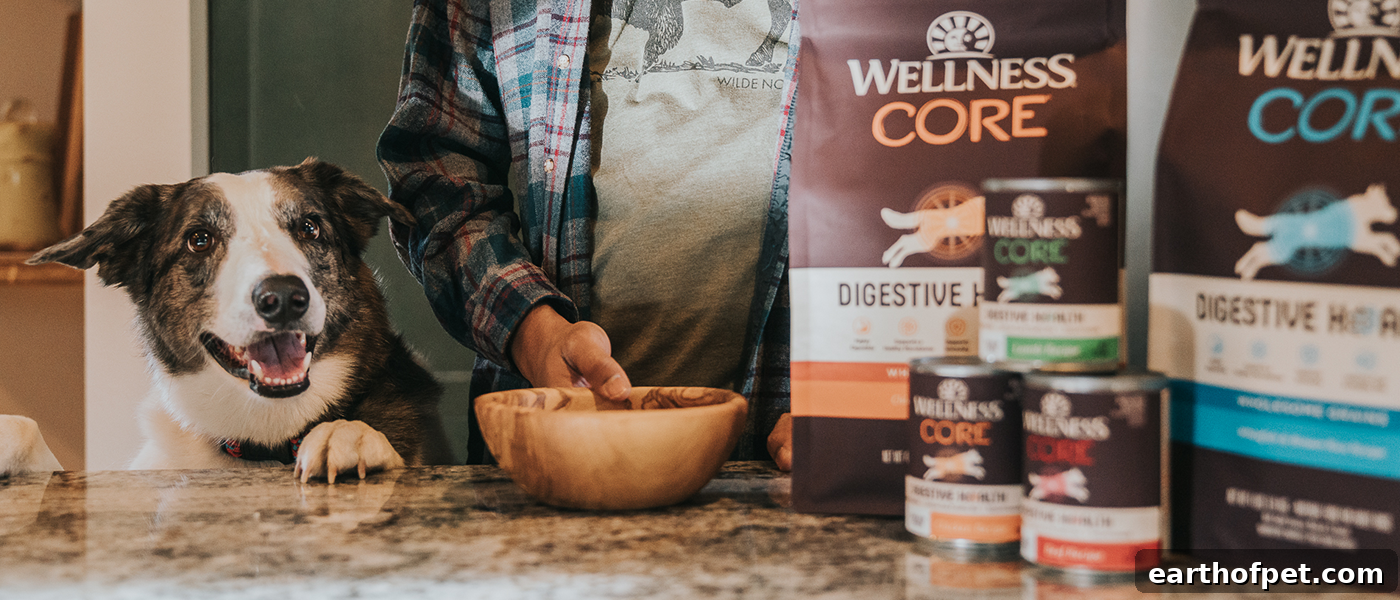
For pet parents exploring plant-based options, Wellness CORE® Digestive Health Plant-Based is formulated as a complete, meatless kibble that includes added whole eggs and is designed to support digestive wellbeing through added prebiotics and probiotics. The formula is also complemented with vitamins and antioxidants for immune support and omega fatty acids for skin and coat health. Wellness CORE® Immune Health Bowl Boosters® provide a plant-based topper designed to add flavor and supplemental support for active, long-term health. As with any diet change, consult your veterinarian to determine if a plant-based option is appropriate for your dog and to establish the right feeding plan for their individual needs.