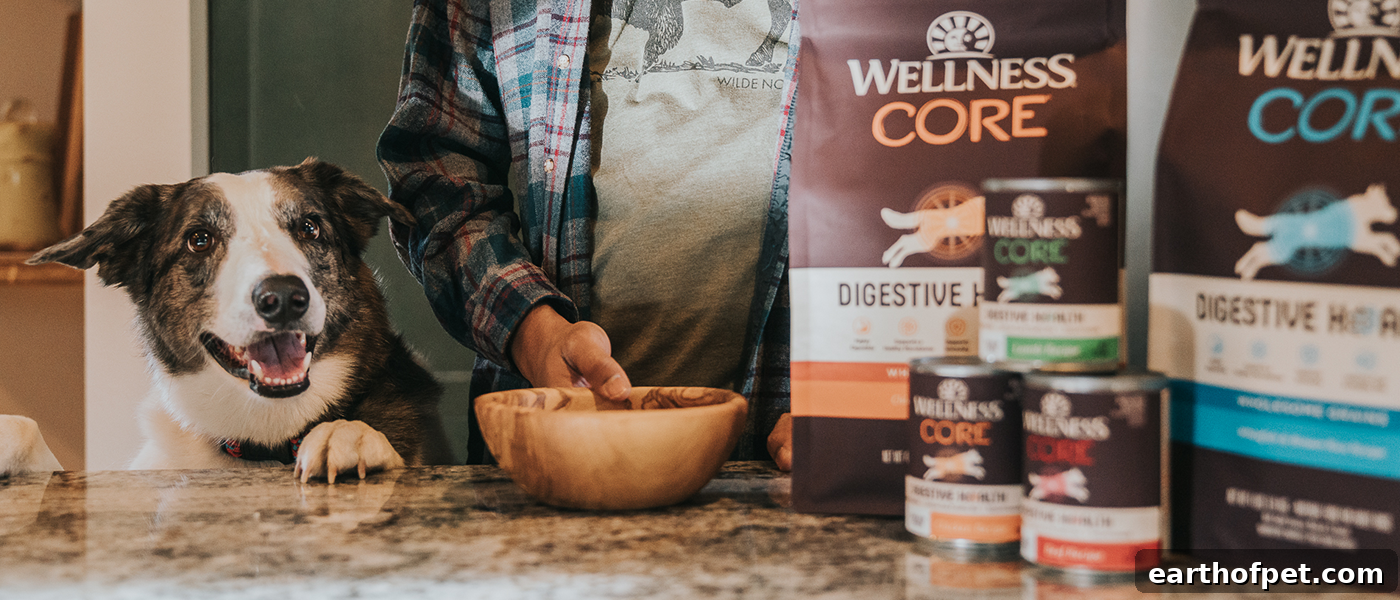
If there’s one thing most pet owners agree on, it’s this: dental care matters. Yet it’s one of those tasks that often slips down the list.
Between busy mornings, picky animals, and routines that feel complicated, pet dental care easily becomes an “I’ll start tomorrow” promise — and tomorrow turns into next month.
Pet Dental Health Month is a perfect moment to rethink how we care for mouths at home. The good news: lasting dental health for dogs and cats doesn’t require a full spa treatment or a wrestling match with a toothbrush.
Often, what really makes a difference is a simple, consistent habit that takes about two minutes1 each day.
This article outlines habits that stick, treats and chews that genuinely help, and practical ways to make dog and cat dental care feel less like a chore and more like a win for both you and your pet.
Why Dental Health Deserves Attention
Your pet’s mouth is more than a place for food and treats — it’s a gateway to whole-body health. Dental disease in dogs and cats is one of the most common problems veterinarians see. Left unchecked, plaque can harden into tartar, leading to gum disease, inflammation, tooth loss, pain, and in some cases secondary effects on organs like the heart, liver, and kidneys.
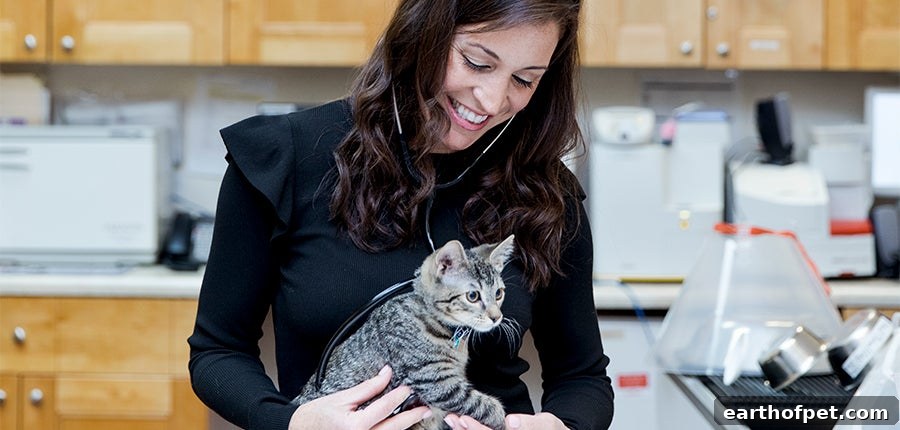
Put simply: healthy teeth support healthy bodies. Daily home care helps a lot, but it doesn’t replace annual professional cleanings. Home habits and veterinary care together protect long-term wellbeing.
The Two-Minute Daily Habit
The key to sustainable dog and cat dental health is consistency, not perfection. Rather than committing to an elaborate routine you’ll abandon, pick a short, pleasant two-minute habit your pet tolerates — or even enjoys. Think of this as dental care’s version of compound interest: small, repeated actions add up.
Two-minute options include:
- Offering a functional dental chew
- A quick, gentle brushing session
- Applying a dental topper or water additive paired with chewing
- A nightly “chew and chill” ritual after dinner
The goal is simple: reduce plaque and tartar regularly before they develop into larger problems.
Plaque, Tartar, and the Problems They Cause
Plaque forms naturally every day and is soft and manageable at first. If plaque isn’t removed, it turns into hardened tartar that can only be removed professionally during a dog dental cleaning or cat dental cleaning at the veterinarian.
Unchecked plaque and tartar can lead to:
- Periodontal disease in dogs
- Gingivitis and oral disease in cats
- Tooth pain and sensitivity
- Bad breath — a warning sign, not just an annoyance
Prevention is much easier than treatment, so daily action and routine veterinary checkups are essential.
Treats That Clean — and Why Shape Matters
Not all dental treats are the same. The most effective options do more than hide odors; they provide mechanical cleaning as the pet chews. Treat shape and texture are important because they help reach between teeth and scrub plaque from surfaces.
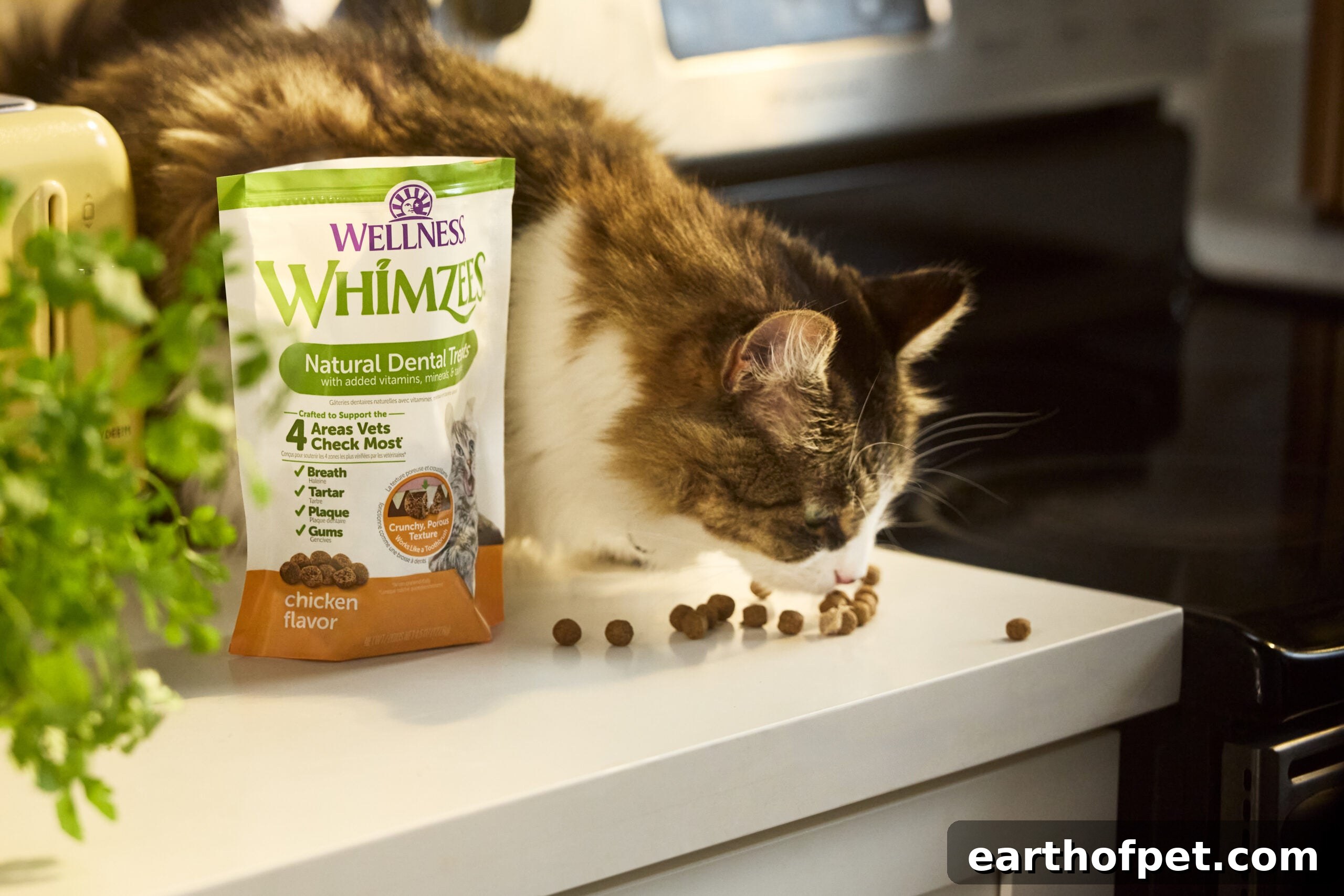
One widely used example is WHIMZEES dental treats, which are designed to:
- Have purposeful shapes that reach between teeth
- Feature textured surfaces that assist in cleaning
- Offer longer chew times for more plaque-scrubbing action
- Use natural ingredients without artificial colors or flavors
Certain WHIMZEES varieties meet standards for plaque and tartar control and can be a useful part of a broader dental routine when used appropriately and under veterinary guidance.
How to Make Dental Care a Habit, Not a Hassle
The real challenge is sustainability. Pets do well with routines; people need simplicity. The most effective pet dental care routine is the one you’ll actually repeat.
Practical Habit Tips
- Pair dental time with an existing routine
Schedule it after dinner, before bed, or right after a walk so it becomes automatic. - Let your pet lead
If brushing causes stress, start with chews or a dental treat. If your pet enjoys chews, you’re already succeeding. - Celebrate small wins
A consistent daily chew or two minutes of attention beats an occasional, intense session that causes resistance.
Small, repeatable steps are what create long-term improvements in oral health.
To Brush or Not to Brush
Brushing remains a gold standard for at-home care when it’s feasible — go slow, use a pet-friendly toothbrush and toothpaste, and keep sessions short and positive. But brushing isn’t the only option. Functional chews, dental powders, and water additives can all contribute meaningfully to plaque control for both cats and dogs.
Think of brushing as a helpful bonus, not an all-or-nothing requirement.
Watch for Warning Signs
Even with good daily habits, watch for signs that warrant veterinary attention:
- Persistent bad breath
- Red, swollen, or bleeding gums
- Difficulty chewing or dropping food
- Pawing at the mouth
- Loose or missing teeth
These signs may indicate periodontal disease, gingivitis, or other dental problems that require professional assessment and treatment. Routine dental checkups at the vet are important companions to at-home care.
Cat Dental Care: Different, Not Optional
Cats often hide discomfort, making dental problems harder to spot. Cat teeth are vulnerable to plaque and tartar just like dogs’, but feline dental care is often overlooked. Cats can benefit from dental treats and products formulated specifically for them, and incorporating short, low-stress dental moments into their routine makes a big difference.
Pet Dental Health Month: A Friendly Reset
If your routine has slipped or never began, Pet Dental Health Month is a low-pressure chance to start again. Forget perfection. Focus on three priorities:
- Daily pet dental care, even if brief
- Tools and products that match your lifestyle
- Options your pet accepts willingly
Two minutes a day can support healthier gums and teeth for both dogs and cats and reduce the need for more intensive veterinary care later — a small investment with a big payoff.
Final Thought: Small Habits, Big Smiles
Effective dental care doesn’t have to be complicated. With the right tools, a realistic mindset, and consistent short habits, pet dental health becomes part of everyday life rather than an occasional scramble. A few minutes, one chew, a repeated habit — your pet’s smile will thank you.
- Two minutes is a guideline, not a strict rule. Some pets are fast and tolerant; others prefer a slow chew-and-relax approach. The goal is to build a habit your pet enjoys, not to race the clock.