Do you want to take your cat on walks but aren’t sure how to teach them to walk on a leash? Cats are very different from dogs: independent, cautious, and often resistant to being told what to do. Still, many cats can learn to enjoy leash walks with the right approach. Successful leash training depends on patience, consistency, and positive reinforcement. Below are practical, safe steps to help your cat become comfortable with a harness, a leash, and the outdoors.
1. Get Your Cat Comfortable with the Leash and Harness
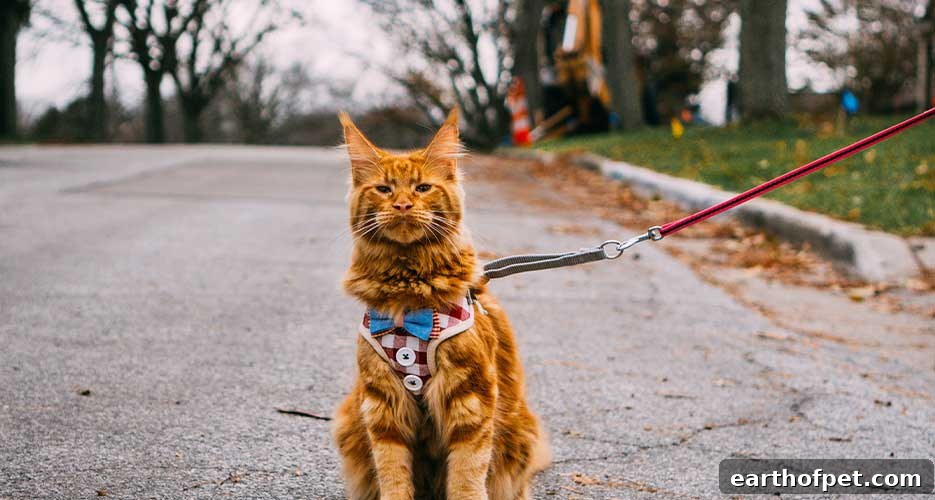
Before attempting any outdoor adventures, your cat must feel relaxed in a harness. Start by letting your cat wear the harness indoors for short periods, gradually increasing the duration as they grow more comfortable. Daily practice helps—some cats adapt in weeks, others in months. Always move at your cat’s pace and avoid forcing the harness on all at once.
Use positive reinforcement: give your cat lots of treats, gentle praise, and affection while they wear the harness. High-value treats work best to create a strong positive association. When your cat is calm and accepting of the harness, attach the leash and allow them to feel its weight while still indoors. Let them drag it briefly under supervision, then pick it up and guide them in short, gentle walks around the house.
2. Get Your Cat Accustomed to Being Outside
If your cat has lived exclusively indoors, the outside world will feel overwhelming at first. Introduce the outdoors gradually: with your cat safely harnessed and leashed, carry them to the doorway and set them down just outside the threshold. This keeps the experience controlled and prevents your cat from bolting through an open door.
Stay close and keep a firm hold on the leash—sudden noises, birds, or unfamiliar people can trigger a fast escape response. Repeat short, calm outdoor sessions until your cat stays relaxed at the doorway, then slowly expand the area. Keep outings short in length and duration at first, and choose quiet times of day when fewer people and animals are present.
3. Train Your Cat to Lead the Way on a Leash
Cats prefer control, so let your cat choose the direction and pace during walks. Follow their lead rather than pulling them along. Allowing your cat to explore boosts their confidence and strengthens trust between you. Carry treats and reward your cat frequently for calm behavior, returning to you, and following gentle guidance.
Gradually increase walk length and explore new, low-stress environments once your cat shows consistent comfort. Use short, encouraging cues and stop if your cat shows signs of stress. Over time, your cat will learn the routine of harnessing, stepping outside, and enjoying safe outdoor exploration.
4. Prepare for Potential Crisis
Outdoors, cats face many potential triggers that can provoke fight, flight, or freeze responses—birds, other cats, dogs, loud noises, and fast-moving objects. If your cat becomes frightened, they may attempt to bolt or defend themselves, and picking them up in that state can result in bites or scratches. Be prepared and prioritize both your safety and your cat’s safety.
Bring a cat carrier on walks so your cat has a secure retreat if they become distressed. Place the carrier on the ground and encourage your cat to enter it calmly. Also use a short, non-retractable leash rather than a long, extendable one. A short leash keeps your cat from getting too far away or leaping into hazardous situations, while giving you better control.
Always plan your route with potential hazards in mind and avoid crowded or noisy areas until your cat is well-adapted to leash walking. Carry basic supplies—treats, water, and a towel or blanket—and keep your phone handy in case you need to return home quickly.
Training a cat to walk on a leash is entirely possible, but it requires time, patience, and consistent positive reinforcement. Work at your cat’s comfort level, reward calm behavior, and gradually expand their experiences. With steady encouragement and safe practices, many cats learn to associate harnesses, leashes, and outdoor walks with enjoyable moments spent with their human.
One of the most important parts of leash training is using treats your cat truly loves. Wellness Pet Food offers a variety of premium cat treats designed to support health and motivate your cat during training.