The Best Rewards for Dogs Who Aren't Food Motivated
As a devoted pet owner, you may have encountered the challenge of training a dog that isn't food motivated. While many dogs respond eagerly to treats, others may be less interested in edible rewards. This can make training seem daunting, but don't worry! There are plenty of effective alternatives that can motivate your furry friend. In this post, we'll explore some of the best rewards for dogs who aren't food motivated, along with practical tips and insights gathered from years of veterinary experience.
Understanding Non-food Motivators
Every dog is unique, and just like us, they have their own preferences. While some dogs may drool at the sight of a treat, others may find more joy in playtime, affection, or even praise. Understanding what motivates your dog is the first step to successful training. Here are some popular non-food rewards:
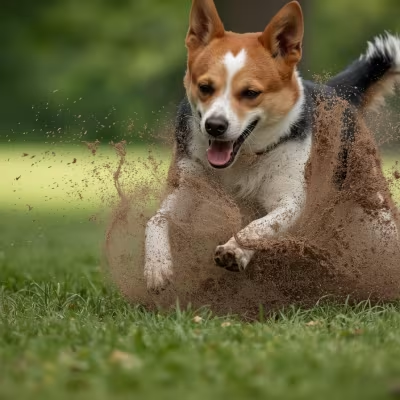
- Playtime: Many dogs are highly motivated by play. A game of fetch, tug-of-war, or even a good chase can be a great reward.
- Affection: Dogs often thrive on human interaction. A good scratch behind the ears, belly rubs, or cuddles can be incredibly rewarding.
- Verbal Praise: Simple phrases like "good boy!" or "well done!" can provide a boost of confidence and positivity for your dog.
- Interactive Toys: Toys that squeak, bounce, or can be filled with treats (even if your dog isn't motivated by food, they may enjoy the toy itself) can serve as great rewards.
- Walks and Outdoor Adventures: Many dogs are excited by the prospect of exploring the great outdoors. A walk or an outing to the park can be a fantastic reward.
How to Determine What Motivates Your Dog
Finding the right reward for your dog requires some observation. Follow these steps to identify what makes your pup perk up:
- Observe their behavior: Pay attention to what excites your dog. Do they get animated when you pick up a specific toy? Do they wag their tail when you grab a leash?
- Experiment with different rewards: Try various non-food rewards to see which ones resonate with your dog. Keep track of their reactions.
- Combine rewards: Sometimes, a mix of rewards works best. For instance, start with a game of fetch and then follow up with affection.
Common Mistakes in Training Non-food Motivated Dogs
Training a dog who isn’t motivated by food can lead to some common pitfalls. Here are a few mistakes to avoid:
- Ignoring their preferences: Not every dog will respond to the same rewards. Tailor your approach based on what your dog enjoys.
- Too much repetition: If you use the same reward too frequently, it may lose its appeal. Keep things fresh by varying the rewards.
- Not being consistent: Consistency in training is key. Use the same commands and reward patterns to avoid confusing your dog.
Pro Tips from Veterinary Experience
Here are some valuable insights based on my years of experience as a veterinarian:
- Practice patience: Training takes time, especially with a non-food motivated dog. Celebrate tiny victories and stay patient.
- Use short training sessions: Keep training sessions short and engaging to prevent your dog from losing interest.
- Incorporate training into daily life: Use everyday activities as training opportunities. For example, reward your dog with praise for sitting before heading out for a walk.
- Stay positive: Dogs are sensitive to your emotions. Maintain a cheerful demeanor to keep your dog engaged and motivated.
When to See a Vet
While most training challenges can be addressed at home, some cases may require professional guidance. Consult your veterinarian if:
- Your dog shows signs of distress or anxiety during training.
- There are significant behavioral issues affecting your dog's quality of life.
- Your dog becomes uninterested in all forms of reward, which may indicate an underlying health issue.
- You have concerns about your dog's overall well-being or behavior changes.
Faqs
1. Can I Use Both Food and Non-food Rewards in Training?
Absolutely! Many trainers find that a combination of both types of rewards can be very effective. Start with what your dog responds to best and then introduce other forms of rewards as they progress.
2. How do I Know if My Dog is Bored with a Reward?
If your dog consistently ignores a reward they previously enjoyed, it may be time to switch things up. Look for signs of disinterest, such as a lack of enthusiasm or not engaging with the reward.
3. What if My Dog Doesn’t Respond to Any Rewards?
If your dog is not responding to any rewards, it may be a sign of an underlying issue. Consult your veterinarian to rule out any health concerns and consider working with a professional trainer for tailored guidance.
4. Can I Train My Dog Without Using Any Rewards?
While it is possible to train without rewards, it is generally less effective. Positive reinforcement is key to helping dogs learn and retain commands. Using rewards, whether food or non-food, can significantly enhance the training process.
Conclusion
Training a dog who isn't food motivated can indeed be a rewarding journey, both for you and your furry companion. By understanding your dog's unique preferences and utilizing effective non-food rewards, you can create a positive training experience that strengthens your bond. Remember to be patient, consistent, and observant as you work together to achieve your training goals. If you ever find yourself facing challenges, don’t hesitate to seek the advice of a professional veterinarian or trainer. Happy training!




0 Comments
No comments yet. Be the first to share your thoughts!
Leave a Comment