Teaching Your Dog to Wait for Their Food Bowl
As pet owners, we frequently find ourselves enchanted by our furry companions. Their loyalty, playfulness, and unique personalities bring joy to our lives. However, training them to exhibit good manners, especially during meal times, can be a challenge. One important skill every dog should learn is waiting patiently for their food bowl. This not only promotes good behavior but also reinforces their ability to self-control. In this guide, we will walk you through effective techniques to teach your dog to wait for their food bowl, ensuring a harmonious meal time for both you and your pet.
The Importance of Teaching Your Dog to Wait
Teaching your dog to wait for their food bowl is essential for several reasons:
- Promotes Patience: Waiting for food helps your dog develop self-control.
- Reduces Anxiety: Dogs that are taught to wait are often calmer during meal times.
- Enhances Bonding: Training sessions strengthen the bond between you and your dog.
- Prevents Resource Guarding: Teaching your dog to wait can reduce the likelihood of food aggression.
Step-by-Step Guide to Teaching Your Dog to Wait
Now that we understand the importance of this skill, let’s dive into the step-by-step process of teaching your dog to wait for their food bowl.
Step 1: Choose the Right Setting
Start in a quiet, distraction-free area where your dog feels comfortable. A familiar space helps them focus on you and the training process.
Step 2: Gather Your Supplies
You'll need:
- Your dog's food bowl
- Dog food or treats
- A clicker (optional, if you're using clicker training)
Step 3: Introduce the Command
Begin by showing your dog the food bowl, and then give a command, such as “wait” or “stay.” You might want to use a hand signal alongside the verbal cue to reinforce the command.
Step 4: Start with Short Wait Times
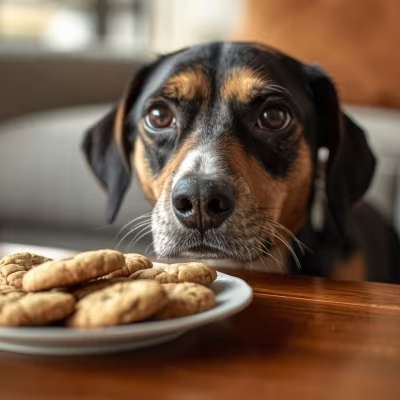
Initially, place the food bowl down but do not let your dog eat just yet. Wait for a few seconds and then reward them with praise or a treat if they remain calm. Gradually increase the wait time as your dog becomes more accustomed to the command.
Step 5: Use Positive Reinforcement
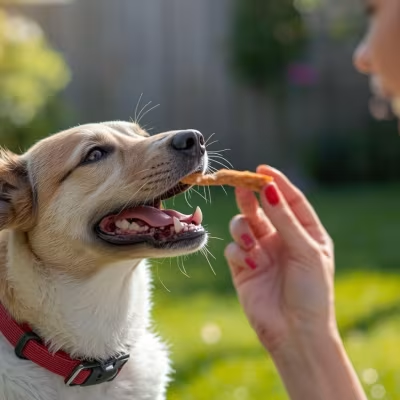
Each time your dog successfully waits, immediately reward them with their food or a treat. Consistent rewards during training help reinforce the desired behavior.
Step 6: Gradually Increase Difficulty
As your dog learns to wait, increase the challenge by moving the food bowl further away or by standing up and stepping back, so they have to focus on waiting rather than just being near you.
Step 7: Practice Regularly
Consistency is key. Practice this training exercise several times a week, gradually increasing the difficulty each time. Keep sessions short and positive to avoid frustration.
Common Mistakes to Avoid
Training your dog to wait for their food bowl can be a rewarding experience, but there are common pitfalls to watch for:
- Inconsistent Commands: Always use the same command to avoid confusing your dog.
- Overly Long Wait Times: If your dog is struggling, shorten the wait time to keep them motivated.
- Neglecting Positive Reinforcement: Never forget to reward your dog for good behavior—this is crucial for successful training.
- Rushing the Process: Patience is vital. Each dog learns at their own pace; don't rush the training.
Pro Tips from Veterinary Experience
Drawing from my 15 years of experience as a veterinarian, here are some pro tips to enhance your training:
- Use Meal Times Wisely: Incorporate the training into regular feeding times to reinforce the behavior naturally.
- Stay Calm: Your dog can sense your emotions. Staying calm and positive will help keep your dog relaxed during training.
- Incorporate Play: If your dog is motivated by toys, use them as an additional reward to make training more engaging.
- Be Patient: Some breeds may take longer to learn than others. Tailor your training approach to your dog's individual temperament.
When to See a Vet
While training your dog to wait for their food bowl is typically straightforward, there are times when you may need to consult a veterinarian:
- Behavioral Issues: If your dog exhibits signs of aggression or extreme anxiety around food, it may be necessary to seek professional help.
- Health Concerns: If your dog refuses to eat or shows a sudden change in appetite, consult your vet to rule out any underlying health issues.
- Persistent Training Challenges: If your dog is not responding to training despite consistent efforts, a vet can provide guidance or refer you to a qualified dog trainer.
Frequently Asked Questions (FAQ)
1. How long does it take for my dog to learn to wait for their food bowl?
Every dog is different, so the time it takes can range from a few days to several weeks. Consistency and patience are key.
2. What if my dog won’t stop jumping or barking while waiting?
Redirect their attention with a toy or treat, and reinforce calm behavior. Training in a quiet space can also help minimize distractions.
3. Can I use a bowl with a lid to help my dog learn to wait?
Using a bowl with a lid can be helpful as it adds an extra layer of control. Just ensure that your dog understands the command before introducing the lid.
4. Is it safe for my dog to wait before eating?
Yes, waiting before eating is safe and can be beneficial for their behavior. However, ensure that the wait time is reasonable and does not cause stress.
Conclusion
Teaching your dog to wait for their food bowl is a rewarding endeavor that promotes patience and good behavior. With the right approach and consistent practice, you can cultivate a positive meal time experience for both you and your furry friend. Remember to remain patient, use positive reinforcement, and consult your veterinarian if you encounter any challenges. Happy training!


0 Comments
No comments yet. Be the first to share your thoughts!
Leave a Comment