Teaching Your Dog to Spin in Circles: A Fun Trick for Every Pup!
Hello, fellow pet parents! Dr. Edward Hale here, your trusted veterinarian with over 15 years of experience in pet care and animal behavior. Today, I'm thrilled to dive into a topic that combines mental enrichment, physical activity, and pure joy: teaching your dog to spin in circles. This isn't just a party trick; it's a fantastic way to strengthen your bond, boost your dog's confidence, and provide valuable mental stimulation. Whether you have a playful puppy or a wise senior, learning this easy and engaging trick can add a spark to their day and yours.
From my clinical experience, I've seen firsthand the incredible positive impact that consistent, positive-reinforcement training has on a dog's overall well-being. It’s not just about obedience; it's about communication, trust, and ensuring your furry friend leads a happy, enriched life. So, let's unlock the secrets to teaching your dog this delightful spin!
Why Teach Your Dog to Spin? More Than Just a Trick!
You might be thinking, "A spin? Is that really that important?" And my answer, unequivocally, is yes! Beyond the entertainment value, there are numerous profound benefits to engaging your dog in learning new skills, especially fun ones like spinning. It’s an investment in their happiness and health.
- Mental Stimulation: Just like humans, dogs thrive on mental challenges. Learning new commands keeps their brains active and engaged, preventing boredom and potential behavioral issues that can arise from under-stimulation. This is particularly beneficial for high-energy breeds or intelligent dogs who need an outlet for their smarts. It’s also excellent for senior dogs, helping to maintain cognitive function.
- Physical Awareness and Gentle Exercise: While not a strenuous workout, spinning encourages your dog to use their body in a coordinated way, improving their proprioception (awareness of their body in space). For older dogs or those with mild mobility issues, gentle spins can be a low-impact way to keep moving without putting undue stress on their joints.
- Strengthens Your Bond: Training sessions are prime opportunities for positive interaction. When you work together, communicate effectively, and celebrate successes with praise and treats, you build a deeper, more trusting relationship with your dog. They learn to look to you for guidance and positive experiences.
- Boosts Confidence: Mastering a new skill, no matter how simple, is a huge confidence booster for dogs. The praise and rewards they receive for performing the trick correctly reinforce their self-esteem and make them more eager to learn new things. This is especially helpful for shy or anxious dogs.
- Foundation for Other Tricks: The luring and shaping techniques used to teach a spin are fundamental to many other dog tricks, from bowing to dancing. Once your dog understands the concept of following a lure and responding to a cue, learning subsequent tricks becomes much easier. It's truly one of the benefits of teaching your dog new tricks that sets the stage for more advanced fun.
Before we jump into the steps, ensure you have a quiet, distraction-free space to work in, and plenty of high-value treats that your dog absolutely loves. A clicker can be a fantastic tool for precise timing, but it's not strictly necessary. Your voice and enthusiasm are powerful motivators!
Step-by-Step Guide: How to Teach Your Dog to Spin on Command
Teaching your dog to spin is one of the most straightforward and rewarding tricks you can tackle. It leverages their natural curiosity and desire for tasty rewards. We’ll break it down into manageable phases, ensuring success at every turn.
Phase 1: The Lure – Guiding the Movement
This is where the magic begins. We’ll use a treat to physically guide your dog through the spinning motion.
- Get Ready: Have your high-value treats ready and broken into small, pea-sized pieces. Stand or kneel in front of your dog in a quiet area. Make sure your dog is attentive and ready to engage.
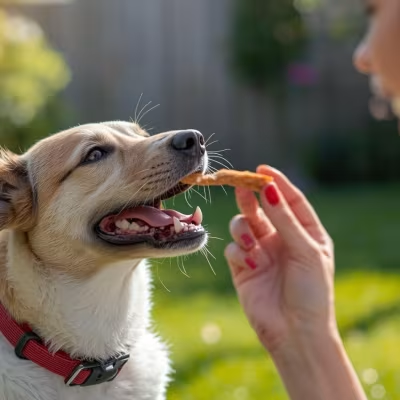
- The Lure: Hold a treat close to your dog’s nose. Slowly move your hand, with the treat, in a complete circle around their head. Your goal is to get their nose to follow the treat, which will naturally cause their body to turn.
- Mark and Reward: The instant your dog completes a full 360-degree circle (even if it's a bit clumsy at first), say a cheerful "Yes!" or click your clicker, and immediately give them the treat. The timing here is crucial – you want them to associate the spinning motion with the reward.
- Repeat, Repeat, Repeat: Practice this step several times in short sessions (2-5 minutes). Keep it fun and upbeat. If your dog isn't following the treat, try a different, higher-value treat or practice in an even quieter environment. The goal here is fluid movement.
Phase 2: Adding the Verbal Cue
Once your dog is reliably following the lure to complete a spin, it’s time to introduce the verbal command.
- Pair the Cue: As you begin to move the treat in a circle, say your chosen command clearly – "Spin!", "Twirl!", or "Turn around!" – just once. Then, continue with the lure, mark, and reward as before.
- Consistency is Key: Always say the cue before the action. This helps your dog associate the word with the physical movement.
- Fade the Lure: After several repetitions of pairing the cue with the lure, start to make the lure gesture smaller. Instead of a full treat in your hand, you might just use your empty hand making the circular motion, still saying the cue, and then reward with a treat from your other hand. Gradually, your dog should start to spin with just the verbal cue and a much smaller hand signal. This is a crucial step in how to teach your dog to spin on command effectively.
Phase 3: Introducing a Hand Signal (Optional but Recommended)
Many dogs respond well to visual cues. Adding a hand signal can be very useful for distance work or if your dog has hearing loss.
- Pair Hand Signal and Verbal Cue: Choose a distinct hand signal (e.g., twirling your finger in a circle). Start by giving the verbal cue ("Spin!"), immediately followed by your hand signal, and then subtly lure if needed. Mark and reward.
- Practice Both: Practice using both the verbal cue and the hand signal together until your dog is consistent.
- Fade Verbal Cue: Once your dog reliably spins with both, try giving just the hand signal. If they spin, great! Reward. If not, go back to using both cues together a few more times before trying again.
Phase 4: Directional Spin (Advanced)
Once your dog has mastered spinning in one direction, you can teach them to spin the other way, and eventually distinguish between "Spin Left" and "Spin Right."
- Start Fresh for the Other Direction: Treat this as a brand-new trick. Use the lure method, but guide your dog in the opposite direction.
- Use a Different Cue: To avoid confusion, choose a distinct verbal cue (e.g., "Other Way!", "Reverse!", or if they already know "Spin", use "Spin Right" and "Spin Left"). You'll also likely use a different hand signal.
- Practice Separately: Practice the new direction exclusively for a few sessions until your dog is comfortable. Then, you can start alternating between the two directions, always being clear with your cues. This is an excellent exercise in mental agility and distinguishing commands, making this one of the more advanced easy dog tricks for beginners to build upon.
Common Mistakes to Avoid When Teaching Your Dog to Spin
Even with a straightforward trick like spinning, there are common pitfalls that can slow down progress or create frustration. As Dr. Hale, I've seen these issues repeatedly in clients’ training journeys, and knowing them beforehand can save you a lot of headache.
- Rushing the Process: Patience is your greatest ally. Trying to move too quickly from luring to verbal cues, or expecting perfection too soon, will only confuse your dog. Break down the steps, celebrate small successes, and allow your dog to learn at their own pace.
- Inconsistent Cues and Rewards: If one day you say "Spin," and the next you say "Twirl," your dog won't know what you want. Stick to one clear verbal cue and one consistent hand signal. Similarly, inconsistent rewards (sometimes a treat, sometimes not) can diminish motivation.
- Long Training Sessions: Dogs, especially puppies, have short attention spans. Keep sessions brief – 2 to 5 minutes at most, several times a day is far more effective than one long, tedious session. End on a positive note, even if it means asking for an easy, known trick.
- Low-Value Treats: If your dog isn't motivated by the treats you're offering, they won't be as eager to participate. Experiment with different high-value treats like small pieces of cheese, cooked chicken, or specialized training treats.
- Getting Frustrated: Your dog can sense your emotions. If you become frustrated or angry, training will become a negative experience for them, making them less likely to want to learn. Always maintain a positive, encouraging attitude. Remember, it's about building a bond, not just teaching a trick. This is a critical point when discussing common dog training mistakes.
- Not Fading the Lure: Many owners get stuck with always needing to physically lure their dog with a treat. Remember to gradually make your lure smaller and eventually just a subtle hand signal or simply the verbal cue. The goal is for your dog to perform the trick on command, not just follow a treat.
- Practicing in Distracting Environments Too Soon: Start in a quiet, familiar space where your dog can focus solely on you. Once they've mastered the trick, then gradually introduce distractions to help generalize the behavior.
Pro Tips from Dr. Edward Hale: A Vet's Perspective on Training
My work isn't just about treating illnesses; it's about promoting overall health and happiness, which includes enriching their lives through positive training. Here are some insights from my years of clinical experience that can make your training journey even more successful and safe:
- Know Your Dog's Limits: Every dog is an individual. A high-energy Border Collie might breeze through spins for longer sessions, while a senior Pug might tire quickly or require gentler movements due to potential joint issues. Always observe your dog's body language. Signs of fatigue, disinterest, or pain (lip licking, yawning, stiff movements, reluctance) mean it's time for a break or to stop the session entirely. This is crucial for safe dog training tips for senior dogs and those with pre-existing conditions.
- Consider Physical Health: For older dogs or those with known orthopedic issues (like arthritis or hip dysplasia), ensure the spinning motion is smooth and doesn't cause discomfort. A gentle spin on a carpeted surface is preferable to slippery hardwood floors. If you notice any limping, stiffness, or reluctance that seems pain-related, pause training and consult your veterinarian.
- Treats and Weight Management: While treats are essential for positive reinforcement, they also contribute to your dog's caloric intake. Choose healthy, low-calorie treats, or factor the treats into their daily meal portion to prevent unwanted weight gain. Obesity can exacerbate joint problems and lead to other health issues, so vigilance is key.
- Mental Health and Enrichment: Remember that tricks are just one aspect of a well-rounded enrichment plan. Alongside training, ensure your dog gets appropriate physical exercise, opportunities for sniffing and exploration, puzzle toys, and social interaction. A dog with a rich, balanced life is generally happier and more receptive to learning.
- Safety First: Always train in a clear, open space free of obstacles. You don't want your dog bumping into furniture or slipping on rugs during their enthusiastic spins. Ensure children understand not to interrupt training sessions or get in the way.
- The Power of Play: Sometimes, incorporating a favorite toy into a training session, especially as a reward, can be highly motivating. If your dog loves to fetch, a quick toss after a perfect spin can be just as reinforcing as a treat.
When to See a Vet: Prioritizing Your Pet's Health
While teaching your dog to spin is generally a safe and fun activity, it’s important to be vigilant for any signs that something might be amiss. As a veterinarian, my primary concern is always your pet's well-being. If you notice any of the following during or after training, it’s time to consult your vet:
- Reluctance or Pain: If your dog suddenly becomes unwilling to spin, or shows signs of discomfort, limping, stiffness, or crying out during the motion, stop immediately. This could indicate an underlying orthopedic issue or injury that needs professional attention.
- Loss of Balance or Dizziness: While a little wobbling is normal when learning, persistent unsteadiness, head tilting, or apparent dizziness that is not related to learning a new movement, could be a symptom of an ear infection, vestibular disease, or other neurological issues. This is a serious dog health concern during training and should be checked.
- Excessive Panting or Lethargy: If your dog becomes overly tired, pants excessively, or seems lethargic during short, easy training sessions, it might indicate an underlying cardiovascular or respiratory issue, especially in brachycephalic (flat-faced) breeds or older dogs.
- Behavioral Changes: Any sudden changes in your dog's overall behavior, appetite, or energy levels that coincide with training should be discussed with your vet.
Never hesitate to reach out to your veterinarian if you have any concerns. We are here to help ensure your dog enjoys a long, healthy, and happy life, full of fun tricks and loving moments.
Frequently Asked Questions About Teaching Your Dog to Spin
How long does it typically take to teach a dog to spin?
The time it takes can vary widely depending on your dog's individual learning style, your consistency, and the frequency of your training sessions. Some dogs can pick up the basic lure-and-reward spin in just a few short sessions over a day or two, while others might take a week or two to reliably respond to a verbal cue. Remember, patience and positive reinforcement are key!
My dog only spins in one direction. How do I teach them to spin the other way?
This is very common! Dogs often develop a preference. To teach the other direction, treat it as a completely new trick. Start from scratch with luring in the opposite direction, and crucially, use a different verbal cue (e.g., "Spin Right" vs. "Spin Left") and a distinct hand signal to help them differentiate the commands. Practice the new direction exclusively for a few sessions before trying to alternate.
What if my dog isn't interested in the treats I'm using?
Treat motivation is vital for this trick. If your dog isn't interested, first, ensure they're not full from a recent meal. Then, experiment with different types of high-value treats. Small pieces of cooked chicken, cheese, hot dogs, or liverwurst are often highly appealing. You can also try using a favorite squeaky toy or a quick game of tug as a reward if your dog is toy-motivated rather than food-motivated.
Can I teach a puppy to spin?
Absolutely! Puppies are often quick learners and love engaging with their humans. Start with very short, positive sessions (1-2 minutes) to keep them engaged and prevent overstimulation. Focus on making it a fun, positive experience, which will help build a strong foundation for future training and your bond together.
Conclusion: A Journey of Fun and Connection
Teaching your dog to spin in circles is far more than just teaching a cute trick. It's an opportunity for connection, mental enrichment, and building confidence in your beloved companion. As Dr. Hale, I've seen how these simple, positive interactions translate into happier, more well-adjusted dogs and stronger, more joyful relationships between pets and their families.
Remember to keep your training sessions positive, short, and fun. Be patient, be consistent, and always celebrate every little success. The journey of learning together is a precious one, and watching your dog master a new skill is incredibly rewarding. So grab those treats, find a clear spot, and enjoy the delightful dance of teaching your dog to spin!


0 Comments
No comments yet. Be the first to share your thoughts!
Leave a Comment