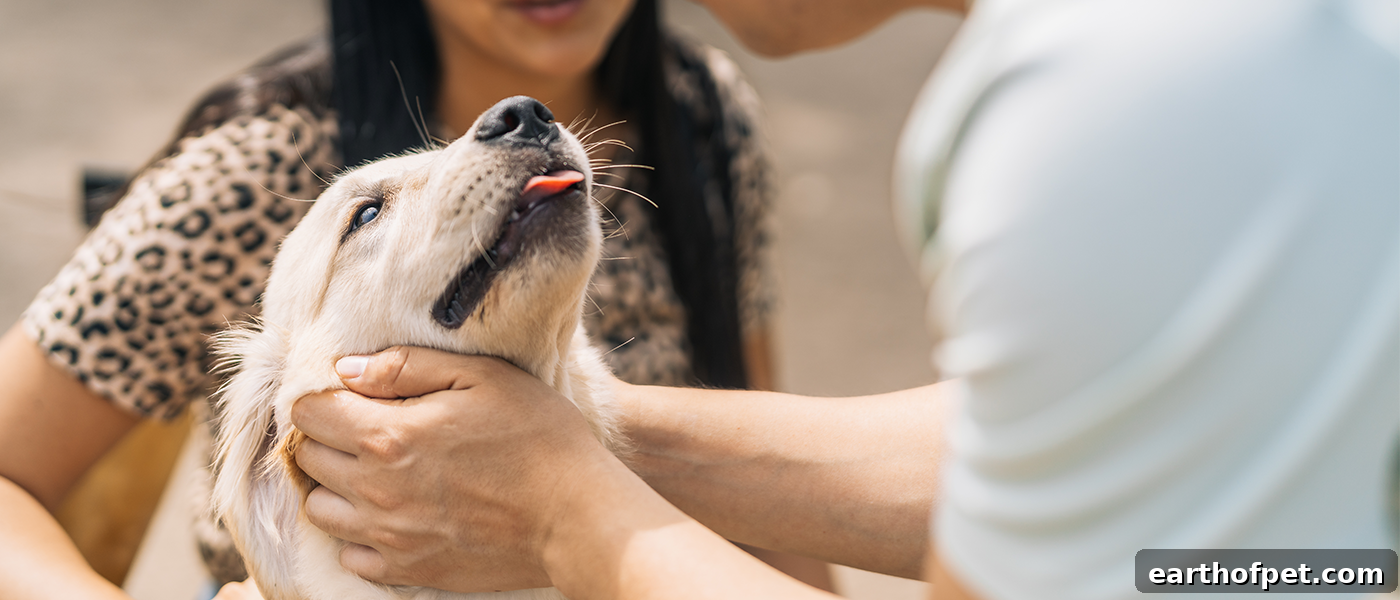
Bad dog breath is unpleasant and often embarrassing for pet owners, especially when your dog greets you with kisses. Many people assume that halitosis is simply part of dog ownership, but persistent bad dog breath can signal underlying health issues such as dental disease, diabetes, or kidney and liver disorders. Recognizing the cause and taking consistent steps can both improve your dog’s breath and protect their overall health.
Below are five practical, veterinarian-recommended strategies to get rid of bad dog breath and help maintain strong dental health for your dog. Each tip includes straightforward actions you can take at home and what to expect from professional care.
1. Take Your Dog to the Veterinarian Annually
The most common cause of bad dog breath is oral disease. A yearly veterinary exam lets your veterinarian inspect your dog’s mouth, identify early signs of periodontal disease, gingivitis, broken teeth, infections, or other issues that contribute to bad breath. If dental disease is found, a professional dental cleaning under anesthesia may be recommended. During that procedure the vet will remove plaque and tartar, treat infections, and extract teeth that are loose or severely damaged. Professional care often provides immediate improvement in breath and reduces harmful bacteria that can affect other organs.
2. Keep Their Mouth Clean — Brushing
Brushing your dog’s teeth regularly is the most effective way to control plaque and tartar buildup. Using a toothbrush and toothpaste formulated specifically for dogs (never use human toothpaste), aim for routine brushing as often as possible—daily is ideal but even several times per week will help. Begin slowly to make brushing a calm, positive experience: let your dog taste the toothpaste, gently lift their lips to expose the teeth, and brush in short sessions focusing on the outer surfaces where plaque accumulates. Consistent brushing removes food debris and bacteria, helping to freshen breath and protect gums.
3. Keep Their Mouth Clean — Dental Chews and Toys
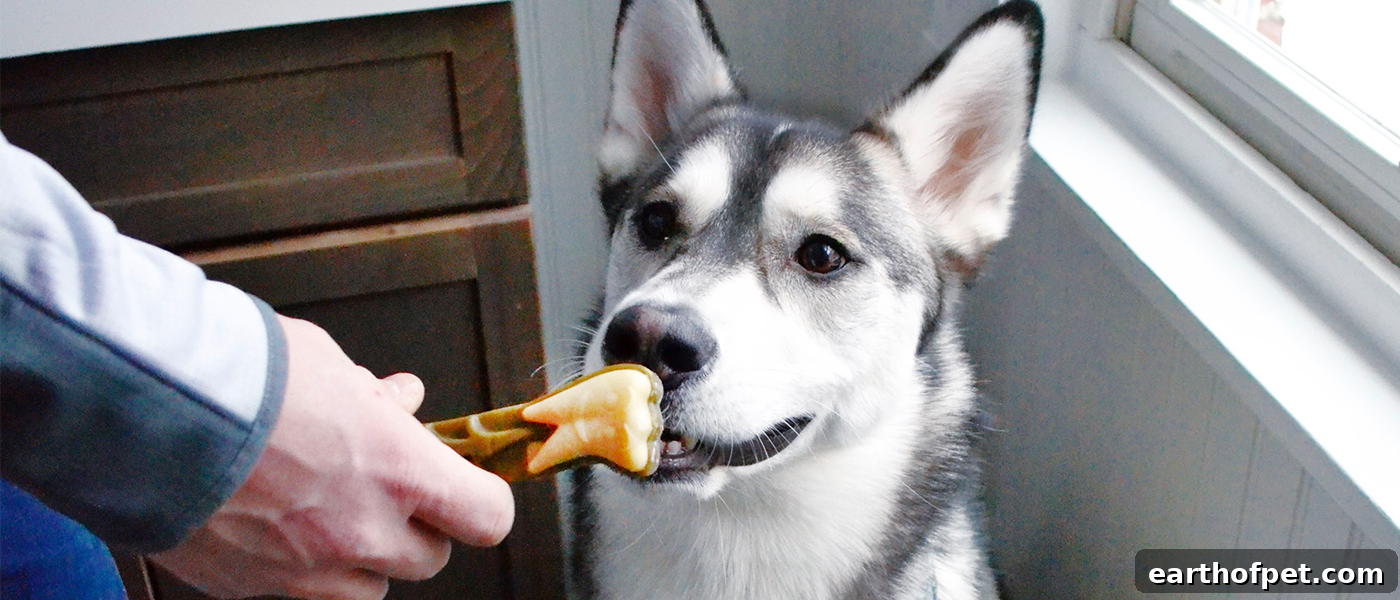
If brushing is difficult for you or stressful for your dog, chewable dental products can be a useful supplement. Purpose-built dental chews and textured chew toys work by mechanically scrubbing tooth surfaces as the dog chews, helping to reduce plaque and stimulate saliva flow. Look for products with veterinary recommendations or scientific testing and follow size and safety guidelines for your dog’s breed and chewing strength. Treats with ridges, grooves, and nubs reach the back teeth more effectively than smooth treats. Chews should complement, not replace, professional care and regular brushing when possible.
4. Monitor What They Eat and Drink
Diet and scavenging behavior can heavily influence breath odor. Prevent your dog from eating spoiled food, garbage, feces, or other foul-smelling items by supervising outdoor time, keeping yards clean, and using secure bins during walks. Feed a balanced diet appropriate for your dog’s age and health, provide fresh water at all times, and avoid table scraps that can contribute to oral decay. If your dog frequently consumes non-food items, discuss behavior and appetite concerns with your veterinarian, since pica or changes in eating habits can indicate medical problems.
5. Keep Them Healthy with Good Daily Care
Overall health affects oral health. Regular exercise, a nutritious, balanced diet, proper hydration, and routine veterinary visits help prevent diseases that can cause bad breath. Maintain preventive care such as parasite control and vaccinations, and schedule annual wellness checks so your veterinarian can screen for metabolic conditions (like diabetes) or organ problems that may present with halitosis. Early detection often makes treatment simpler and more effective.
In summary, freshening your dog’s breath requires a combination of professional veterinary care, daily at-home hygiene, appropriate dental chews or toys, and good nutrition and supervision. If bad breath persists despite consistent home care, book a veterinary appointment to rule out underlying medical causes. With the right routine and timely veterinary attention, you can significantly reduce bad dog breath and help your dog stay healthier and more comfortable.