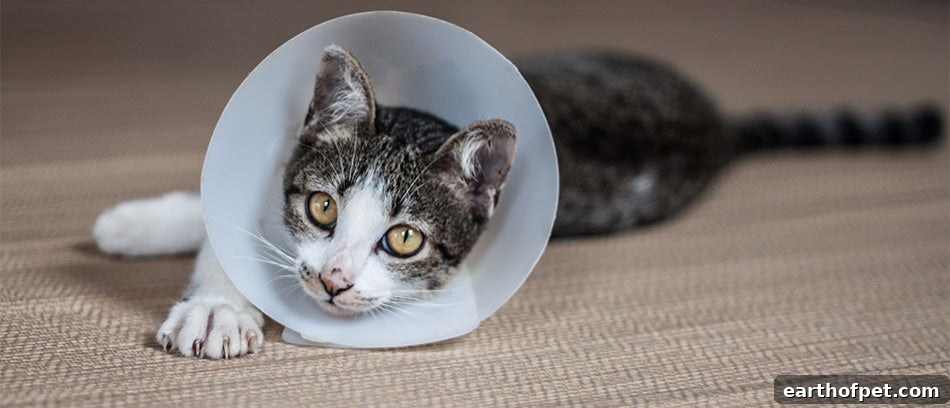
There are many important benefits to having your pets spayed or neutered. Beyond the advantages for the individual animal, spay and neuter procedures are a core part of responsible pet ownership. Shelters routinely require animals to be altered before adoption because these procedures improve health, reduce problematic behaviors, and help prevent the births of unwanted litters. Below we outline the main reasons spaying and neutering is beneficial for pets, owners, and communities.
The Health Benefits of Spaying & Neutering
It may seem counterintuitive that surgery can improve long-term health, but spay and neuter procedures are typically performed using minimally invasive techniques and modern pain management. The long-term health advantages generally outweigh the short, controlled risks of the operation. Key health benefits include:
Lower Risk of Reproductive Cancers and Infections: Spaying reduces risks of uterine infections (such as pyometra) and can lower the likelihood of mammary tumors when performed before a female’s first heat. Neutering eliminates the risk of testicular cancer in males and reduces hormone-driven reproductive diseases.
Fewer Hormone-Related Illnesses: Removing the primary sources of reproductive hormones can prevent or reduce certain hormone-driven conditions, improving your pet’s overall well-being.
Improved Longevity and Quality of Life: Altered pets often live longer, healthier lives because they are less likely to develop some serious reproductive illnesses and are less exposed to dangers associated with roaming and aggressive encounters.
Safer, Controlled Recovery: Most pets recover quickly and fully with proper post-operative care. Veterinarians provide guidance on wound care, restricted activity, and pain control to ensure a smooth recovery.
Behavioral Benefits of Spaying & Neutering
Spaying and neutering frequently improve behavior by reducing hormonally driven impulses. While no procedure guarantees perfect behavior, many common issues become easier to manage after alteration:
Reduced Aggression: Intact animals, particularly males, can display increased aggression linked to sex hormones. Neutering often decreases these tendencies, lowering the risk of fights and bites.
Less Marking and Spraying: Male cats and dogs may spray or mark territory to attract mates. Neutering typically reduces or eliminates this behavior, leading to a cleaner home environment and fewer odor issues.
Decreased Roaming and Escape Attempts: Animals in heat or searching for a mate often try to escape, which exposes them to traffic, fights, and other hazards. Spaying and neutering usually reduce this instinct, keeping pets safer and giving owners greater peace of mind.
Simpler Training and Socialization: With fewer hormone-driven distractions, many pets are easier to train and socialize. This makes participation in classes, walks, and family life more enjoyable for everyone.
Helping to Solve Pet Overpopulation
One of the most compelling reasons to spay or neuter is preventing unwanted litters. Overpopulation leads to more animals in shelters and on the streets, increasing the number of homeless pets and the strain on rescue resources. By having pets altered, owners directly reduce the number of animals entering the stray population and shelters.
Fewer stray and shelter animals also means fewer animals facing neglect, abusive re-homing, or euthanasia due to lack of space and resources. Preventing unplanned litters helps ensure that pets are placed in stable, loving homes and reduces the risk that animals end up in unsafe situations.
Responsible spay and neuter practices are a community-minded approach: they lower shelter intake, reduce municipal costs for animal control, and contribute to healthier neighborhoods where fewer animals suffer from the dangers of living outdoors.
The Wellness Foundation Mission
Spaying and neutering align with the mission of the Wellness Foundation to create better lives for pets. The Foundation partners with leading animal welfare organizations to support rescue efforts, provide nutritious food, and assist pets transitioning to forever homes. Through these partnerships the Foundation helps ensure that animals in rescue receive proper nutrition and care and that new pet owners start off on the right foot.
As part of this commitment, the Foundation supports programs that promote spay and neuter services and helps pet owners access resources for affordable veterinary care. Choosing to spay or neuter your pet is a practical step that contributes to individual animal health and to broader community welfare. Consult your veterinarian to determine the best timing and approach for your pet, and consider local clinics and nonprofit programs that help make these surgeries accessible.