Introduction
As a loving pet owner, you strive to provide the best for your furry friend. However, one unsettling behavior that many dog owners face is coprophagia, or the act of dogs eating poop. This habit can be distressing, not only for you but also for your dog’s health. Understanding this behavior and taking steps to mitigate it is essential for your pet's well-being. In this comprehensive guide, we will explore easy ways to stop your dog from eating poop, the reasons behind this behavior, and practical solutions you can implement.
Understanding Coprophagia
Before we dive into solutions, it’s important to understand why some dogs engage in this behavior. Here are several potential reasons:
- Instinctual Behavior: In the wild, dogs may eat feces to keep their dens clean and avoid attracting predators.
- Nutritional Deficiencies: A dog might eat feces if they lack certain nutrients in their diet.
- Curiosity: Puppies, in particular, are known for their exploratory behavior, which sometimes leads them to taste everything, including poop.
- Attention-Seeking: If a dog receives a strong reaction from their owner after eating poop, they may continue the behavior to gain attention.
- Stress or Anxiety: Dogs may develop this habit as a coping mechanism for stress or anxiety.
Simple Ways to Stop Your Dog from Eating Poop
Now that we understand the reasons behind this behavior, let’s explore some practical steps you can take to stop your dog from eating poop. Here are some effective strategies:
1. Clean Up Immediately
The simplest way to prevent your dog from eating poop is to clean up after them promptly. This reduces the opportunity for them to indulge in this behavior. Make it a habit to take your dog out for walks or to designated potty areas and clean up right away.
2. Supervise Outdoor Time
When your dog is outside, always supervise them. If you catch them in the act, redirect their attention with a toy or a game, and reward them for positive behavior. This can help them associate outdoor time with play rather than scavenging.
3. Provide a Balanced Diet
Ensure your dog is receiving a well-balanced and nutritious diet. Consult your veterinarian to discuss any possible deficiencies and find the right food for your dog’s age, size, and activity level. If a dog is getting all the nutrients they need, they are less likely to eat feces.
4. Use Deterrents
Consider using commercial products designed to deter dogs from eating poop. These products often contain ingredients that make poop taste unpleasant to dogs. Always consult with your veterinarian before trying these products to ensure their safety for your pet.
5. Train ‘Leave It’ Command
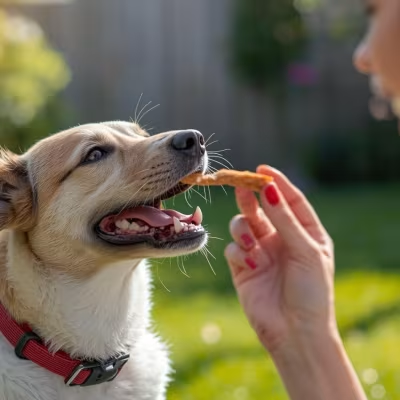
Training your dog to respond to commands is an effective way to control their behavior. Teaching them the "leave it" command can be essential in stopping them from eating poop. Here’s a simple step-by-step guide:
- Start by holding a treat in your hand, and let your dog sniff it.
- Close your fist around the treat and say "leave it."
- When your dog stops trying to get the treat, give them a different treat from your other hand.
- Repeat this until your dog reliably leaves the treat alone on command.
- Practice this command in various situations, gradually introducing distractions.
6. Increase Exercise and Mental Stimulation
Sometimes, a lack of physical and mental stimulation can lead to unwanted behaviors. Make sure your dog is getting plenty of exercise through walks, playtime, and interactive toys. Engaging their mind can reduce the likelihood of them resorting to eating poop due to boredom.
7. Consider Behavioral Therapy
If your dog continues to eat poop despite your best efforts, it may be beneficial to consult a professional dog trainer or a veterinary behaviorist. They can provide tailored strategies and support to help modify your dog’s behavior.
Common Mistakes Pet Owners Make
While trying to stop your dog from eating poop, it's easy to make a few missteps. Here are some common mistakes to avoid:
- Overreacting: Yelling or punishing your dog for this behavior can lead to anxiety and may exacerbate the problem.
- Neglecting to Clean Up: Failing to clean up after your dog can give them the opportunity to eat poop whenever they want.
- Ignoring Other Health Issues: Sometimes, coprophagia can be a sign of underlying health issues. Always consult your veterinarian if you notice any changes in your dog’s behavior.
Pro Tips from Veterinary Experience
Drawing from my 15 years as a veterinarian, here are some pro tips to help you effectively manage your dog's coprophagia:
- Use Positive Reinforcement: Reward your dog with treats and praise when they choose to leave poop alone instead of eating it. This creates a positive association.
- Keep a Consistent Routine: Dogs thrive on routine. Establish regular feeding and potty schedules to create predictability.
- Check for Health Issues: Regular veterinary check-ups can help catch any underlying health problems that may contribute to coprophagia.
When to See a Vet
While coprophagia may seem like a behavioral issue, it can sometimes indicate underlying health concerns. Here are some signs that warrant a visit to your veterinarian:
- Your dog is eating poop excessively and seems to be losing weight.
- There are changes in your dog's appetite or energy levels.
- Your dog has gastrointestinal symptoms such as vomiting or diarrhea.
- There are changes in your dog's behavior, such as increased anxiety or aggression.
FAQ
1. Is coprophagia dangerous for my dog?
Coprophagia can pose health risks, including exposure to parasites and bacteria found in feces. If your dog is eating poop, it’s essential to address the behavior and consult your veterinarian if you have concerns.
2. Can my dog develop a taste for their own poop?
Yes, some dogs may develop a habit of eating their own feces, especially if they are left in the yard for extended periods. Prompt clean-up can help prevent this behavior.
3. Will punishment stop my dog from eating poop?
Punishment is generally not effective and can create fear or anxiety around potty habits. It's better to focus on training and positive reinforcement.
4. Can certain breeds be more prone to coprophagia?
While coprophagia can occur in any breed, some dogs, particularly those with strong prey drives or those that are more food-focused, may be more prone to this behavior.
Conclusion
Stopping your dog from eating poop may require patience and consistency, but with the right approach, it is possible. By understanding the underlying reasons for this behavior and implementing the practical strategies outlined above, you can help your dog develop healthier habits. Always prioritize your pet's health and well-being, and consult your veterinarian if you have any concerns. With love, attention, and the right training, you and your furry friend can overcome this challenge together.

0 Comments
No comments yet. Be the first to share your thoughts!
Leave a Comment