How Customized Nutrition Can Support Your Dog’s Wellbeing
Senior dogs bring loyalty, affection, and years of companionship to a home. As they grow older, their needs change—physically, mentally, and nutritionally. Offering age-appropriate nutrition, attentive care, and routine veterinary check-ups helps maintain quality of life and supports healthy ageing. Tailored feeding strategies can preserve mobility, boost immune function, manage weight, and keep mealtimes enjoyable for your older dog.
Nutritional Needs Change with Age
Many dogs enter their senior years around age seven, though this varies by breed and size. Larger breeds tend to age earlier, while smaller and toy breeds often remain in their adult phase longer. Recognizing when your dog becomes a senior helps you make proactive changes to diet and lifestyle to support longevity and wellbeing.
| Breed Size | Senior From |
| Toy Breed | 9 years |
| Small Breed | 7 years |
| Medium Breed | 7 years |
| Large Breed | 6 years |
| Giant Breed | 5 years |
Supporting Their Senior Years
Aging affects dogs internally long before obvious external signs appear. Subtle declines in immune function, early joint changes, or shifts in digestion can begin quietly. You may first notice less energy on walks, morning stiffness, or grey hairs around the muzzle—but nutritional changes started earlier can slow progression and improve daily comfort. Transitioning to an age-specific recipe before significant symptoms develop is one of the best ways to support your dog’s long-term health.
Immune Support
The immune system defends the body against pathogens and helps remove damaged or abnormal cells. As dogs age, immune responses naturally weaken, increasing vulnerability to infections and age-related diseases. Proper nutrition plays an important role in maintaining immune resilience.
How to help maintain a healthy immune system
Feed a senior-specific diet rich in antioxidants, including vitamins C and E, to help protect cells from oxidative stress. High-quality proteins, balanced fats, and essential micronutrients support immune function and overall vitality in older dogs.
Joint Health
Joint stiffness, discomfort, and cartilage wear are common in senior dogs. Excess weight, activity level, age and genetics all influence joint stress. Preserving joint function helps maintain mobility and keeps your dog active and engaged.
How to help maintain joint health
Maintaining a lean body condition reduces strain on joints. Combine portion-controlled meals with appropriate exercise and choose senior formulas that include beneficial ingredients such as omega-3 fatty acids, glucosamine, and chondroitin sulfate to support cartilage and joint comfort.
- Provide regular, moderate exercise suited to your dog’s abilities
- Feed controlled portions from lean protein sources like turkey or chicken
- Consider foods or supplements formulated to support joint health
Vitality and Energy
Metabolism often slows with age, which can reduce activity and increase the risk of weight gain. While senior dogs commonly need fewer calories from fat, their protein requirements generally remain similar to younger dogs; many healthy older dogs benefit from higher-quality protein to preserve lean muscle mass and vitality.
If your dog has kidney disease or another medical condition, consult your veterinarian before increasing protein; some health issues require tailored dietary approaches.
How to help maintain energy and optimal body condition
Choose senior diets that balance lean protein, healthy fats, and added nutrients such as L-carnitine to support fat metabolism. Stimulate both body and mind with low-impact activities: new walking routes, gentle playdates, novel toys, or visits to new environments provide exercise and mental enrichment that contribute to overall wellbeing.
Weight Management
Age-related metabolic changes can make weight gain more likely. Excess body weight contributes to joint strain, raises the risk of osteoarthritis, and can shorten lifespan. Preventing weight gain through diet and activity is essential for senior dog health.
How to prevent weight gain
Keep your dog at an optimal, lean body condition to reduce the risk of weight-related illness. Practical steps include controlling calorie intake, ensuring daily exercise, and selecting senior formulas designed to be nutrient-dense but lower in calories and fat.
- Measure and control portions to manage calories
- Offer regular exercise like daily walks suited to fitness level
- Choose lower-calorie senior diets with higher fiber to increase satiety
Sensory Reduction & Decreased Mealtime Enthusiasm
Aging can dull a dog’s senses—hearing, vision, and smell may decline. Loss of smell in particular can make food less appealing. While hearing and vision changes are often irreversible, you can make mealtimes more enjoyable and maintain appetite with simple strategies.
How to help maintain healthy appetite
Select senior formulas that are both nutritious and palatable. Foods with high-quality proteins, whole fruits and vegetables, and natural ingredients often attract fussy eaters. Small adjustments can also help:
- Warm food slightly to enhance aroma
- Add a protein-rich topper or wet mixer to increase flavor and softer texture
Digestive Health
Good digestion and nutrient absorption are essential for older dogs to get the most from their food and support lifelong wellbeing. Seniors commonly experience more digestive sensitivities, so a focus on gut health is important.
How to maintain optimal digestive health
Choose highly digestible ingredients such as lean chicken or turkey proteins, healthy fats, and moderate fermentable fiber. Prebiotics and probiotics help maintain a balanced gut microbiome and support nutrient absorption.
- Highly digestible diets help compensate for reduced digestive efficiency in older dogs
- Dietary fiber supports intestinal health and nutrient uptake
- Prebiotics like FOS and MOS nourish beneficial gut bacteria
- Probiotics provide additional populations of good bacteria to help balance the microbiome
The Best Food for Senior Dogs
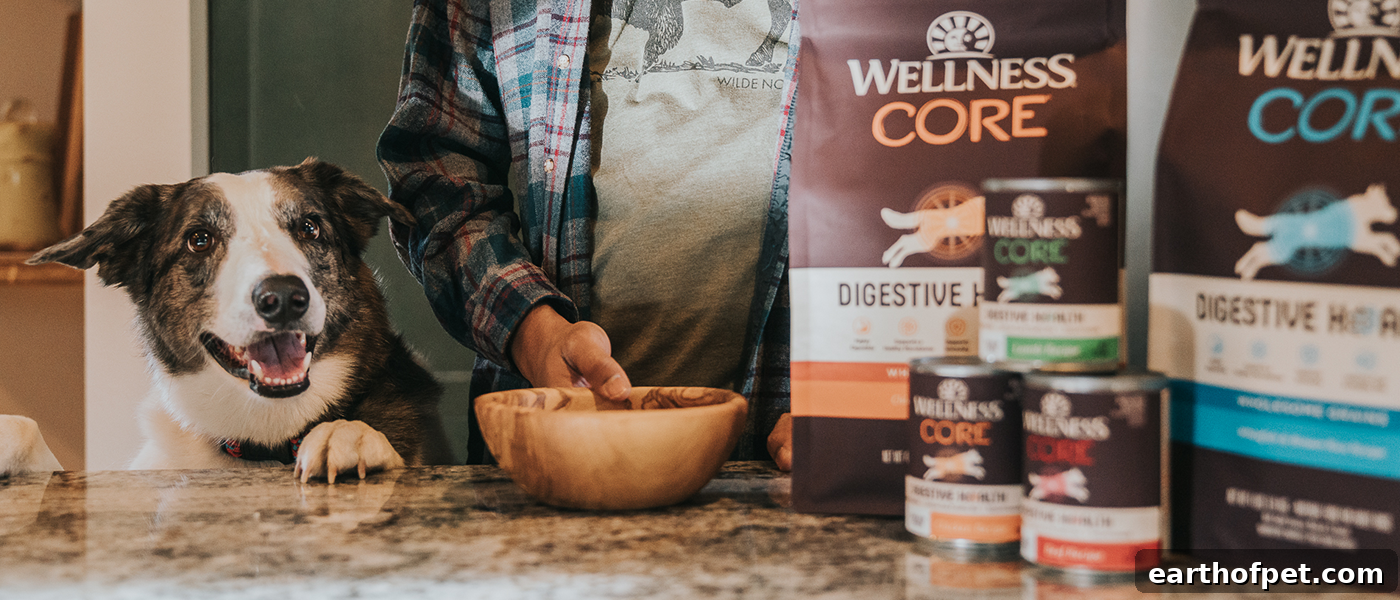
Wellness CORE Age Advantage & Senior Recipes:
Wellness Senior recipes are formulated to meet the unique nutritional needs of dogs aged 7 and up. These recipes combine animal proteins, wholesome carbohydrates, and healthy fats to support lean muscle, energy, and overall health. They are enhanced with glucosamine hydrochloride and chondroitin sulfate for joint support, omega fatty acids for skin and coat, and include dietary fiber, prebiotics, and probiotics for digestive balance. Guaranteed levels of vitamins and minerals help support a healthy immune system as your dog ages.