Many dog owners are surprised to learn that dogs are generally considered seniors by about seven years of age. As they age, a dog’s body and immune system change, and dental health often declines. Dental care is not just about fresh breath or bright teeth—oral health strongly influences overall wellbeing. Establishing and maintaining a daily dental routine can help keep your senior companion comfortable and prevent more serious health problems.
SIGNS YOUR DOG’S TEETH ARE HEALTHY
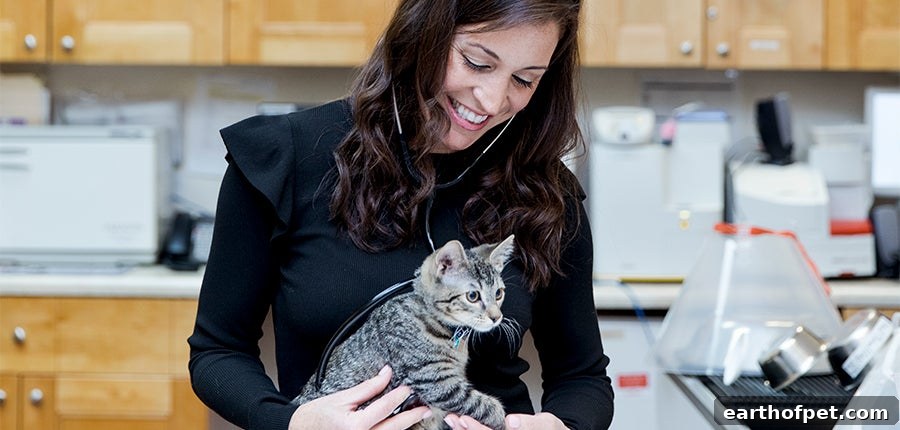
Routine veterinary exams are the most reliable way to confirm your dog’s oral health. A veterinarian will inspect for plaque and tartar buildup, gum disease, loose or broken teeth, and other issues. You can also watch for clear, positive signs at home. Indicators of a healthy mouth include:
- Pink, healthy-looking gums without excessive redness, whiteness, swelling, or bleeding.
- Teeth that appear relatively clean and white, without heavy, hardened tartar at the gumline.
- Breath that is not persistently foul. Chronic bad breath often signals dental disease or infection and should prompt a vet visit.
Beyond those basics, monitor your senior dog for subtle changes that might indicate oral pain: reluctance to eat, dropping food, chewing on one side, excessive drooling, pawing at the mouth, or sudden weight loss. Early detection makes treatment simpler and reduces the risk of complications.
HOW TO CARE FOR YOUR SENIOR DOG’S TEETH
Maintaining dental health in a senior dog involves a combination of home care, nutrition, and professional oversight. Age-related changes—like altered mineral balance, weaker enamel, or slower tissue repair—can contribute to dental problems, so consistent care matters more than ever.
- Brush your dog’s teeth daily. Ideally this starts when a dog is young, but older dogs can adapt with patience. Use toothpaste formulated for dogs and a toothbrush designed for canine mouths. A gradual, positive approach works best:
- Introduce the toothpaste flavor, let your dog taste it, and reward calm behavior.
- Begin by gently rubbing the gums and front teeth with your finger or a finger brush to build trust.
- When your dog accepts that, switch to a soft dog toothbrush, starting at the front and slowly working toward the back as your dog permits.
- Focus on the gumline where plaque and tartar accumulate. Aim for short, consistent daily sessions that gradually increase in length.
- Use appropriate dental chews and alternatives. Daily dental chews can help reduce surface plaque and provide mechanical cleaning when brushing is difficult. Look for chews designed for dental benefit that do not add excessive calories. If brushing is not possible, dental wipes, oral gels, or water additives recommended by your veterinarian can be useful supplements.
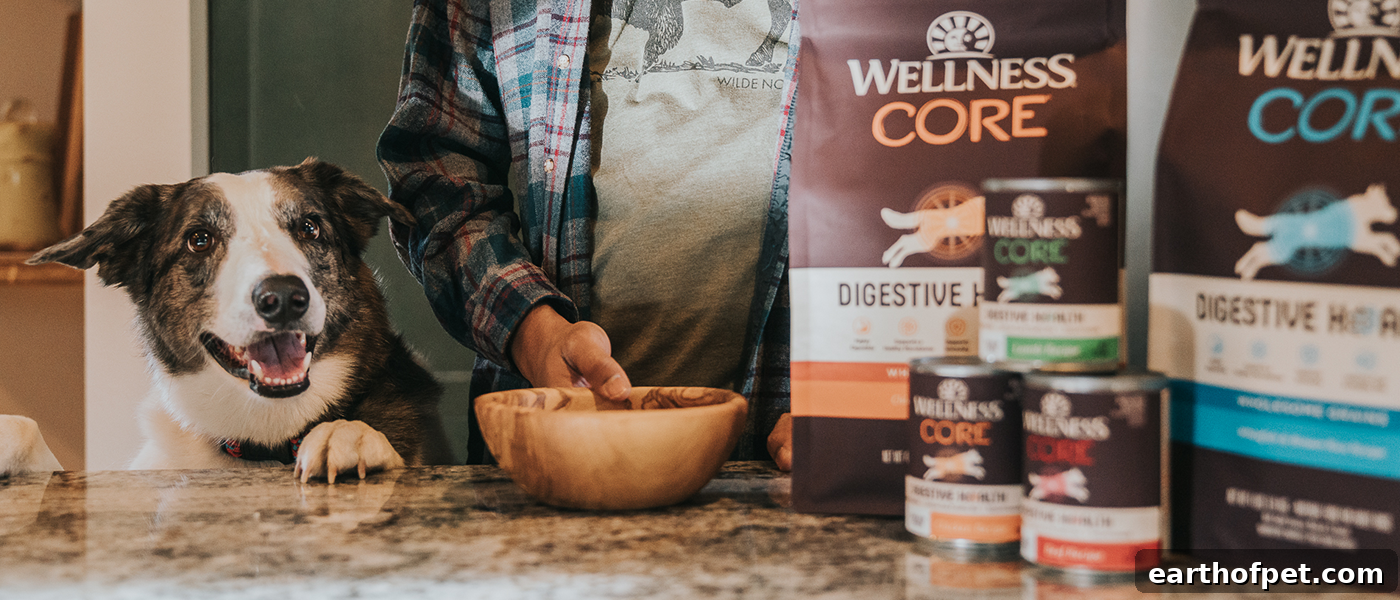
- Provide a balanced diet that supports dental and overall health. Nutrient-rich foods with adequate zinc, calcium, phosphorus, B-complex vitamins, and antioxidants support gum health and tissue repair. Senior formulas often address these needs and come in a range of textures—soft or wet options can be gentler on brittle or missing teeth.
- Schedule routine veterinary dental checkups. Regular exams allow your veterinarian to monitor progression, recommend cleanings, and intervene before problems worsen. In many cases, professional cleaning under veterinary supervision is the safest way to remove heavy tartar and treat gum disease.
These steps work best in combination: daily brushing plus appropriate chews and a supportive diet significantly reduce the likelihood that a senior dog will require invasive dental procedures.
CAN SENIOR DOGS UNDERGO ANESTHESIA FOR DENTAL CARE?
Decisions about anesthesia in older dogs deserve careful consideration. Because senior dogs can have hidden organ changes, the risk associated with general anesthesia increases with age and underlying disease. That said, many seniors can safely undergo anesthesia when necessary, provided proper preoperative screening and monitoring are performed.
Veterinarians typically recommend pre-anesthetic blood work, and sometimes additional tests such as chest X-rays or an electrocardiogram, to evaluate organ function and assess risk. Your vet will weigh the potential benefits of a dental procedure—such as removing painful, infected teeth or treating severe periodontal disease—against the risks. In some cases, treating disease proactively through home care and less-invasive therapies can reduce the need for anesthesia later on.
Open communication with your veterinarian is key: ask about the specific risks for your dog, what tests will be performed, pain control options, and how the clinic monitors anesthetized patients. These measures help make necessary dental procedures as safe as possible for senior dogs.
In short, dental health is a vital part of your senior dog’s overall wellness. A consistent routine of brushing, appropriate dental chews or alternatives, balanced nutrition, and regular veterinary exams will help keep your dog comfortable and reduce the risk of serious disease. Small daily efforts can make a major difference in quality of life during your dog’s golden years.