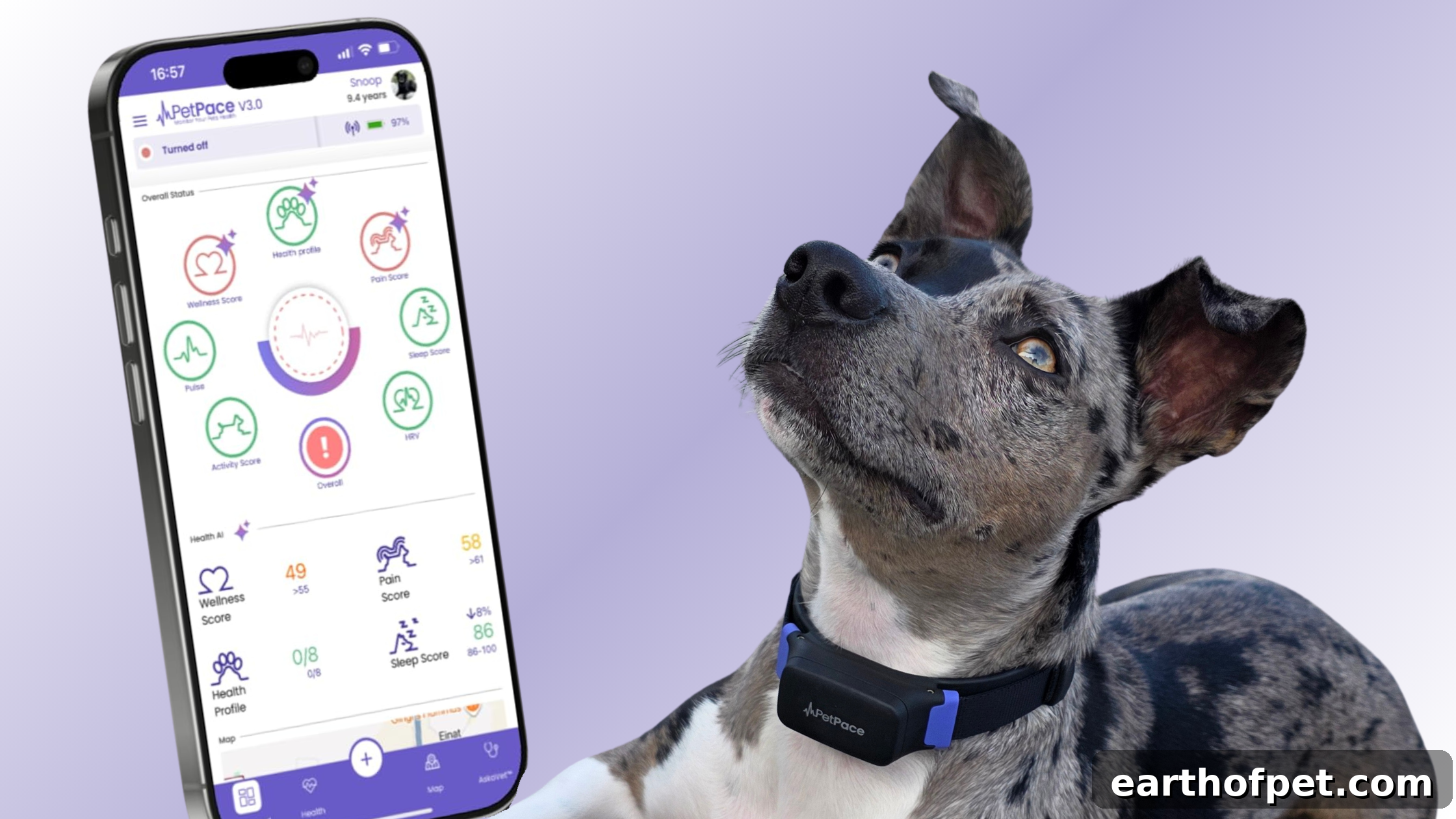
As dogs grow older, their needs change in ways that aren’t always obvious. Aging is typically a gradual process marked by small physical, behavioral, and emotional shifts that accumulate over months and years. For pet parents, this stage brings questions about what’s normal, what needs attention, and how to support a dog’s comfort, mobility, and general wellbeing.
What Age Is a Senior Dog?
There’s no single age when every dog becomes a senior. Breed and size influence how quickly a dog ages, so “senior” looks different from one dog to another. As a general guideline:
- Small dogs (under 20 lbs): senior around 10–12 years
- Medium dogs (21–50 lbs): senior around 8–10 years
- Large dogs (51–90 lbs): senior around 6–8 years
- Giant breeds (over 90 lbs): senior around 5–7 years
Being labeled a senior doesn’t mean a dog is sick; it identifies a life stage where closer attention, small routine adjustments, and proactive care help preserve quality of life. With the right approach, many senior dogs remain active, happy, and engaged for years.

The Unique Health Challenges of Senior Dogs
As dogs age, nearly every body system shifts. Some changes are expected; others can indicate emerging health issues. Common challenges in senior dogs include:
- Reduced mobility or increased stiffness from joint wear or arthritis.
- Chronic or intermittent pain that may be hard to spot day to day.
- Heart and respiratory changes that affect stamina and tolerance for activity.
- Slower metabolism and altered temperature regulation that influence weight and energy levels.
- Sleep or cognitive changes, including restlessness at night or occasional disorientation.
- Heightened sensitivity to stress or changes in environment and routine.
Many of these changes develop gradually, so observing patterns and tracking small declines in function often matters more than reacting to a single symptom.
What to Expect From a 13-Year-Old Dog
By age 13, most dogs are well into their senior years. Daily life often becomes quieter, with more rest and less intense activity. Typical signs you may notice include longer recovery after exercise, shorter and slower walks, more frequent naps, stiffness after rest, and a stronger preference for familiar routines and spaces.
Many 13-year-old dogs remain content, affectionate, and mentally engaged. They typically benefit from adjusted expectations and supportive care—gentle, regular movement, warmer bedding, easier access to favorite spots, and attention to nutrition and dental health can all improve comfort.
Why Routine Vet Visits Alone May Not Be Enough
Regular veterinary check-ups are essential, but many age-related changes happen between appointments. If visits occur only once or twice a year, subtle shifts in mobility, sleep, appetite, or behavior may go unnoticed until they become significant.
Between visits, pain levels and activity patterns can fluctuate, sleep quality may change, and stress responses can increase. Ongoing observation at home—keeping notes on appetite, bathroom habits, walking endurance, and mood—helps detect trends early so interventions can be started sooner.
Signs a Dog’s Quality of Life May Be Declining
Declining quality of life usually appears as a pattern rather than a one-off event. Watch for clusters of changes such as:
- Persistent difficulty standing, walking, or lying down.
- Reduced interest in food, play, or social interaction.
- Disrupted sleep, frequent nighttime pacing, or restlessness.
- Increased confusion, disorientation, or getting “lost” in familiar rooms.
- Ongoing discomfort that interferes with daily routines despite conservative measures.
Not every change signals a serious problem, but tracking trends helps guide timely conversations with your veterinarian about diagnostics, pain management, and adjustments to daily care.
Supporting Senior Dogs With a Proactive Approach
Caring for an aging dog often means shifting from reactive to proactive care. This approach focuses on prevention, consistent monitoring, and small, practical changes that improve comfort and safety. Proactive strategies include:
- Adjusting exercise to match mobility—shorter, more frequent walks and low-impact activities like slow swims or gentle play.
- Making the home safer and more accessible: non-slip rugs, ramps or steps to couches and beds, and supportive orthopedic bedding.
- Maintaining routine and mental stimulation through scent games, short training sessions, and predictable schedules.
- Tracking changes in behavior, movement, appetite, and rest to spot trends early.
- Scheduling more frequent veterinary check-ins to review medications, nutrition, dental care, and comfort measures.
- Managing weight and nutrition to support joint health and overall energy.
Addressing small issues early—like mild stiffness or a subtle drop in activity—can prevent more significant problems later. Collaboration with your veterinarian to tailor a care plan ensures treatments and adaptations match your dog’s changing needs.
Aging With Comfort, Dignity, and Connection
Senior years are not simply about decline; they offer opportunities for deeper connection, quiet companionship, and a renewed focus on comfort and dignity. By understanding typical aging changes, recognizing early signs, and responding with thoughtful, proactive care, families can help their dogs remain comfortable, engaged, and supported through every stage of life.
Curious about how veterinarians are applying real-world data to support senior dogs? Read about veterinarian recommendations and real family results related to senior dog care to learn more about practical monitoring and comfort strategies.