That silver muzzle and slower mornings are more than endearing—they’re clear signs your dog is entering their golden years. With thoughtful care, aging dogs can enjoy comfortable, active, and rewarding lives. This guide explains when a dog is considered a senior, what changes are normal, warning signs that need veterinary attention, practical ways to support your senior dog, and common health conditions to watch for.
When Does “Senior Dog” Begin?
Dogs age at different rates depending largely on their size and breed. These are general guidelines to help you recognize when your pet might be considered a senior:
- Small dogs (under 20 lbs): often become seniors around 10–12 years
- Medium dogs (21–50 lbs): typically senior around 8–10 years
- Large dogs (51–90 lbs): often senior around 6–8 years
- Giant breeds (over 90 lbs): may be considered senior around 5–7 years
Normal Aging vs. Health Concerns
Normal changes you may notice
- Slower starts in the morning and a more leisurely pace overall
- Gray or white fur around the muzzle and eyes
- Longer, deeper sleep and more frequent naps
- Lower interest in high-intensity exercise, but enjoyment of gentle activity
- Mild hearing or vision changes that develop gradually
Signs that need veterinary attention
- Marked difficulty standing, walking, or climbing stairs
- Loss of appetite for more than 24 hours or sudden dietary refusal
- Sudden, dramatic behavior changes such as aggression or severe withdrawal
- Excessive panting when not hot or after minimal activity
- Disorientation in familiar places or getting lost in the house
- Noticeable and unexplained weight gain or loss
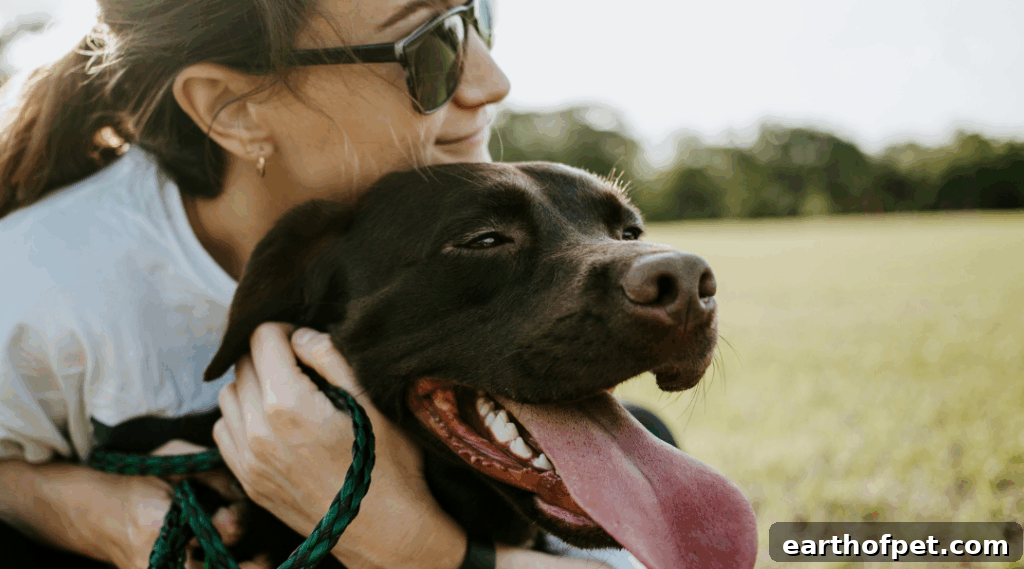
5 Ways to Help Your Senior Dog Thrive
1. Adjust exercise for comfort and mobility
Swap long, strenuous hikes for shorter, more frequent walks. Low-impact activities such as swimming or gentle play help maintain muscle tone and joint mobility without causing pain. Use mental enrichment—puzzle toys, scent games, and short training sessions—to keep their mind engaged. Always watch for signs of overexertion like limping or heavy panting and allow extra rest.
2. Choose nutrition tailored to senior needs
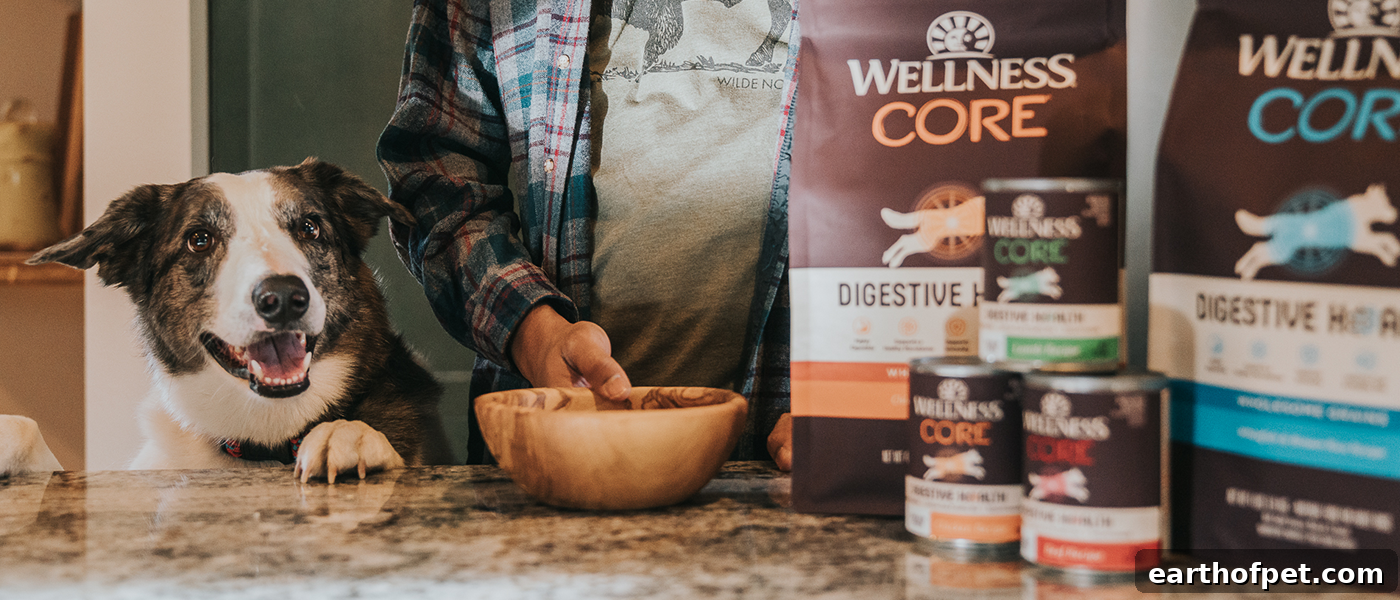
Opt for high-quality, highly digestible protein to preserve lean muscle, while monitoring calories to prevent weight gain. Many older dogs benefit from diets formulated for joint support, digestive comfort, and controlled fat levels. Offer smaller, more frequent meals if digestion slows, and consult your veterinarian before adding supplements or changing diet.
3. Make home modifications for safety and ease
Simple changes improve daily comfort: provide an orthopedic bed, add non-slip rugs or mats, and install ramps or steps to reduce jumping. Raise food and water bowls to a comfortable height, improve lighting for vision, and create easy-access resting spots so your dog can move around the home with confidence.
4. Support mental and emotional well-being
A consistent routine soothes many seniors. Keep training sessions short and positive, continue social interaction appropriate to your dog’s tolerance, and introduce gentle new experiences to stimulate curiosity. Monitor for signs of cognitive dysfunction—such as disorientation, altered sleep-wake cycles, or decreased responsiveness—and discuss any concerns with your vet.
5. Stay proactive with veterinary care
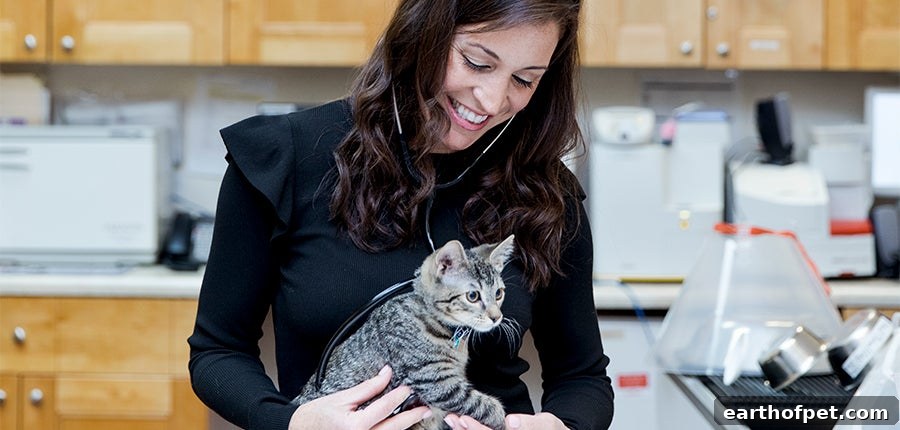
Move to more frequent veterinary check-ups—many owners switch to twice-yearly exams for senior dogs. Regular baseline blood work, dental assessments, and ongoing weight checks help detect age-related issues early when they’re most treatable. Follow your veterinarian’s guidance on vaccinations, parasite prevention, and appropriate screening tests.
Common Senior Dog Conditions to Know
Arthritis: Look for stiffness after rest, reluctance to jump, slower rising, or difficulty with stairs. Management may include weight control, gentle exercise, pain management, and joint supplements under veterinary advice.
Cognitive dysfunction: Symptoms can include confusion, disrupted sleep patterns, decreased interest in favorite activities, and forgetting learned behaviors. Environmental consistency and mental stimulation can help; consult your vet for evaluation and options.
Heart disease: Watch for reduced exercise tolerance, coughing, labored breathing, or fainting spells. Early detection and treatment can significantly improve quality of life.
Kidney disease: Early signs include increased drinking and urination or changes in appetite. Routine blood and urine testing are useful for early diagnosis and management.
Making Every Day Count
Senior years are an opportunity to deepen the bond with your dog through thoughtful adjustments, gentle activities, and extra comfort. Focus on quality time—slow walks, cozy naps in sunny spots, and simple pleasures that match your dog’s energy and abilities.
The Beautiful Truth About Senior Dogs
Each gray whisker and quieter moment reflects a life of loyalty and companionship. With attentive care, regular veterinary partnership, and plenty of affection, your senior dog can continue to thrive and enjoy meaningful days. Now is the time to return the love your dog has given you, helping them move through this season with comfort, dignity, and joy.