Raw Dog Food Diet
Many pet owners use raw dog food as an occasional treat or as a topper for kibble, while others choose to feed raw exclusively, believing it delivers more natural, minimally processed nutrition. High-quality nutrition supports a long, healthy life and contributes to both physical and mental wellbeing. But deciding which feeding style is best requires weighing benefits, risks, and the individual needs of each dog.
What suits one may not suit all
Dogs are individuals with different nutritional needs based on breed, size, age and health. A diet that works well for one dog may be inappropriate for another. Before changing your dog’s daily diet, consult your veterinarian to ensure any changes meet your dog’s specific requirements and medical conditions.
What is a raw dog food diet?
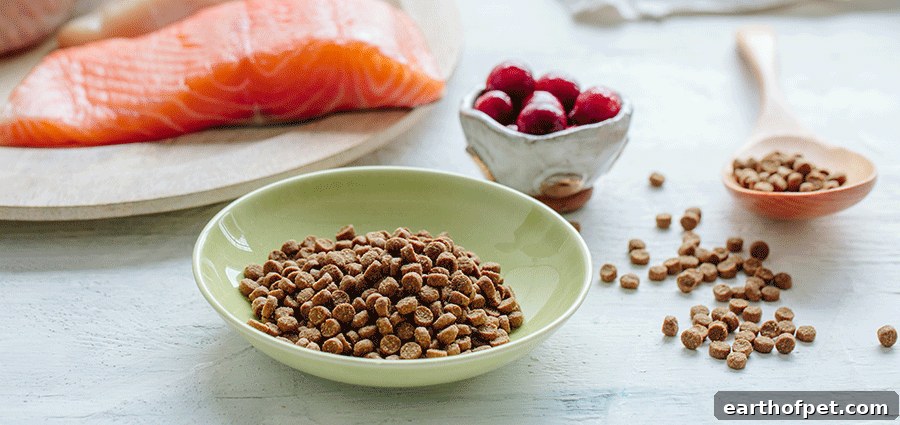
A raw diet typically includes uncooked muscle and organ meats, whole or crushed bones, fruits, vegetables, raw eggs and some dairy. These ingredients are usually prepared and served fresh or frozen, aiming to mimic a more natural feeding pattern than highly processed foods.
Conflicting and confusing information
Research on raw feeding is mixed. Scientific evidence supporting raw diets is limited and has led many veterinarians and public health agencies to express caution. At the same time, many pet owners share strong anecdotal reports of health improvements after switching to raw. When evaluating these claims, consider both peer-reviewed studies and your dog’s individual response under veterinary guidance.
The case for a raw food diet for dogs
Dogs descended from carnivorous ancestors such as the Gray Wolf, which thrived on a meat-based diet. Over thousands of years, however, dogs have evolved into a wide range of breeds with different genetic variations and dietary adaptations. Unlike obligate carnivores such as cats, dogs are now considered omnivores; they possess genes that help them digest and derive nutrients from carbohydrates as well as animal proteins. This evolutionary flexibility is one reason some owners feel a raw diet more closely aligns with a dog’s ancestral eating habits.
Raw feeding today can take many forms: home-prepared meals, commercially prepared raw formulas, freeze-dried raw pieces, or kibble blended with raw components. Commercial options can make it easier to offer raw ingredients while reducing some food-safety risks.
Raw dog food diet advantages
Supporters of raw feeding often report improvements such as a shinier coat, healthier skin, fresher breath and cleaner teeth, more energy and smaller, firmer stools. Palatability is another clear advantage—many dogs eagerly consume fresh, meat-based meals.
Raw dog food diet disadvantages
Multiple veterinary studies and public health organizations have raised concerns about raw diets. Pathogenic bacteria such as Salmonella and E. coli have been detected in some raw food products, which can cause digestive illness in dogs and pose a contamination risk to people, especially young children, the elderly and immunocompromised individuals.
Feeding bones can also be risky: they can splinter and cause choking, intestinal blockages or damage to teeth. Home-prepared raw diets that are not formulated correctly can lead to nutritional imbalances and deficiencies. Creating a complete and balanced raw diet often requires guidance from a veterinary nutritionist or the use of appropriate supplements.
Practical considerations also matter: preparing raw meals at home requires time and care to avoid contamination, high-quality ingredients can be costly, and travel or emergencies can complicate feeding routines for dogs on raw diets.
Raw dog food diet risks recap
- Potential presence of harmful bacteria or pathogens in raw food
- Risk of contaminating household surfaces and making humans sick
- Raw bones may pose choking hazards or damage teeth
- Higher cost and greater time commitment compared with many commercial diets
Commercially prepared raw dog food diets
For owners who want the perceived benefits of raw feeding but want to reduce safety risks, commercially prepared raw recipes can be a practical option. These products are designed and tested to meet nutritional guidelines and often undergo processes—such as freeze-drying or controlled sourcing and handling—that help minimize bacterial contamination while preserving raw ingredients’ flavor and nutrient profile.
Some commercial products combine a complete, balanced kibble with freeze-dried raw meat pieces or offer fully balanced frozen or refrigerated raw meals. Such combinations aim to provide convenience, consistent nutrition and the sensory appeal of raw meat without the full burden of home preparation. When choosing any commercial raw product, look for manufacturers that provide nutritional adequacy statements, feeding guidelines and transparent safety and testing practices. Discuss options with your veterinarian to determine whether a particular commercially prepared raw diet is appropriate for your dog’s life stage and health needs.