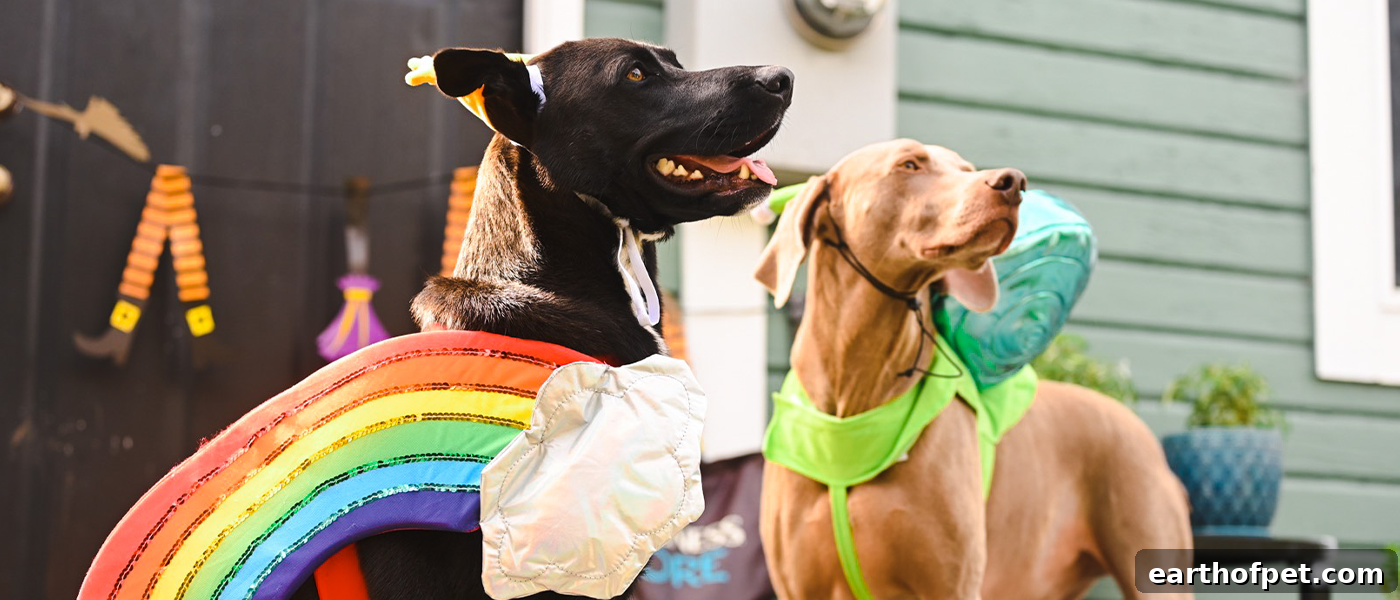
Halloween can be a fun, festive night — but it’s also one of the busiest and most unpredictable evenings for pet owners. Costumes, crowds, doorbell traffic, decorations, and candy create unusual sights, sounds, and smells that can stress or endanger dogs. Whether you plan to take your dog trick-or-treating, leave them at home, or stay in with them while guests visit, follow these practical tips to keep your dog calm, comfortable, and safe on Halloween.
Make Sure Your Dog Feels Safe
Comfort and security should be your first priorities. Many dogs become overwhelmed by the extra noise and activity on Halloween night. Use these strategies to reduce anxiety and prevent escapes or accidents:
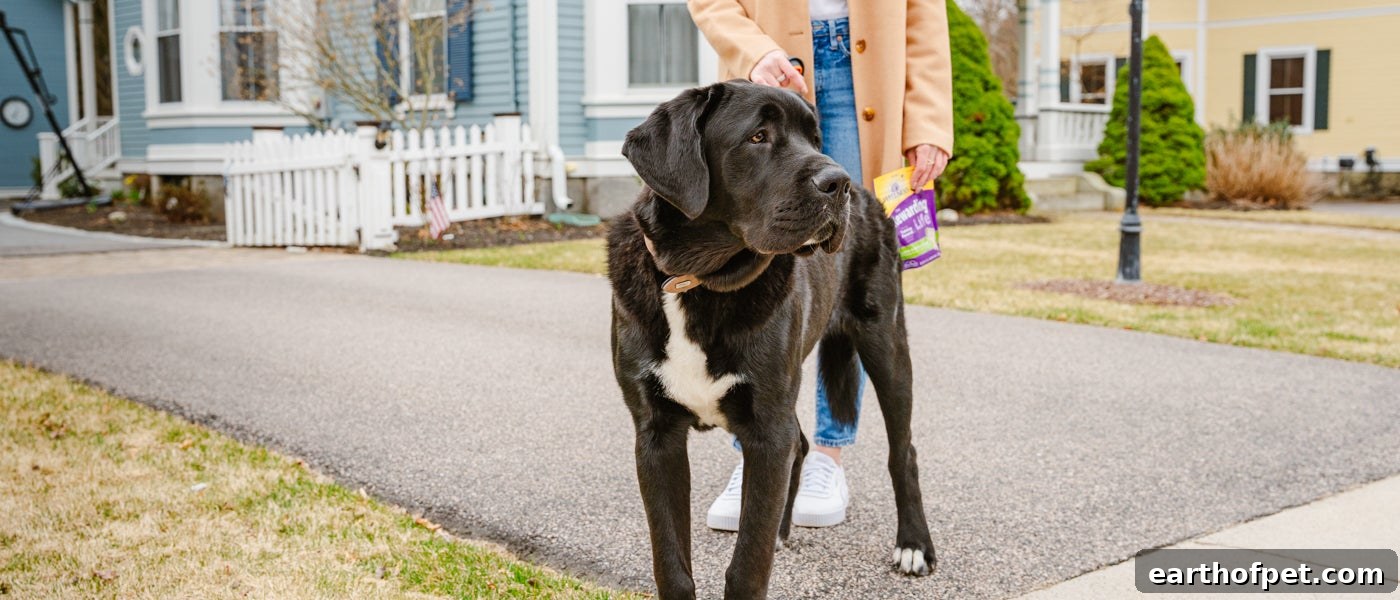
- Keep your dog on a leash and only take them into crowds if they are comfortable with strangers and noisy environments.
- Ensure your dog has clear identification on their collar, even if they are microchipped. An ID tag with current contact information speeds recovery if they get loose.
- Create a quiet, secure space indoors where your dog can retreat from the door and the commotion. A crate, a bedroom, or a quiet corner with familiar bedding and toys helps many dogs feel safe.
- Consider calming aids for dogs with known anxiety—options include pheromone diffusers, calming treats, or medication prescribed by your veterinarian.
- If you won’t be home, turn off porch lights and avoid inviting trick-or-treaters. A dark porch reduces foot traffic and the chance your dog will be startled by knocks or strangers.
- Never leave your dog outside unattended on Halloween night. Increased foot and vehicle traffic can frighten pets, and roaming dogs are at higher risk of getting lost or harmed.
Don’t Put Your Dog in an Ill-Fitting Halloween Costume
Costumes can be adorable, but only when the dog is comfortable and safe. An ill-fitting outfit can restrict movement, cover the face, rub skin, or cause the dog to panic and try to escape, which risks injury or choking. If you dress your dog for Halloween, follow these rules:
- Choose a costume that fits properly and allows free movement, breathing, hearing, and vision.
- Avoid costumes with small, dangling, or easily chewed parts that could become choking hazards.
- Introduce the costume well before Halloween so your dog can get used to wearing it for short periods. Supervise closely and remove it at the first sign of distress.
- Monitor for overheating, especially if the costume covers the dog’s coat or is worn indoors.
Keep Halloween Décor Away from Your Dog
Many seasonal decorations are tempting for dogs to investigate and chew. Edible décor like pumpkins, corn, and gourds can upset a dog’s stomach if ingested, and non-food items such as fake cobwebs, plastic props, and decorative straw pose choking and intestinal blockage hazards. Other dangers include:
- Open flames from candles, jack-o’-lanterns, or luminaries that can cause burns or start fires if knocked over; use battery-operated candles instead.
- Electrical cords and string lights that can shock or burn if chewed; keep wires secured and out of reach.
- Decorative items with small detachable parts or toxic paints and glues; place fragile or hazardous items on high surfaces or in rooms the dog cannot access.
As a rule, never leave dogs unsupervised in rooms with accessible decorations.
Stow the Candy and Candy Bowl Far from Your Dog’s Reach
Candy is one of the greatest risks to dogs on Halloween. Chocolate is toxic to dogs; the darker and more concentrated the chocolate (baking chocolate, cocoa powder, dark chocolate), the higher the risk. Other treats and items to watch for include raisins and products containing xylitol, both of which can be dangerous or even fatal to dogs. In addition, candy wrappers, strings, and glow sticks can cause intestinal blockages or chemical irritation if chewed or swallowed.
- Store all candy in sealed containers out of reach and out of sight—high counters, closed cabinets, or locked rooms work best.
- Feed your dog before guests arrive and offer a special dog-safe treat during the evening so they are less likely to beg for human candy.
- Inform guests, especially children, not to feed your dog any Halloween candy or treats, and keep doors supervised when handing out goodies.
- If you suspect your dog ate something toxic, contact your veterinarian or an emergency animal clinic immediately.
Keeping your dog calm, comfortable, and safe on Halloween takes a little planning, but it prevents a lot of stress and potential harm. A healthy dog enjoys both good food and a safe environment — prioritize their comfort over the photo ops and treats. With thoughtful preparation, you can enjoy the festivities while protecting your pet.