Your Dog Refusing To Eat Could Point To More Serious Issues
Whether you’ve just welcomed a new puppy into your home or have cared for a loyal companion for years, it’s alarming when a dog suddenly stops eating. A loss of appetite can be temporary and harmless, but it can also signal an underlying medical or behavioral problem. Most healthy dogs can safely skip a meal or two, but if your dog refuses food for more than 24–48 hours, or shows other worrying signs such as vomiting, diarrhea, lethargy, or weight loss, contact your veterinarian promptly. Monitoring appetite alongside behavior, energy level, and other symptoms will help you determine whether this is a short-term issue or a condition that needs professional attention.
10 Reasons Why Your Dog Is Not Eating His Food
1. Illness or Serious Health Conditions
A sudden drop in appetite may be a symptom of infections, organ disease (like liver or kidney problems), gastrointestinal disorders, or even cancer. If your dog is also unusually tired, vomiting, has diarrhea, or shows changes in drinking or urination, seek veterinary care to rule out or treat serious illness.
2. Recent Vaccinations
Vaccinations are essential for protection against disease, but some dogs experience brief side effects afterward, including reduced appetite, mild fever, or soreness. These signs usually resolve within 24–48 hours, but if appetite doesn’t return or symptoms worsen, check with your vet.
3. Stress from Travel or New Environments
Changes in routine, new homes, visitors, or travel can make dogs anxious and reluctant to eat. Motion sickness during car rides can also dampen appetite. Allow time for adjustment, keep mealtimes calm, and maintain familiar feeding routines to help reduce stress-related appetite loss.
4. Oral Pain or Dental Problems
Oral pain from broken teeth, gum disease, infections, or oral masses can make chewing uncomfortable. Inspect your dog’s mouth if possible and ask your veterinarian to perform a dental exam if you suspect mouth pain. Dental disease is a common and treatable cause of decreased appetite.
5. Ingested Toxins or Foreign Objects
If your dog swallowed something toxic, spoiled food, or a non-food item that irritates the stomach, they may refuse to eat. Signs can include vomiting, drooling, abdominal pain, or behavioral changes. If you suspect poisoning or ingestion of a foreign object, contact your vet or an emergency clinic immediately.
6. Injury or Pain
Pain from injuries, surgeries, or chronic conditions can suppress appetite. Some pain medications also reduce hunger. Talk with your veterinarian about pain management options and how to encourage eating while protecting recovery.
7. Age-Related Changes
Older dogs commonly eat less than they did in their prime. Age-related health issues—arthritis, dental deterioration, reduced mobility, and organ changes—can all contribute to a decreased appetite. Regular senior wellness checks help identify treatable causes and guide dietary adjustments suited to older pets.
8. Stress, Anxiety, or Depression
Dogs can experience stress and mood changes that affect eating. New household pets, changes in the family, loud noises, or separation anxiety can all reduce a dog’s interest in food. Behavioral strategies, routine consistency, and consultation with a trainer or behaviorist may help.
9. Excess Treats or Human Food
If your dog snacks frequently on treats or table scraps, they may simply be too full for their regular meals. Limit treats and avoid feeding human food between meals to restore normal appetite and prevent nutritional imbalance or weight gain.
10. Picky Preferences or Diet Changes
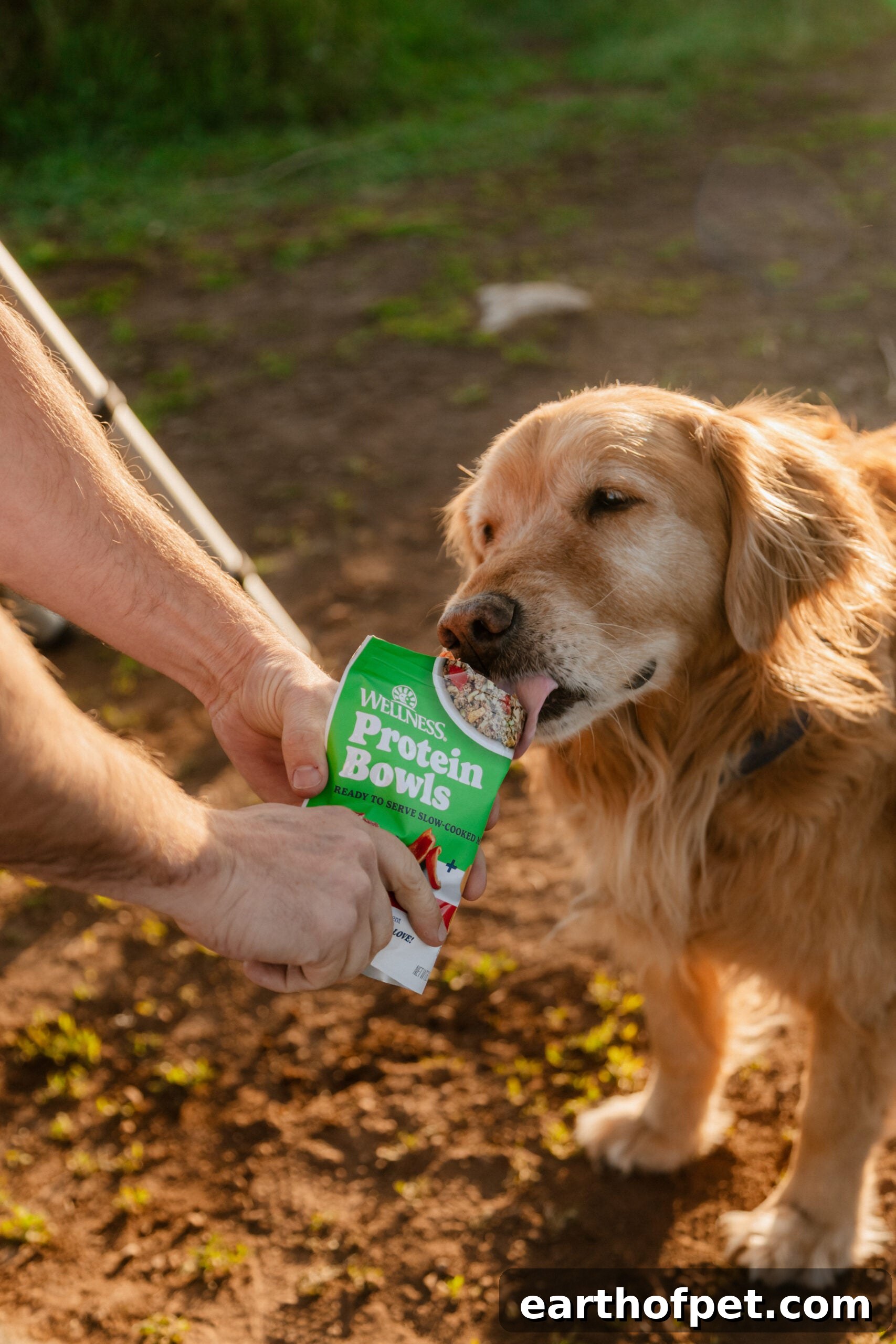
Some dogs are finicky and may reject food they find unappealing. Sudden changes in brand, formula, flavor, or texture can trigger refusal. Transition slowly to a new diet over 7–10 days, warming food slightly or adding a small amount of plain broth can make meals more enticing. If appetite problems persist despite adjustments, consult your veterinarian to rule out medical causes.
A persistent loss of appetite should not be ignored. If your dog refuses food for more than 24–48 hours, shows other symptoms, or you notice a rapid change in weight or behavior, contact your veterinarian for a thorough evaluation. Early diagnosis and treatment improve outcomes for many medical conditions.
To support your dog’s health, focus on balanced, age-appropriate nutrition, consistent feeding schedules, and regular veterinary checkups. If you’re considering different food options, introduce new diets gradually and monitor how your dog responds, and always speak with your vet about nutritional needs, especially for puppies, seniors, or dogs with medical conditions.