
TrendHunter // Michael Hemsworth — March 9, 2024 — Lifestyle
References: TrendHunter, PetPace, Gadgetify
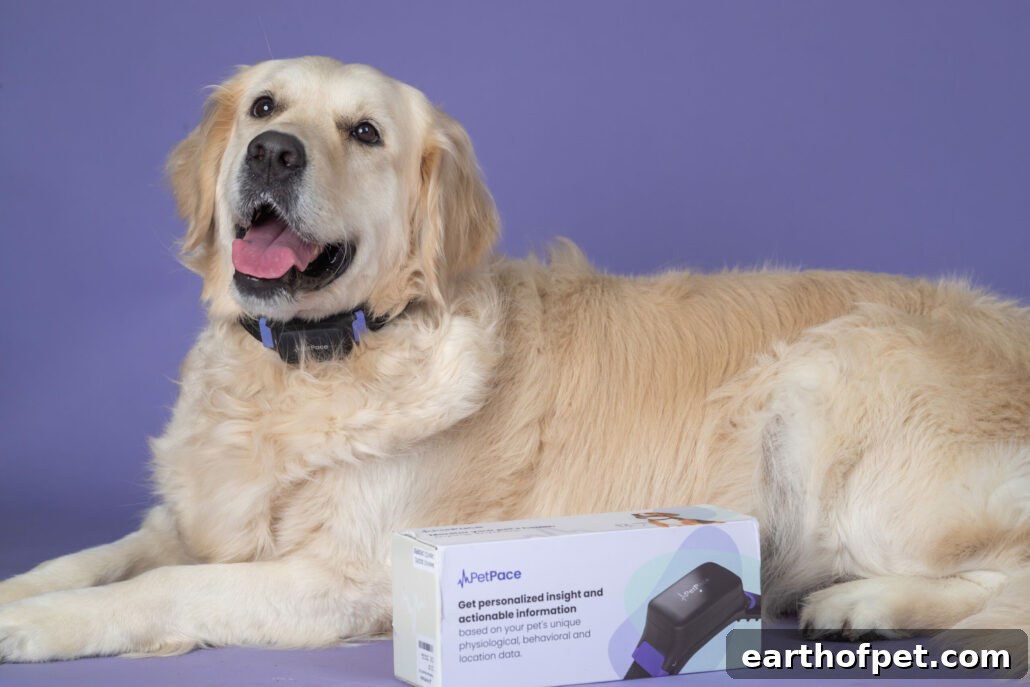
The PetPace Health 2.0 dog collar is a next-generation smart accessory designed to help pet owners monitor their dogs’ health continuously and proactively. Built around artificial intelligence, the collar analyzes vital signals in real time to identify trends and potential concerns before they become urgent. Key physiological measurements tracked by the device include pulse, heart rate variability, respiratory rate, sleep quality, posture and overall activity levels. By interpreting these indicators through AI algorithms, the collar aims to deliver meaningful alerts and concise health insights to caregivers.
This new generation of the PetPace collar is positioned as a versatile tool for pet wellness at every life stage. From puppies adjusting to a new home to older dogs with chronic conditions, continuous monitoring provides added visibility into a pet’s baseline and any deviations from it. The collar also integrates GPS location tracking to help owners find a lost dog quickly and to correlate location-based behavior with health data, such as changes in activity when a pet visits a particular environment.
From a practical standpoint, smart collars like the PetPace Health 2.0 are designed to be worn continuously and to feed a steady stream of data to a companion app or platform. Pet owners can receive alerts if the AI detects unusual patterns — for example, an elevated resting heart rate, irregular breathing, or disrupted sleep. These automated notifications give owners the opportunity to observe their pets earlier and consult a veterinarian when appropriate. While a wearable collar does not replace professional veterinary diagnosis, it can provide valuable context and longitudinal data that supports better-informed care decisions.
Trend Themes
1. AI-powered Health Monitoring – Leveraging artificial intelligence to interpret continuous biometric data, enabling early detection and reducing the lag between symptom onset and owner awareness. AI helps transform raw measurements into actionable insights and personalized alerts.
2. Real-time Vital Tracking – Advanced sensors capture pulse, heart rate variability, respiratory rate, sleep quality, posture and activity in real time, allowing owners to observe daily rhythms and detect deviations from an individual pet’s baseline health.
3. GPS Health Wearables – Combining location services with health telemetry enhances both safety and contextual understanding: where a pet goes and how it behaves can inform interpretations of activity spikes or stress-related changes in vitals.
Industry Implications
1. Pet Care – Smart collars with AI-driven monitoring are reshaping pet wellness by offering continuous, passive data collection that complements periodic veterinary checkups. This continuous approach supports preventative care models and can improve management of chronic conditions by providing trend data between clinic visits.
2. Wearable Technology – The adoption of sophisticated sensors and onboard analytics in pet wearables demonstrates the cross-application potential of health-tracking technologies. Innovations originally focused on human health are being adapted to animal physiology, encouraging further investment and specialized sensor development for veterinary uses.
3. Location Tracking – GPS-enabled health wearables create new opportunities for safety and recovery while enriching health datasets. Being able to link a pet’s location to changes in activity or stress levels enables more accurate diagnoses of behavior- or environment-related issues and supports faster responses when animals go missing.
Overall, devices such as the PetPace Health 2.0 dog collar reflect an ongoing shift toward data-informed pet ownership. When used thoughtfully, continuous monitoring tools can improve quality of life for animals and provide comfort to owners by offering timely information. As the category evolves, considerations such as data security, meaningful alert thresholds, and ease of integration with veterinary workflows will shape how widely these wearables are adopted. For pet owners evaluating smart collars, key priorities should include sensor accuracy, clarity of insights, and whether the device supports practical actions — for example, exporting reports for a veterinarian or setting personalized alert levels.