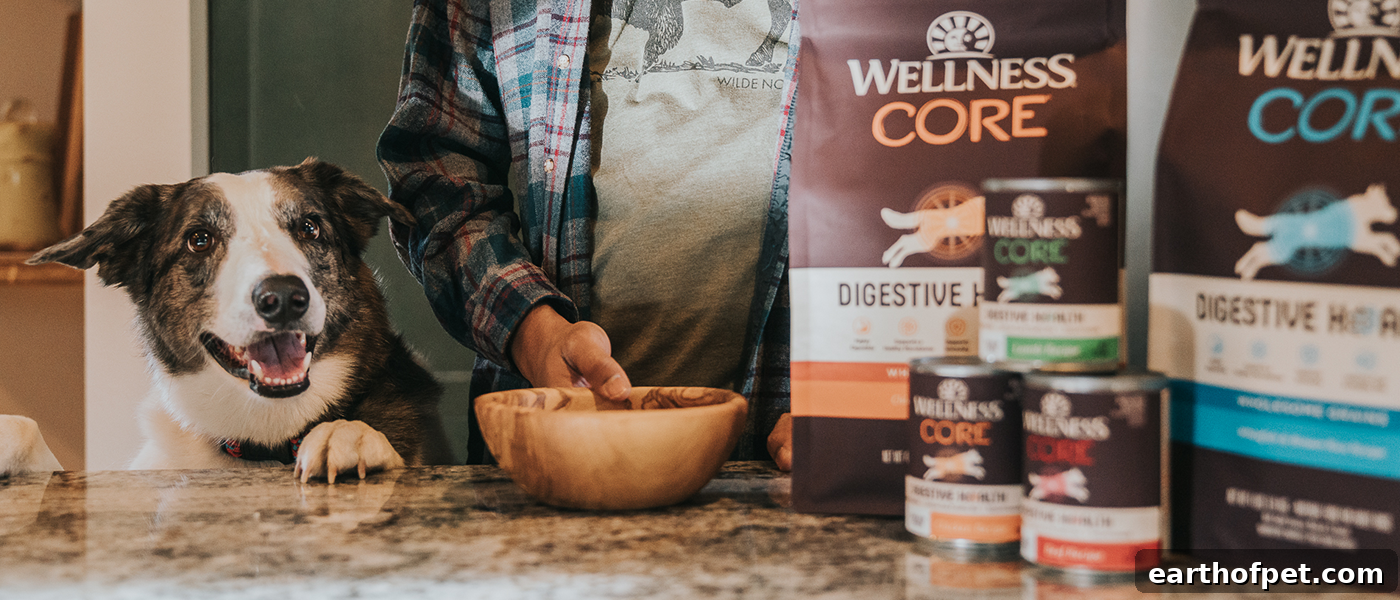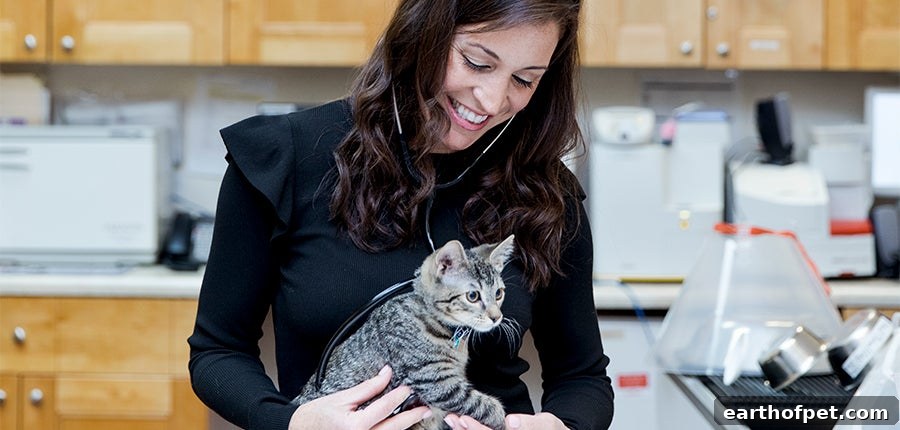
According to a recent study, more than half of dogs and cats in the U.S. are carrying excess weight, and PetPace wants pet owners to be aware of their options on National Pet Obesity Awareness Day.
BURLINGTON, Mass.
National Pet Obesity Awareness Day: What Pet Owners Should Know
Wednesday marks National Pet Obesity Awareness Day, a reminder to pet owners to evaluate their animals’ weight and overall health. PetPace, the company behind a health-monitoring smart collar for dogs and cats, is urging owners to act—especially if a pet is aging, ill, or at risk for weight-related health problems.
Annual surveys by the Association for Pet Obesity Prevention have shown troubling trends. Most recently, researchers found that more than 58 percent of cats and nearly 54 percent of dogs in the United States were either overweight or obese. Within those figures, the survey reported that over 30 percent of cats and about 20 percent of dogs were classified as obese. These numbers highlight a widespread and growing health concern for companion animals.
“These results are very troubling, especially since obesity in pets is largely preventable with appropriate diet and exercise, and because excess weight contributes to numerous health issues,” said Dr. Asaf Dagan, PetPace’s chief veterinarian.
“Fortunately, PetPace’s smart collar helps owners track activity patterns and estimate calorie expenditure, enabling more informed choices about a pet’s care in consultation with their veterinarian.”
Why Pet Obesity Matters
Like people, overweight pets face an elevated risk of both acute and chronic diseases. Carrying extra weight can increase the likelihood of conditions such as diabetes, heart disease, reduced liver function, joint and mobility problems, a higher risk of certain cancers, and a shortened quality of life. Even modest weight loss in an overweight pet can reduce these risks and improve mobility, comfort, and longevity.
Because weight management combines diet, activity, and ongoing monitoring, veterinarians often recommend a comprehensive approach: a tailored feeding plan, regular exercise, and frequent check-ins to track progress. Pet owners who work closely with their veterinarian are better positioned to set safe, realistic goals and adjust a plan as the pet’s needs change.
How Smart Monitoring Can Help
The PetPace collar is a non-invasive, sensor-rich wearable designed to help pet owners and veterinary teams monitor key physiological and behavioral indicators. The collar continuously collects data on measures such as temperature, pulse, respiration, activity positions, heart rate variability (HRV), and estimated calorie burn. That information feeds into a cloud-based system that supports ongoing observation, analysis, and timely alerts about potential medical or behavioral concerns.
Because it records around-the-clock activity and vital signs, the collar makes it easier to detect subtle changes that could indicate pain, illness, or the need for a different care strategy. For pets struggling with weight, these data can help owners and veterinarians evaluate how active the animal really is, how many calories they may be burning, and whether behavior patterns suggest the need for a different exercise or feeding regimen.
The company has received recognition from both pet owners and veterinary professionals for improving pet care at home and in clinical settings. In a recent survey, four out of five veterinarians recommended a health-monitoring collar like PetPace for older or ill pets, underscoring the technology’s growing role in preventive and chronic-care management.
Practical Steps for Pet Owners
PetPace and veterinarians recommend the following practical steps for owners concerned about their animal’s weight:
- Consult your veterinarian to determine your pet’s ideal weight and to develop a safe, individualized plan for diet and exercise.
- Monitor daily activity and feeding closely; consistent routines make it easier to track progress and adjust plans.
- Consider a wearable health monitor to collect objective data on activity, resting periods, and physiological signs—especially for older or medically at-risk animals.
- Focus on gradual, sustainable weight loss guided by a veterinary professional rather than rapid or extreme methods.
- Schedule regular veterinary check-ups to assess health markers beyond weight, such as mobility, bloodwork, and any emerging conditions.
On Wednesday, the Association for Pet Obesity Prevention will begin its 10th annual study on pet obesity. Veterinarians and clinics are encouraged to participate through the association’s website to help improve understanding of obesity trends and promote healthier outcomes for pets.
PetPace encourages owners to discuss weight and activity concerns with their veterinary team and to consider continuous monitoring as a tool to support long-term wellness and early detection of health problems. With a combined approach—veterinary guidance, better feeding habits, increased activity, and consistent monitoring—owners can significantly improve their pets’ quality of life and reduce obesity-related health risks.