In 2017, the most common diagnosis made by US veterinarians for dogs was dental disease — a condition so widespread that it now affects roughly four out of five dogs older than three years. Several factors fuel this epidemic: many dogs do not receive daily oral care, small and older breeds are more prone to dental problems, and owners frequently assume that signs such as bad breath are normal rather than indicators of disease.
For decades dog owners believed an occasional bone or chew was sufficient dental care. We now know much more about canine oral health and recognize that an effective program combines regular professional veterinary care with consistent at-home maintenance. This two-part approach—periodic veterinary dental checks and daily cleaning at home—is essential for preventing pain, infection and tooth loss.
Below is a clear, practical summary of key facts about dog dental health, signs to watch for, and simple steps you can take to help keep your dog’s mouth healthy.
Are Human Dental Problems the Same as Dog Dental Problems?
Dogs and people experience different dental issues. True tooth decay that causes cavities is relatively uncommon in dogs. Differences in tooth shape, the pH and composition of saliva, the oral microbiome and typical diets make classic human-style cavities less likely in canines.
Periodontal disease, however, is extremely common — affecting approximately four out of five dogs — and is the leading cause of tooth loss in pets.
Periodontal disease involves the gums and the supporting structures of the tooth. It begins with plaque, the soft, clear or cream-colored biofilm that builds up on teeth. Plaque contains large numbers of bacteria plus food particles, proteins and cellular debris. If plaque is not removed by brushing, chewing or professional cleaning, minerals in the saliva—especially calcium—bind to the plaque and harden it into tartar (calculus).
Tartar is the hard, yellow-to-brown deposit that forms above and below the gum line and is difficult to remove without professional instruments. As plaque and tartar accumulate, bacteria proliferate around these deposits and trigger inflammation and infection of the gums (gingivitis) and deeper periodontal tissues. Over time this process can lead to bone loss around the tooth, loosened teeth and eventual tooth loss if left untreated.
How Do I Know if My Dog Has Dental Disease?
Bad breath is the most common and reliable early clue that something is wrong. Periodontal disease produces persistent odor, red or swollen gums, visible tartar, and sometimes pain that causes a dog to hesitate when eating or to drop food while chewing. Other signs include pawing at the mouth, decreased appetite, reluctance to take toys or treats, and, in advanced cases, visible loose or missing teeth.
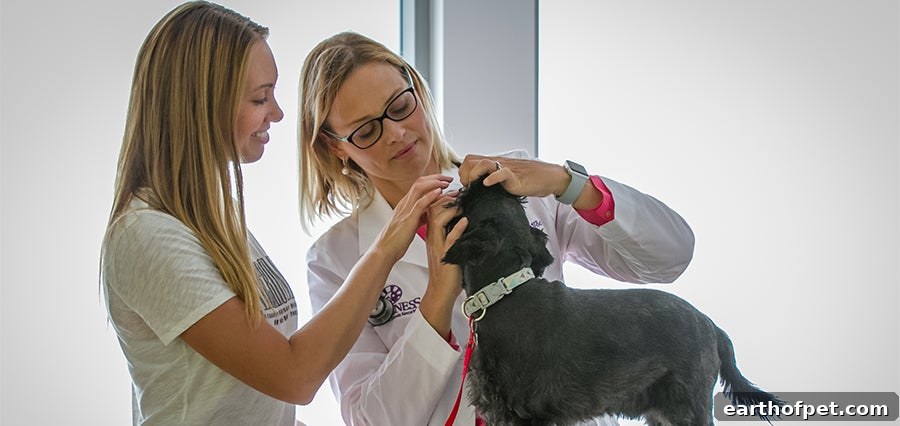
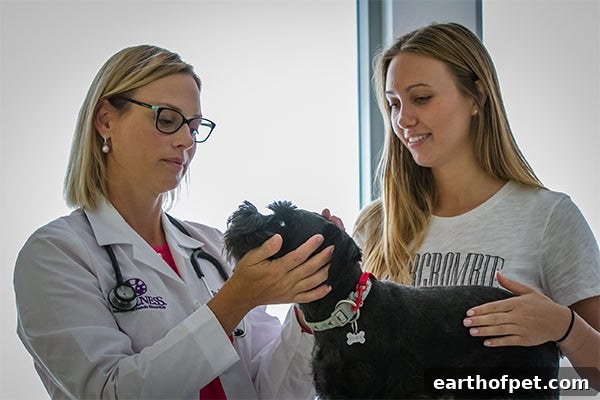
Perform a simple visual check by gently lifting your dog’s lip and inspecting the teeth and gum line. Healthy teeth are mostly free of brown deposits and gums should be pink and not overly red or swollen. If you see brown or yellow crusting on the tooth surfaces, especially at the gum line, or if the gums appear red and irritated, schedule a veterinary exam. Your veterinarian can assess the extent of disease and recommend cleaning, radiographs and any necessary treatment.
What Can I Do to Help My Dog?
Regular veterinary dental exams and cleanings are essential. But daily at-home care makes a huge difference: plaque begins to accumulate again immediately after cleaning and within about 48 hours can start calcifying into tartar. Mechanical abrasion—either brushing with a toothbrush or supplying appropriate chew items that abrade the tooth surface—removes plaque and slows disease progression.
Have You Brushed Your Dog’s Teeth Today?
After a professional cleaning, daily brushing is the single most effective at-home habit for maintaining oral health. Brushing reduces plaque, prevents new tartar formation and helps keep gums healthy. That said, many owners find brushing difficult; studies and surveys suggest a very small percentage of dog owners brush their pet’s teeth regularly.
For owners who cannot brush daily, there are alternatives that help reduce plaque and tartar. Veterinary-recommended dental chews, enzymatic oral products, and specially formulated diets can all contribute to better oral hygiene when used as part of a comprehensive dental care plan. Some manufacturers report efficacy data for their dental chews—for example, claims of improved plaque and tartar control—so discuss options with your veterinarian to choose products that suit your dog’s size, chewing habits and overall health.
Dental chews are available in a range of sizes and textures to accommodate small to large dogs. Look for products intended specifically for daily use and follow feeding guidelines on the package. Remember that chews are a supplement to, not a replacement for, professional dental examinations and treatment when indicated.
In short: check your dog’s mouth regularly, seek veterinary care if you notice bad breath, tartar, inflamed gums or changes in eating behavior, and adopt a consistent at-home routine—brushing when possible and using proven adjuncts when brushing is impractical. These steps greatly improve your dog’s comfort, reduce the risk of infection and contribute to a longer, healthier life.