Bringing a new dog into your home is an exciting life change and a rewarding responsibility. Caring for a dog well requires planning, consistency, and commitment. Consider this your New Dog Starter Kit: practical advice to help you provide vaccinations, training, proper nutrition, exercise, and safety measures that keep your dog healthy and happy. With the right care, your dog will repay you with loyal companionship and unconditional love.
Vaccinations
Yearly veterinary care and appropriate vaccinations are essential for both puppies and adult dogs. Vaccine recommendations vary by age, breed, health status, and local disease risks, so your veterinarian should complete a full exam and suggest a tailored vaccination schedule. Common vaccines to discuss with your vet include:
- Rabies – Widely recommended for all dogs; some vets administer it annually while others use a three-year protocol depending on the vaccine and local regulations.
- Parvovirus – Especially important for puppies and dogs at higher exposure risk; parvovirus can be severe, so vaccination series for puppies is typically prioritized.
- Kennel cough (Bordetella) – Recommended for dogs that will be boarded, attend daycare, or otherwise encounter many other dogs, as it helps reduce the risk of respiratory outbreaks.
In addition to vaccinations, microchipping is strongly recommended. Microchipping is a quick procedure performed in the vet’s office; it implants a small identification chip that greatly improves the chances of reuniting with your dog if they become lost. Also plan routine wellness checks, parasite prevention, dental care, and any breed-specific screenings your vet advises.
Training Tips
Training builds trust, safety, and a predictable routine—vital elements for a well-adjusted dog. Start training as soon as you bring your dog home and keep sessions short, positive, and consistent. Key training strategies include:

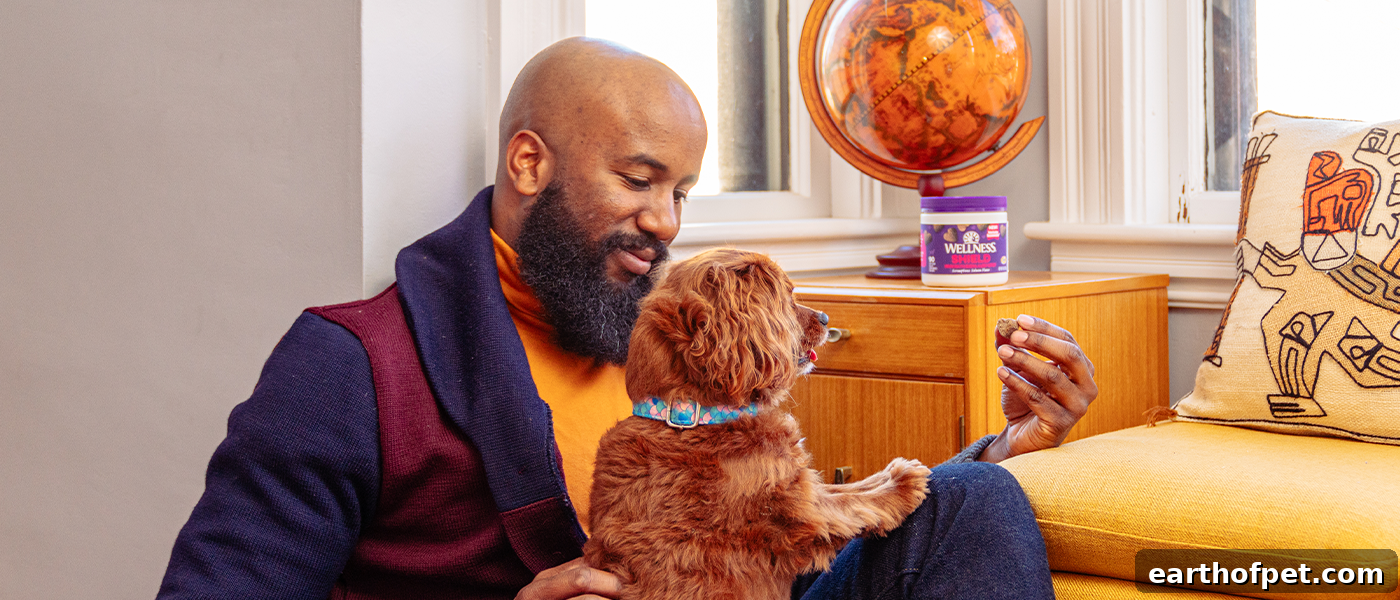
- Positive reinforcement – Use treats, praise, and play to reward behaviors you want to encourage. Treats help mark successes, especially during early training.
- Consistency – Everyone in the household should use the same commands and reward system. Consistent rules reduce confusion and speed learning.
- Break tasks into small steps – Teach one behavior at a time and keep training sessions brief to avoid overwhelming your dog.
- Basic skills – Focus on house training, recall, loose-leash walking, and crate or boundary training for safety and structure.
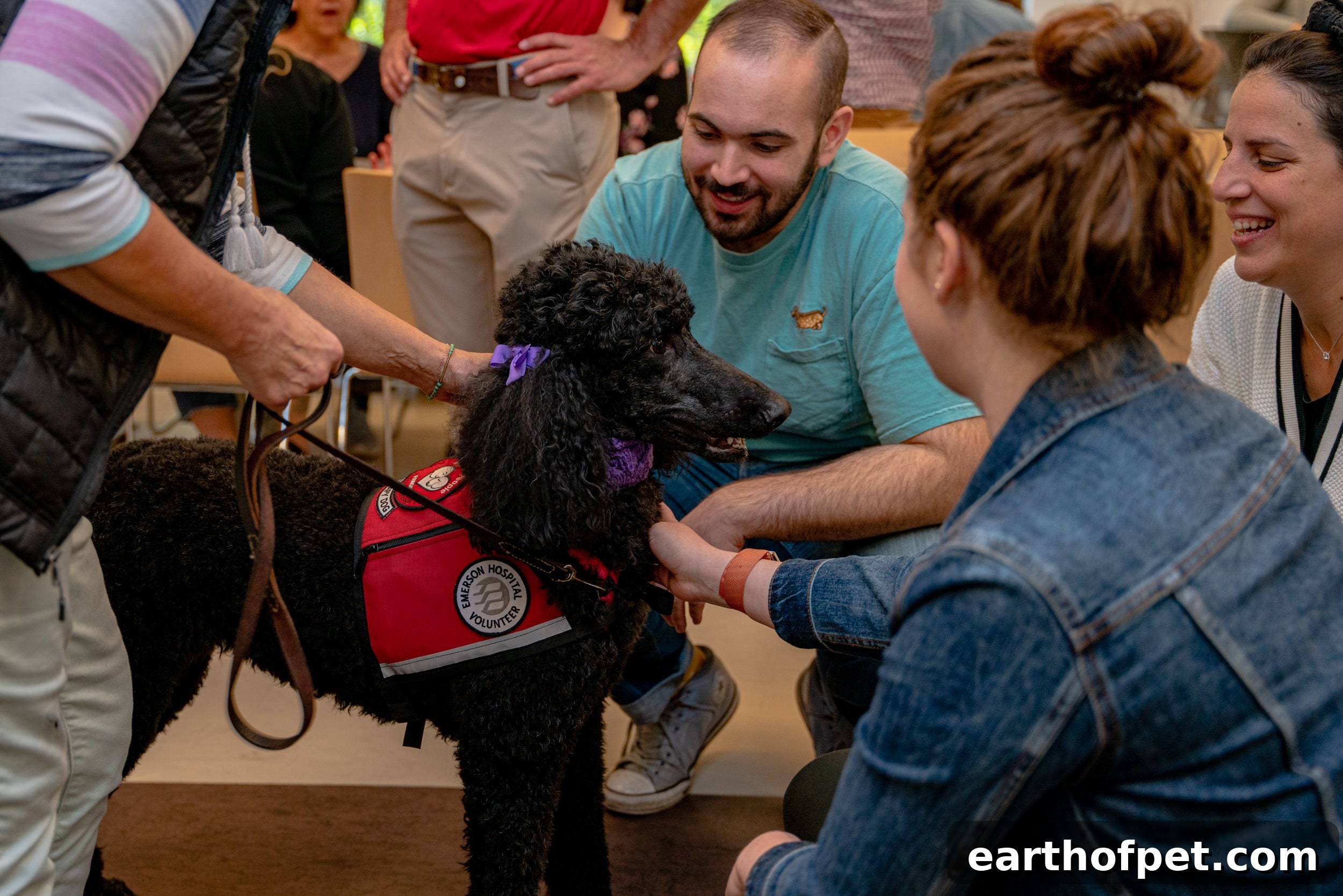
- Socialization – Expose your dog gradually to a variety of people, animals, sights, and sounds in a controlled, positive way to build confidence.
Feeding
Nutrition affects every aspect of your dog’s health—skin, coat, energy, digestion, and overall longevity. Choose a high-quality food formulated for your dog’s life stage (puppy, adult, senior) and specific needs. Look for products with clear ingredient lists and avoid diets with excessive fillers or artificial additives.

- Feeding schedule – Provide meals at roughly the same times each day. Regular mealtimes support digestive health and give dogs a predictable routine.
- Portion control – Follow feeding guidelines on the food label and adjust portions according to your dog’s activity level, age, and body condition to avoid overfeeding.
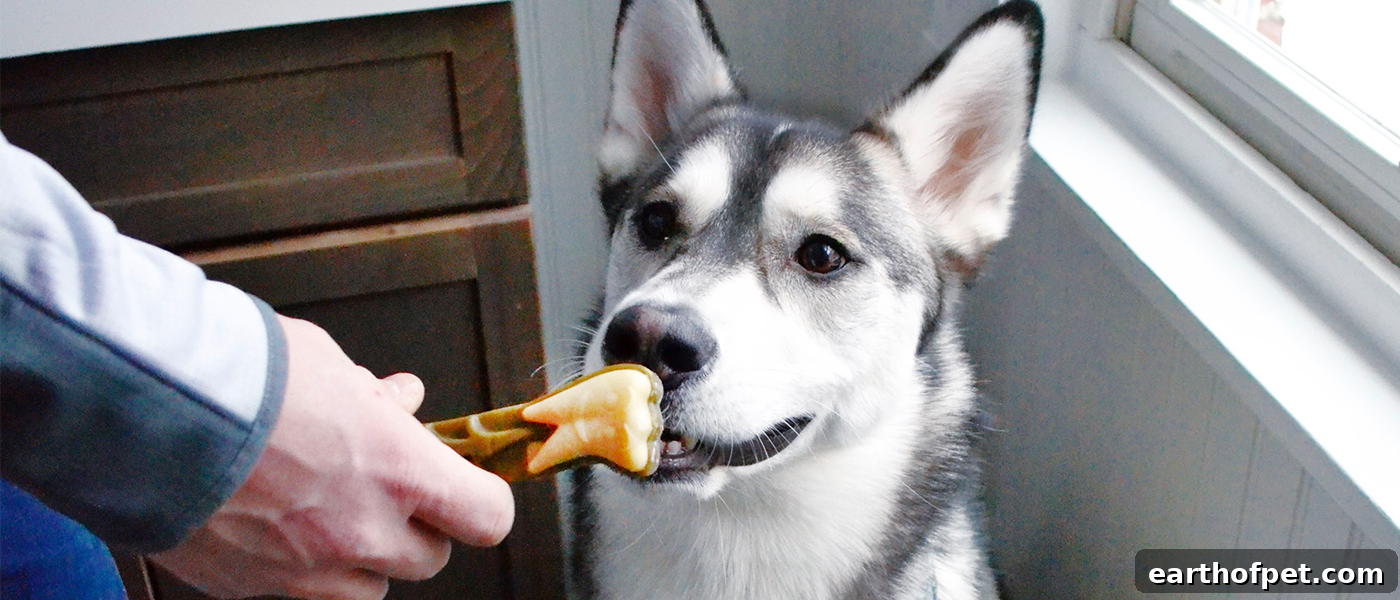
- Healthy treats – Use treats for training but account for them in daily calories. Choose nutritious options and avoid feeding toxic human foods like chocolate, grapes, onions, and xylitol-containing products.
Exercise
Exercise is critical for both physical and mental well-being. Activity needs vary by breed, age, and individual temperament: some dogs thrive on vigorous daily runs and play sessions, while others do well with a single, longer walk and moderate play. Regular exercise helps prevent obesity, reduces behavioral issues, and promotes a happier, calmer dog.

- Daily routine – Aim for consistent daily activity that matches your dog’s energy level. Puppies and high-energy breeds usually need more frequent, varied sessions.
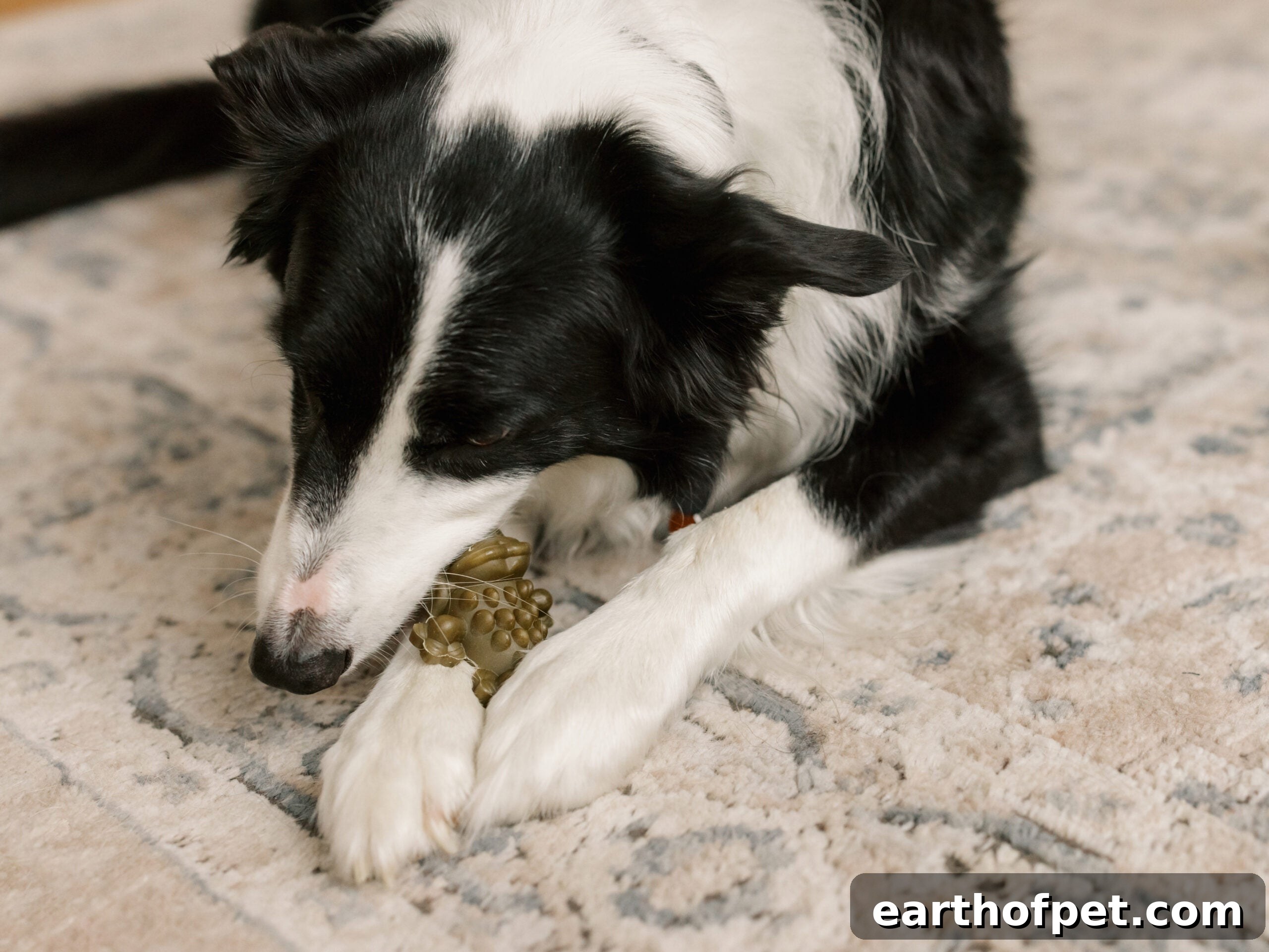
- Mental stimulation – Combine physical exercise with puzzles, training games, scent work, and interactive toys to keep your dog mentally engaged.
- Safe play – Monitor intensity and duration, especially in hot weather, and choose activities appropriate for your dog’s age and health.
Starting your new dog off with vaccinations, microchipping, consistent training, proper nutrition, and an appropriate exercise routine sets the foundation for a long, healthy relationship. With patience, routine, and care, you’ll raise a confident, well-adjusted companion who brings joy to your home every day.