As the back-to-school season approaches, many households are shifting back into routines. While this can be a positive change for families, it often causes stress for dogs who have become used to constant company. Dogs with separation anxiety can react strongly when left alone, displaying destructive behavior, persistent barking, pacing, or other signs of distress. With thoughtful planning, consistent practice, and the right tools—like a dog health monitor or smart collar—you can reduce your dog’s anxiety and make the transition smoother for everyone.
Recognizing Separation Anxiety in Dogs
It’s important to distinguish between normal boredom and true separation anxiety. A bored dog may get into minor mischief after a while, but a dog with separation anxiety typically becomes distressed shortly after you leave. Common signs include intense whining, prolonged barking, pacing, drooling, scratching at doors or windows, attempts to escape, or house soiling despite prior training.
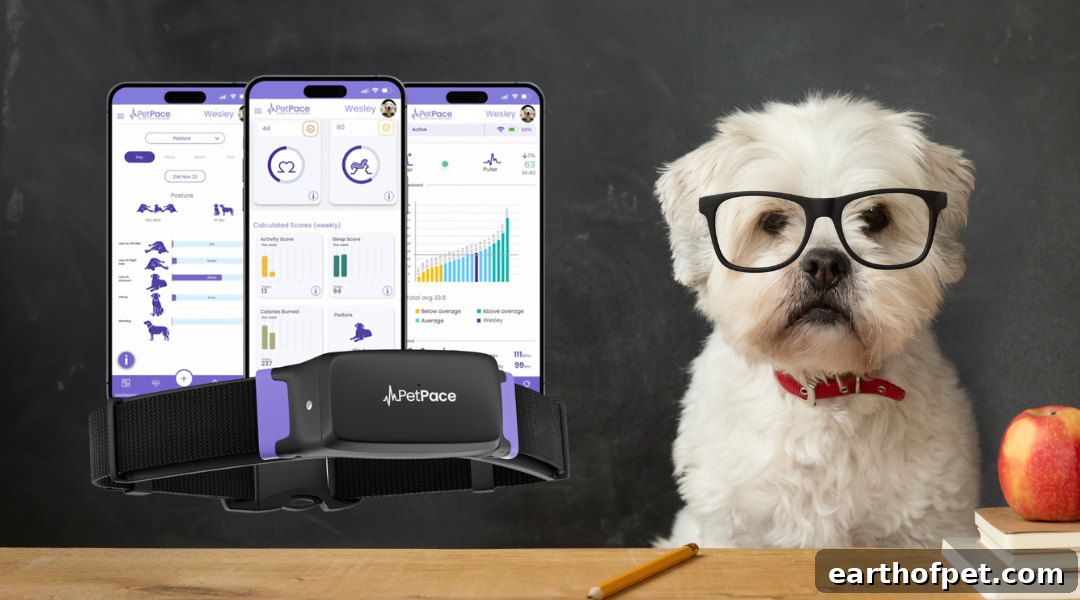
Monitoring your dog’s behavior over time helps determine whether the issue is boredom or anxiety. A pet monitoring system or smart dog collar can provide useful information—tracking activity patterns, restlessness, and physiological indicators like elevated heart rate—to help you understand how your pet copes when alone. These insights can guide your choice of strategies and help you measure progress.
Steps to Ease Separation Anxiety
1. Morning Exercise
Give your dog a good bout of exercise before you leave. A brisk walk, a game of fetch, or an energetic training session helps expend energy and promotes relaxation. Physical activity releases endorphins and can reduce stress, making it easier for your dog to settle when you’re away. Aim for a routine that fits your dog’s age and fitness level—puppies and senior dogs need different types and lengths of activity.
2. Provide Mental Stimulation
Mental engagement is as important as physical exercise. Puzzle toys, treat-dispensing toys, interactive feeders, and chew-safe long-lasting treats can keep your dog occupied and focused on a positive task. Rotating toys so they remain novel and combining food puzzles with short training games before departure will create stronger, calmer associations with alone time.
3. Gradually Increase Alone Time
Desensitization works well for many dogs. Start with very short absences—just a few minutes—then gradually lengthen the time you are out of sight. Practice leaving the house multiple times a day in short intervals, rewarding calm behavior on your return. Consistency and small, incremental increases help your dog learn that departures are temporary and that you always come back.
4. Create a Calming Environment
Make the space where your dog stays comfortable and secure. Leave an item with your scent, set up a cozy bed, and control environmental stressors such as loud outside noises. Soft music or white noise can mask startling sounds, and pheromone diffusers or calming sprays may help some dogs feel more relaxed. Keep water accessible and consider a safe, confined area if it reduces anxiety—many dogs feel more secure in a den-like space.
5. Switch Up Your Routine
Dogs quickly learn the cues that signal your departure, such as grabbing keys or putting on shoes. To avoid triggering anxiety, vary your pre-departure routine: pick up your keys and sit down, or put on shoes and then do something else. Randomizing cues teaches your dog that those actions don’t always mean you’re leaving, breaking the strong association between routine signals and separation.
6. Use Technology to Monitor Their Behavior
Smart collars and pet cameras can be invaluable for monitoring stress and activity levels while you’re away. These devices offer real-time insights that help you identify peak stress times, evaluate the effectiveness of calming strategies, and know when intervention is needed. Video monitoring also allows you to assess triggers in the home environment so you can address them directly.
7. Build Confidence with Training
Training builds confidence and strengthens your dog’s coping skills. Practice basic obedience and self-control exercises—“sit,” “stay,” and “settle”—rewarding calm behavior. Work on leaving-and-returning drills where you step out briefly and come back, gradually increasing the duration. Positive reinforcement, consistency, and short, encouraging sessions are key to helping your dog develop patience and trust.
What to Avoid
When you find damage or messes after returning home, avoid punishing your dog. Punishment can increase fear and worsen anxiety, because your dog cannot connect the correction with the earlier behavior that happened while you were away. Instead, focus on prevention—provide appropriate outlets for energy, use management tools, and reinforce calm behavior. If accidents or destructive behaviors occur, treat them as signs your plan needs adjustment rather than willful disobedience.
Conclusion
Transitioning back to school or work doesn’t have to mean increased stress for your dog. By recognizing the signs of separation anxiety, providing physical and mental outlets, gradually training for independence, and using monitoring tools to guide your approach, you can reduce your dog’s distress and improve their comfort when alone. If symptoms persist or are severe, consult your veterinarian or a certified animal behaviorist for personalized guidance. With patience, consistency, and the right strategies, most dogs learn to cope with alone time and return to a calmer, more balanced routine.