Bringing a new kitten into your home is an exciting time filled with play, cuddles, and discovery — but it can also bring worry, especially if your kitten isn’t eating well. Finding the right bed, toys, feeding area, and scratching posts is part of helping a kitten settle in, yet appetite issues remain one of the most common concerns new owners face. This article explains common reasons a kitten might not eat and offers practical steps you can take to encourage healthy eating, support growth, and protect your kitten’s health.
Why Is My Kitten Not Eating?
1. Health check
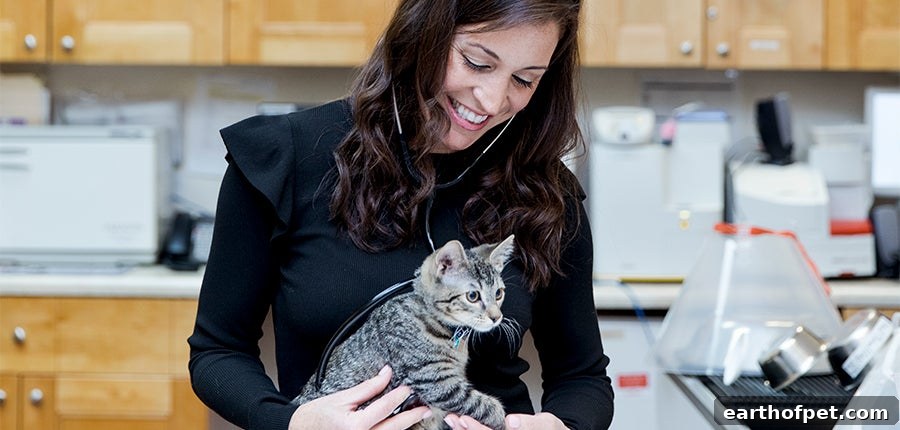
A sudden decline or loss of appetite can be an important sign of illness. Dental pain, gastrointestinal upset, upper respiratory infections, parasites, and other medical issues can all reduce a kitten’s desire to eat. The most important first step is to have a veterinarian examine your kitten to rule out medical causes. Early diagnosis and treatment not only restore appetite but also increase the chance your kitten will thrive long-term.
2. Consider the kitten’s age and nutritional needs
Kitten age strongly influences how much and how often they should eat. Very young kittens have small stomachs and need nutrient-dense, balanced food in smaller, more frequent portions. Growth is not linear — kittens go through spurts and slower periods — so weekly or biweekly weight checks help determine whether growth is on track. Monitoring weight is also important because overly rapid weight gain can predispose to obesity, while slow growth can indicate a health or nutrition problem. If you are unsure whether your kitten is growing appropriately, consult your veterinarian for guidance.
3. Stress and changes in the environment
Kittens are sensitive to change. Moving to a new home, meeting new people or animals, recent vaccinations, or procedures like spay/neuter can temporarily reduce appetite. Most kittens will eat normally again within a day or two as they settle. Provide a calm, quiet space that is warm, draft-free, and low-traffic so your kitten can relax and acclimate. Keep feeding and water areas consistent and monitor intake and weight closely; prolonged lack of appetite or ongoing signs of stress warrant a veterinary visit.
Recommendations for a comfortable, appetite-friendly environment:
- Safe sleeping area and clean bowls – Offer a cozy, low-noise sleeping spot and make sure fresh water and clean food dishes are always available. Provide a balanced kitten diet appropriate for growth and try both wet and dry formats to see what your kitten prefers.
- Appropriate litterbox – Use a suitably sized, easily accessible litterbox. Many kittens prefer unscented, clumping litter, but preferences vary, so be prepared to experiment.
- Scratching options – Provide posts at different heights and textures (rope, cardboard, carpet). Sturdy posts let kittens stretch fully and help protect furniture while supporting normal behavior.
- Toys and safe storage – Offer a variety of toys that encourage pouncing and play. After play, store small or easily swallowed toys to reduce the risk of ingestion and obstruction, which can cause sudden loss of appetite and is an emergency.
4. Food transitions and picky eating
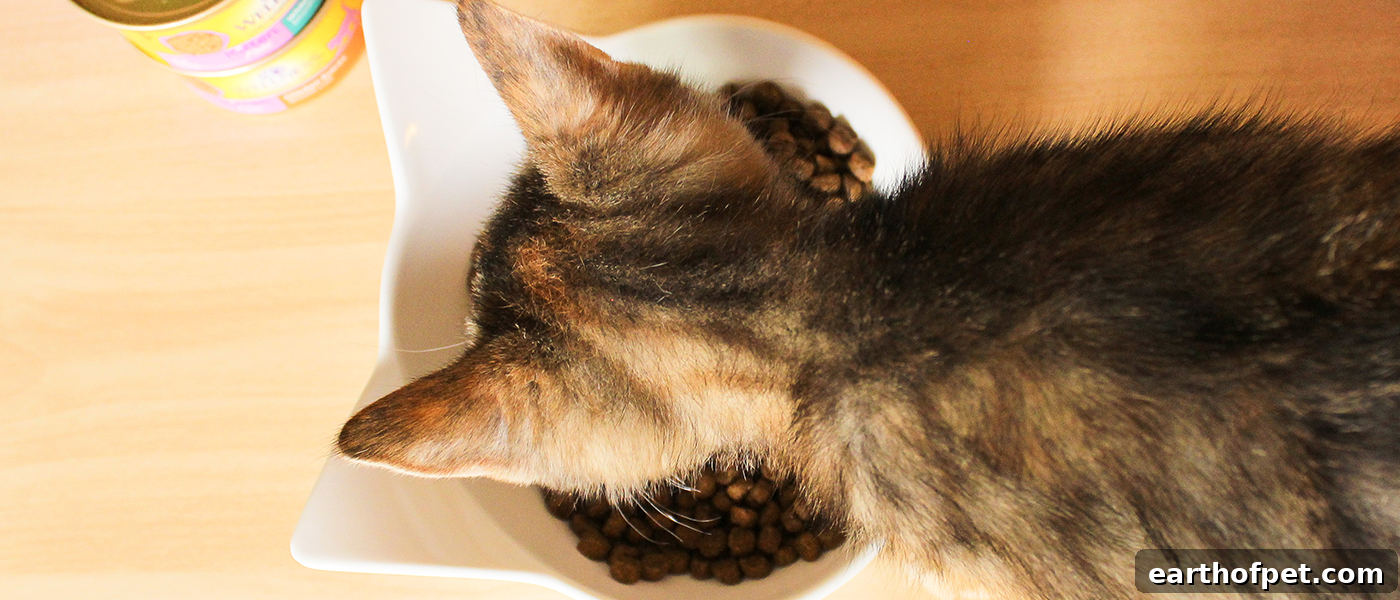
Cats can be neophobic — wary of new foods — so a kitten that has only tasted one type or flavor may be reluctant to accept something different. When introducing a new diet or flavor, do so gradually by mixing increasing amounts of the new food with the old over several days. Try different textures (pate, minced, chunks in gravy, dry kibble) and slightly warm wet food to enhance aroma. Offering a variety of safe, high-quality kitten-formulated foods helps kittens become adaptable eaters and makes it easier to identify preferred flavors and formats.
5. Practical tips for nutritional success
Whether your kitten is very young or already spayed/neutered, building a solid nutritional foundation is essential. Feed a complete and balanced diet formulated for growth, and monitor body condition and weight as your kitten develops. Small steps that often help include warming wet food slightly (ensure no hot spots), offering food on different types of dishes (some cats prefer shallow, flat plates to avoid whisker stress), and trying stainless steel or ceramic bowls if plastic seems to put the cat off. A little trial and error is normal when finding what works best for your home and your kitten.
If appetite problems persist despite a calm environment and food experimentation, schedule a veterinary visit promptly. Persistent poor appetite can be a sign of an underlying medical issue that needs timely evaluation and treatment.