As the holiday season approaches, homes fill with lights, decorations, family and cheer. While celebrating, it’s important to make the season safe and comfortable for every family member—pets included. The following practical, pet-focused tips will help you create a festive environment that protects curious cats, playful dogs, and other companion animals from common seasonal hazards.
From decoration choices to food safety and stress management, these guidelines will help you enjoy the holidays while keeping your pets healthy and secure.
Pet-Safe Decor
Choose decorations with pet safety in mind. Tinsel and stringy ornaments attract cats and can cause intestinal blockages if swallowed, so avoid them or place them well out of reach. Keep ribbons, bows and similar items stored safely or disposed of in a covered bin to reduce choking risks.
Place fragile glass, aluminum or thin paper ornaments on higher tree branches to minimize the chance of breakage and injury from sharp shards. Keep snow globes and other small, liquid-filled items away from pets: the fluids they contain can be harmful if ingested.

Lights and Pet-Friendly Flames
Electrical cords and holiday lights can tempt chewers and cause shocks or burns. Use cord protectors, secure loose wiring out of reach, or consider battery-operated LED lights as a safer option. Always unplug lights before leaving the house or going to bed.
Candles create ambiance but also pose a fire and burn risk. Never leave open flames unattended, and position candles where pets can’t reach them, even if you’re supervising. Consider flameless LED candles as a safer alternative that still provides a warm glow.
Christmas Tree and Holiday Plants
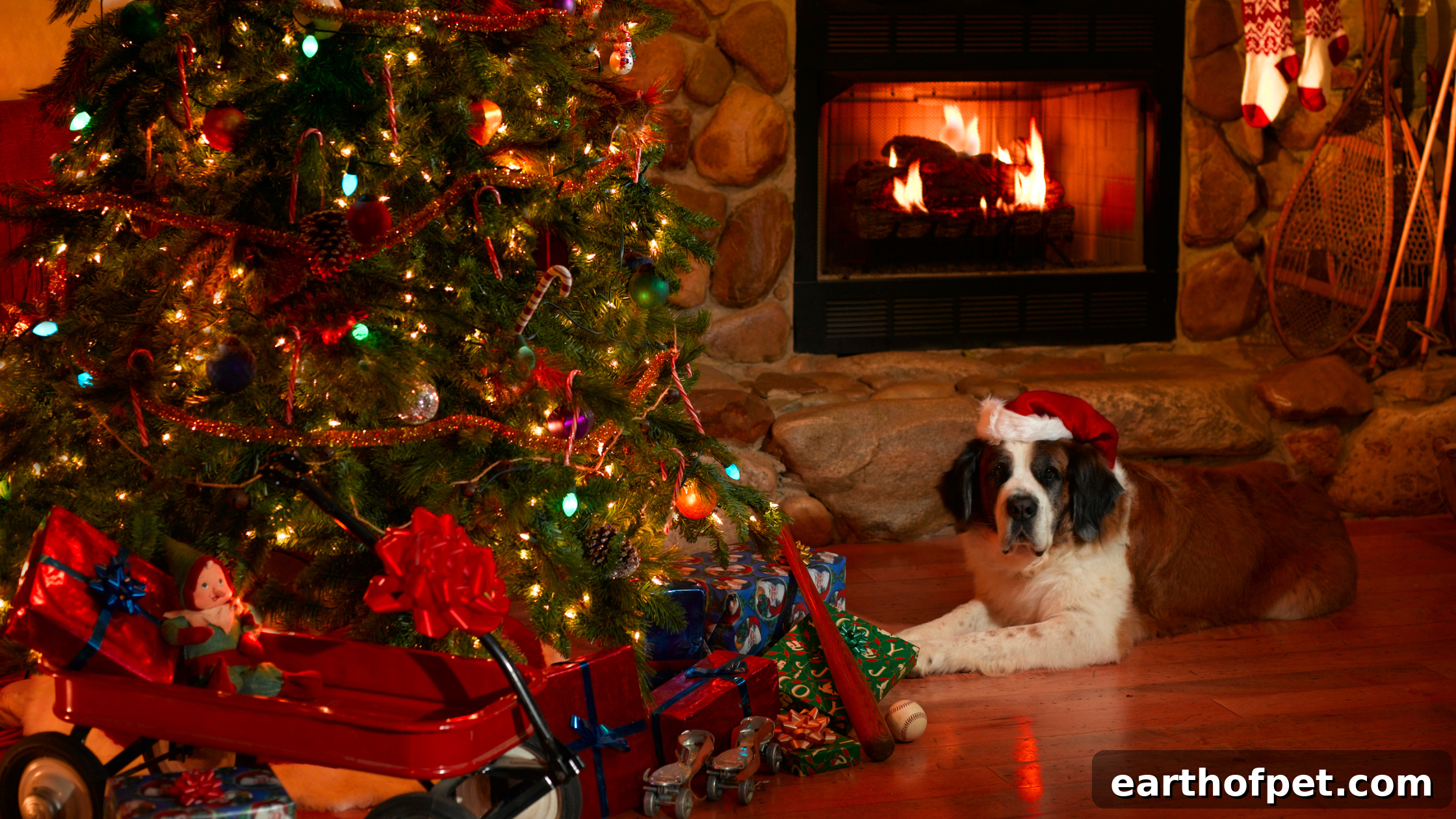
Anchor your tree securely to prevent it from tipping if a pet jumps or climbs. Pine needles and tree water can irritate a pet’s mouth or stomach if chewed, so keep an eye on curious animals and regularly remove loose needles from floors.
Many seasonal plants are toxic to cats and dogs—lilies, hyacinths, tulips, amaryllis, poinsettias and mistletoe can cause reactions ranging from mild upset to serious illness. Opt for pet-safe plants and decorations, such as a Christmas cactus or other non-toxic alternatives, and keep potentially harmful flora well out of reach.
Holiday Food Safety
Traditional holiday foods can be dangerous for pets. Chocolate, foods containing xylitol, grapes and raisins, macadamia nuts and rich scraps with bones or excess fat can cause poisoning, pancreatitis or blockages. Keep food off counters and tables, and secure trash bins with lids to prevent scavenging.
Alcohol should never be available to animals—keep glasses and bottles out of reach. Be cautious about leaving leftovers where pets might access them, and dispose of food waste before leaving your home unattended.

Provide Quiet Time and a Safe Space
The holidays can be noisy and chaotic, which stresses some pets—especially timid cats, rabbits or anxious dog breeds such as Spanish Galgos. Create a quiet retreat with a comfortable bed, favorite blanket and water where your pet can relax away from guests and loud activities. For very anxious animals, a crate or carrier might be a comforting safe haven when placed in a quiet room.
Consider the timing of festivities: allow pets time to exercise before guests arrive and offer mental stimulation with toys or food puzzles so they’re less likely to react to surprises. Monitor your pet’s body language and remove them from the situation if they show signs of stress.
Technology for Added Peace of Mind
Modern pet health and activity monitors can help you keep tabs on your pet’s well-being during busy holiday periods. Devices such as health-tracking collars provide real-time data on activity levels and vital signs, and can alert you to unusual changes that may warrant attention. While not a substitute for veterinary care, these tools give owners extra reassurance when routines change and the household grows busier.
If you use a pet health tracker, check its setup and battery before guests arrive so it’s ready to monitor activity throughout the celebrations. Regular monitoring can help you notice subtle signs of discomfort, stress or unusual behavior that may otherwise go unnoticed during the holiday bustle.
Final Thoughts
With forethought and a few adjustments, the holidays can be joyful and safe for your pets. Opt for pet-safe decorations, secure trees and fragile items, guard food and trash, and provide a quiet retreat for anxious animals. Combining these sensible precautions with the support of modern monitoring tools can keep your season merry, bright and secure for every member of your household.
Wishing you and your pets a safe, peaceful and happy holiday season.