Why the “Step Count” is a Dangerous Metric for Your Dog’s Health
As a devoted dog owner, you know your pet’s personality, quirks, and routines better than anyone. You recognize their eager tail wag, favorite treats, and preferred spot on the couch. But one critical aspect of their wellbeing is invisible to the eye: physiological stress.
When a dog begins to move less, many of us explain it away: “They’re getting older,” “They had a big day,” or “They’re just a little lazy.” The truth is that by the time a dog limps, whines, or refuses to move, the underlying condition has often been present for days or even weeks. In clinical terms, a drop in visible activity is typically a lagging indicator—it signals that a problem has already progressed.
You shouldn’t have to wait for obvious signs to take action. Early detection of internal changes can make the difference between routine care and emergency treatment, and between prolonged discomfort and a quick recovery.
The Myth of the “Active” Dog
Many smart collars on the market function primarily as pedometers. They count steps, estimate distance, and log “active minutes.” While those metrics are engaging for owners, they reveal very little about what is happening inside a dog’s body.
A dog with early heart disease, arthritis, or another developing condition can still meet its daily step target by compensating or pushing through discomfort. That makes step counts an unreliable measure of true health.
Monitoring internal signals is different. Tracking subtle biometric changes—before behavior changes—lets you detect problems earlier. Biometric monitoring focuses on leading indicators: the small, measurable shifts in heart rate, breathing, and posture that precede overt symptoms.
The “Deep Sleep” Deception
To the casual observer, a dog that moves in its sleep is simply shifting positions. To sensitive sensors, those movements and the body’s rhythms during rest reveal a deeper story about comfort, pain, and physiological stress.
- Heart Rate Variability (HRV): HRV measures the variation in time between heartbeats and is a well-established marker of autonomic nervous system balance. A sustained drop in HRV while a dog is resting can indicate internal stress even when the animal appears calm.
- Respiration Quality: Continuous monitoring of breathing patterns can reveal early cardiac or respiratory changes. Subtle increases in respiratory rate or irregular breathing during sleep are often among the first signs of trouble.
- Postural Shifts: Tracking how a dog sits, stands, and lies down helps detect difficulty finding a comfortable position. Repeated repositioning or stiffness can signal joint pain, abdominal discomfort, or other problems before they become obvious.
7,000 Data Points: The Science of Certainty
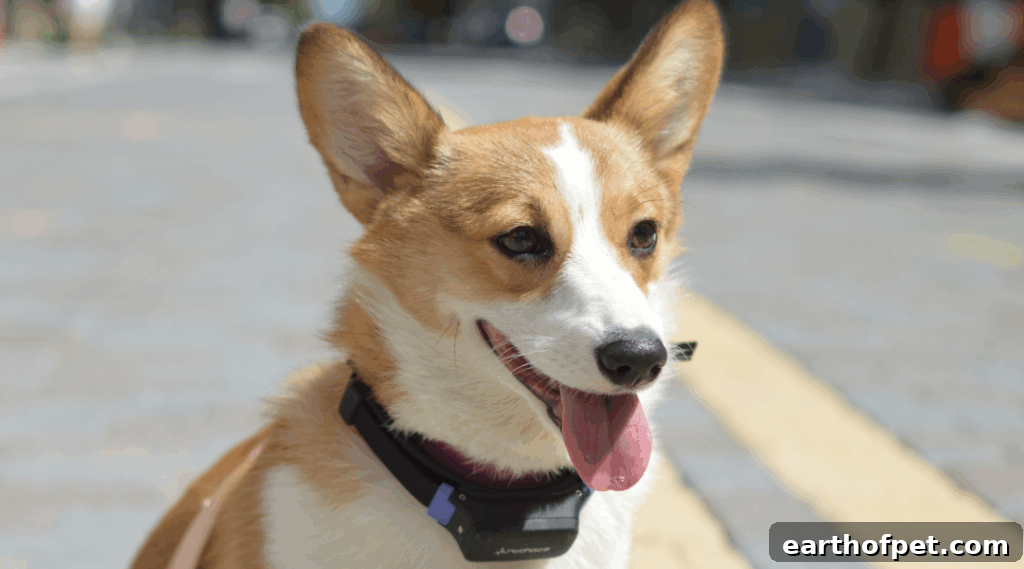
Rather than logging a single “rest period,” advanced collars analyze the nuance of each moment of rest and activity. One system collects over 7,000 data points per day, capturing a high-resolution view of your dog’s physiology. That data is used to build a unique biometric profile for each pet, learning what normal looks like for a senior Labrador versus a young Greyhound.
Clinically validated: The algorithms behind these systems have been independently evaluated by researchers at institutions such as Tufts University and North Carolina State University, confirming careful calibration and useful clinical correlations. Reliable sensor data makes monitoring practical both in a hospital setting and at home.
The Value of the Head Start
The critical window between when a dog first experiences physiological changes and when they visibly show pain is where proactive monitoring pays off. Detecting a micro-deviation in heart rate, a subtle change in breathing, or a shift in posture today can prevent an emergency or reduce the severity of a flare-up later.
Early detection supports more targeted veterinary care, often lowering medical costs and improving long-term outcomes. Most importantly, it helps ensure more comfortable, happier days for your companion.
Don’t rely only on step counts. Understand the underlying health signals.
If you’re concerned about your dog’s wellbeing, discuss biometric monitoring and early-detection tools with your veterinarian to determine the best approach for your pet.