How can you tell if your dog is happy when you’re not at home? As a caring pet parent, you want reassurance that your dog is comfortable, relaxed, and safe while you’re away. That joyful, wagging greeting when you return is a great sign—but what does your dog do for the hours in between? Do they sleep peacefully, chase imaginary prey in their dreams, or pace and shake by the window? Understanding those behaviors helps you keep them healthy and emotionally secure.
Why It Matters to Know What Your Dog Does Alone
Curiosity is natural, but knowing your dog’s behavior when alone also helps you spot problems early. Urinary accidents, destructive behavior, or persistent pacing can signal separation anxiety or an underlying medical issue. Identifying whether an incident happens immediately after you leave or several hours later can help distinguish behavioral triggers from health concerns. If your dog is part of your family, you deserve to know they are content and safe when you can’t be there.
How to Tell if Your Dog Is Happy
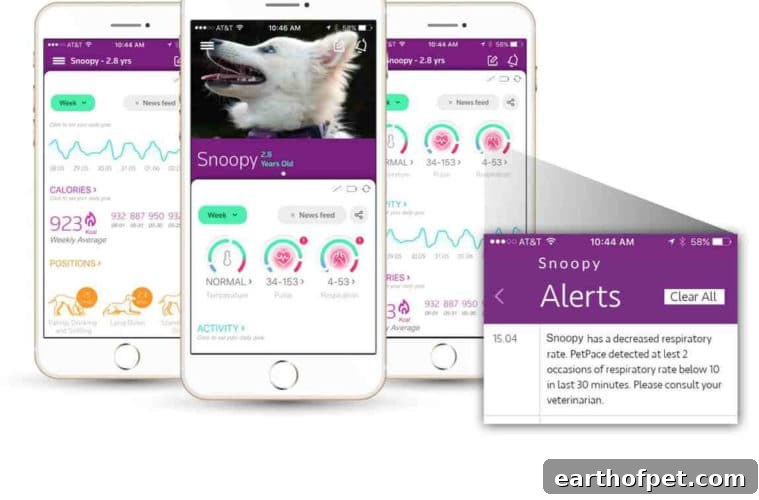
Dogs express emotions through body language and physiological signs. You likely recognize a relaxed face, open mouth, soft eyes, and a wagging tail as happiness. Beyond visible cues, internal indicators such as heart rate, respiratory rate, heart rate variability (HRV), activity patterns, and body position offer a reliable window into mood and well-being. Wearable monitors like the PetPace collar track these signals continuously, giving you objective data about your dog’s emotional and physical state while you’re away.
Vital Signs of a Content Dog
A happy, relaxed dog left alone will usually settle and sleep deeply. Key signs of calm include steady, slow heart and respiratory rates and long periods of restful posture—curling up or lying in one spot for several hours. With a monitoring app, you can check these metrics in real time from your phone. If you suspect separation anxiety, these readings reveal whether your dog is truly settled or stressed when you’re gone.
Signs a Dog Is Stressed or Anxious
A stressed dog typically shows elevated heart and respiratory rates and reduced HRV. Behaviorally, they may pace, vocalize, or display repetitive motions. A dog that sits motionless but has a racing heart is not relaxed; they are likely anxious or frightened. Continuous tracking helps you spot patterns that matter:
- How long did the dog pace?
- At what point did they finally settle?
- Did they rest briefly and then get up again out of boredom?
These details guide effective solutions. For example, if your dog is calm for the first three hours after you leave but becomes destructive later, a simple change—such as shifting a dog walker’s visit earlier—can prevent stress-related behavior and preserve your home.
Emotional Happiness and Physical Well-being — Monitoring tools track emotional signals and physical health together. The app’s clear visual summaries let you see current and historical trends at a glance, and you can receive alerts if something unusual occurs. This is especially valuable for owners of pregnant, elderly, or medically fragile dogs who need closer observation when you’re not by their side. Examples of helpful alerts include:
- Increased activity: Could indicate persistent itching or discomfort from allergies needing attention.
- Gradual rise in heart and respiratory rates: May point to worsening heart or respiratory conditions that require veterinary review.
- Clusters of unusual activity: Might signal seizure activity in dogs with epilepsy.
Not All Trackers Are the Same
Many tracker apps focus solely on location and basic activity, which is useful if your dog tends to escape. However, most pets spend far more time at home than roaming. A tracker that also monitors vital signs and behavior offers far more insight into your dog’s wellbeing and reduces the uncertainty that comes with leaving them alone. By combining location, activity, and physiological data, you get a fuller picture of how your dog is coping, helping you take smarter, faster action when needed.
How to tell if your dog is happy? Look for relaxed body language, steady vital signs, and consistent restful periods. If you want continuous, objective feedback while you’re away, technology such as a health-monitoring collar and companion app can give you the clarity and peace of mind every devoted pet owner wants.