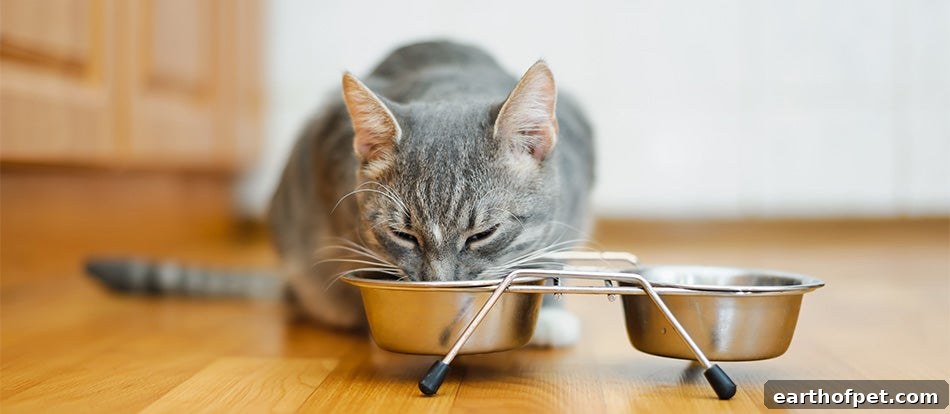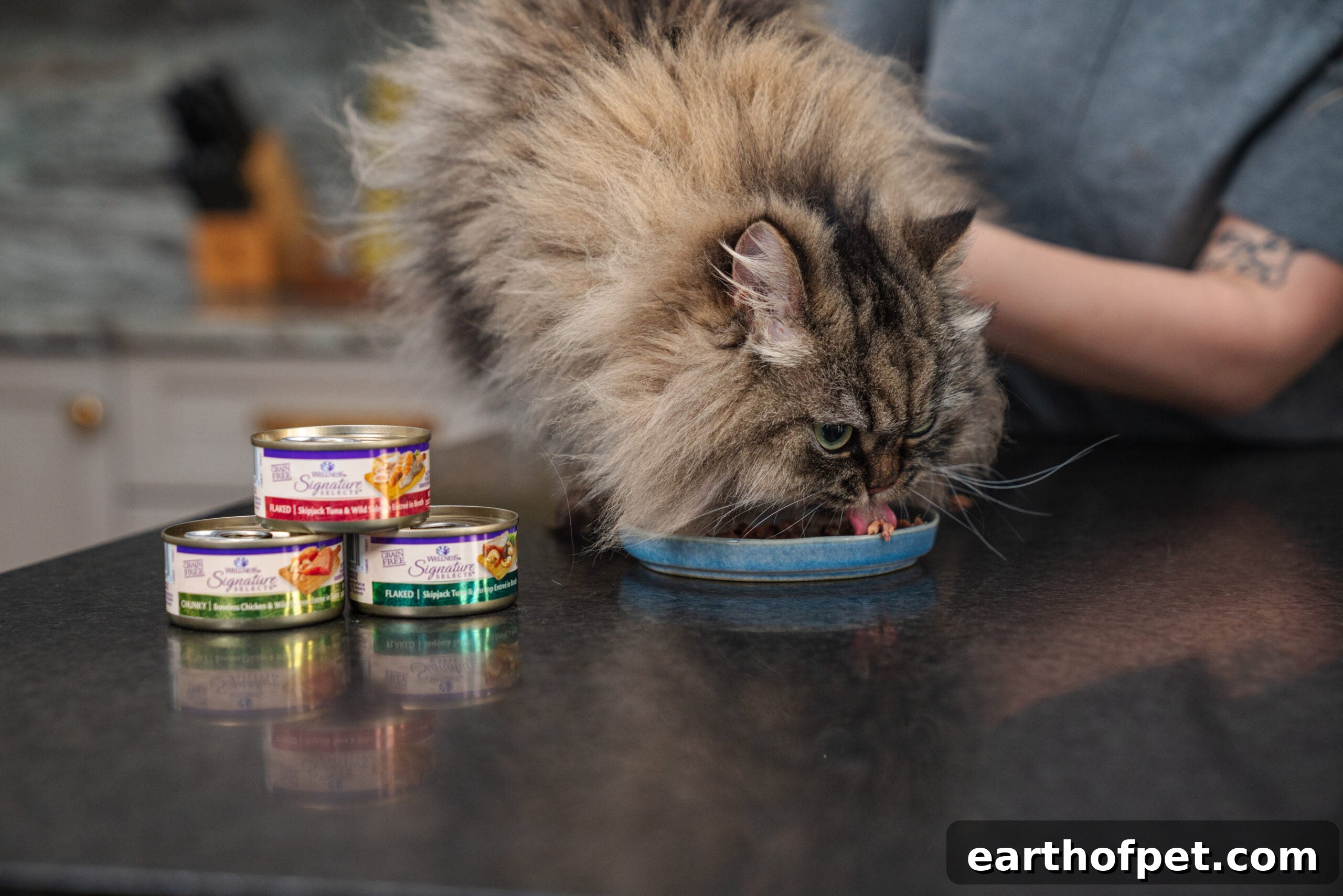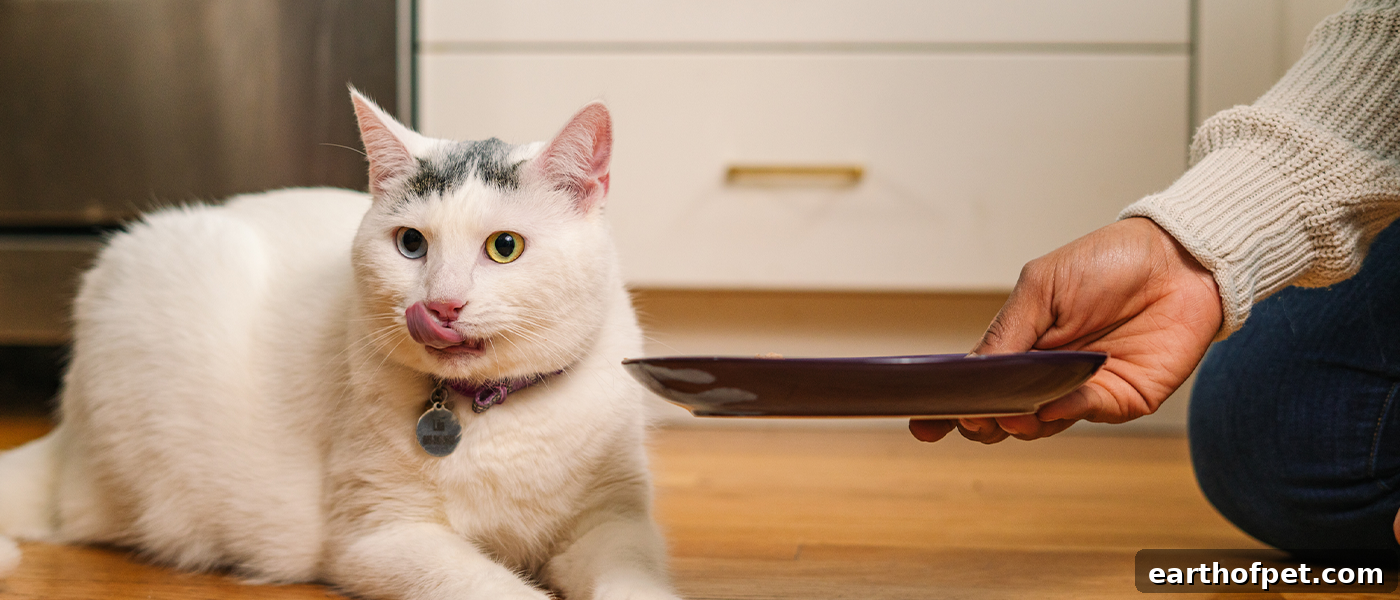
Cat owners adore their companions, but they also know how particular cats can be. Felines prefer routine and will let you know when something—especially their food—has changed. Switching a cat’s diet doesn’t have to be stressful for you or your pet. With a calm, gradual approach and a few practical strategies, you can move between wet and dry formulas without upsetting your cat’s appetite or digestive system. This guide explains how to transition both from wet to dry food and from dry to wet food, plus helpful tips to make the change smooth and safe.
Transitioning from Wet to Dry Cat Food
Moving a cat from wet to dry food can feel challenging because wet food typically has a softer texture and higher fat content, which many cats prefer. The goal is to introduce the new dry food gradually so your cat has time to accept the taste and texture without digestive upset. Follow these steps and adjust the pace if your cat shows signs of discomfort.
The basic transition plan is to blend the old and new foods and slowly shift the ratio over about a week to ten days:
- Choose a dry formula with a similar protein source to the wet food your cat already likes. Similar ingredients make the change more acceptable.
- Start by placing a small portion of the dry food in the bowl mixed into the wet food or beneath it so the cat has to sample the new kibble rather than eating only the familiar wet food.
- Increase the share of dry food gradually. Aim to begin with no more than 25% dry food, then raise the proportion by about 10% each day while reducing the wet food proportion. Adjust more slowly for seniors or cats with health concerns.
- Day 1: 75% old / 25% new
- Day 2: 65% old / 35% new
- Day 3: 50% old / 50% new
- Day 4: 40% old / 60% new
- Day 5: 30% old / 70% new
- Day 6: 20% old / 80% new
- Day 7: 10% old / 90% new
- Day 8–10: Full transition if your cat is tolerating the change; otherwise slow the progression.
Helpful techniques to ease the switch:
- Soften the kibble with a little warm water. This replicates the mouthfeel of wet food and can make dry food more appealing. Gradually reduce the added water as your cat accepts the kibble.
- Add a tasty, nutritious topper such as CORE Simply Shreds (used as a flavor enhancer, not a replacement) to entice your cat to eat the dry food and to provide extra palatability.
- Offer a few pieces of the kibble by hand or use the new dry food as occasional treats. Familiarizing your cat with the flavor outside of mealtime can reduce resistance.
Be patient and monitor appetite, stool quality and energy. If your cat shows persistent vomiting, diarrhea, or loss of appetite, pause the transition and consult your veterinarian.
Transitioning from Dry Cat Food to Wet Cat Food
Switching from dry to wet food is often easier because many cats find wet food more palatable. Wet food offers higher moisture content, which supports hydration, and can be better suited for kittens, senior cats, and cats that need additional fluid intake. Still, change it slowly to avoid stomach upset and to ensure the new recipe matches your cat’s dietary needs.
Use the same gradual schedule as above over 7–10 days, starting with a small percentage of wet food mixed into the dry and increasing the wet portion daily:
- Pick a wet formula with a similar protein profile to the dry food so the flavors are familiar.
- Begin with approximately 25% wet mixed into 75% dry and increase the wet proportion by about 10% each day, monitoring your cat’s response.
- Day 1: 75% old / 25% new
- Day 2: 65% old / 35% new
- Day 3: 50% old / 50% new
- Day 4: 40% old / 60% new
- Day 5: 30% old / 70% new
- Day 6: 20% old / 80% new
- Day 7: 10% old / 90% new
- Day 8–10: Full transition as tolerated by your cat.
Because wet recipes may be higher in fat, choose a formula appropriate for your cat’s life stage, body condition and health status. Discuss weight control, kidney health or other specific concerns with your veterinarian when selecting a wet food.
Important Reminders When Changing Diets
Changing a cat’s diet requires patience. Moving too quickly can cause diarrhea, vomiting or a temporary loss of appetite. For senior cats or animals with digestive sensitivities, the transition can take up to two weeks or longer. Key points to keep in mind:
- Go slowly and watch for changes in stool, vomiting, appetite and behavior.
- If your cat refuses the new food, slow the pace or try different textures and protein sources that are closer to the original diet.
- Always consult your veterinarian about major diet changes, especially for cats with health conditions, special nutritional needs or those on prescription diets.
With a thoughtful, gradual approach and attention to your cat’s reactions, switching foods can be a stress-free process. Give your cat time to adjust, use palatable aids when needed, and lean on your veterinarian’s guidance to keep the transition safe and successful.
Note: Check with your veterinarian for personalized advice before making significant changes to your cat’s diet.