How to Train Your Dog to Sit: a Comprehensive Guide
Training your dog to sit is one of the most fundamental and essential commands you can teach. Not only is it a great way to establish communication between you and your furry friend, but it also lays the foundation for more advanced training. Whether you're a first-time dog owner or have had many dogs before, this guide will walk you through the steps to effectively teach your dog to sit.
Why Teaching Your Dog to Sit is Important
Before we delve into the training process, let's discuss why teaching your dog to sit is essential:
- Basic Obedience: Sit is one of the first commands taught because it helps manage your dog's behavior in various situations.
- Safety: Teaching your dog to sit can prevent them from running into dangerous situations, like traffic or other animals.
- Socialization: A well-trained dog is easier to manage around other people and animals, leading to better social interactions.
- Enhances Communication: This command improves the communication between you and your dog, fostering a strong bond.
Getting Started
Before starting training, there are a few things you need to gather:
- Treats: Find some tasty treats that your dog enjoys. These will be used as positive reinforcement during training.
- Quiet Environment: Choose a distraction-free area to ensure your dog can focus on you and the training.
- Patience: Training takes time, so be patient and consistent with your dog.
The Step-by-step Process to Teach Your Dog to Sit
Now that you have everything in place, it’s time to start training. Follow these steps to teach your dog to sit:
Step 1: Get Your Dog's Attention
Start by getting your dog’s attention. Call them over to you and use their name to ensure they are focused on you.
Step 2: Use a Treat to Lure Your Dog
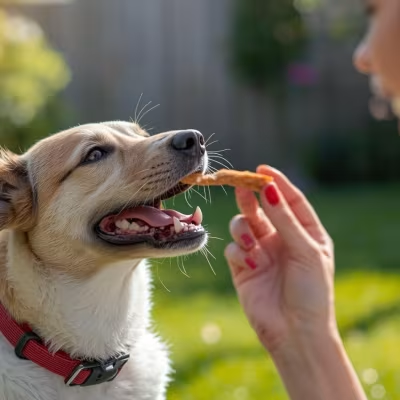
Hold a treat close to your dog's nose, allowing them to sniff it. Gradually move your hand upwards, so their head follows the treat. As their head goes up, their rear will naturally lower, putting them in a sitting position.
Step 3: Say the Command
Once your dog is in a sitting position, say “Sit” clearly and firmly. It’s essential to use the same word every time to avoid confusion.
Step 4: Reward Immediately
As soon as your dog sits, praise them enthusiastically and give them the treat. This positive reinforcement will help them associate the command with the action.
Step 5: Repeat the Process
Repeat this process several times. Consistency is key. Use short training sessions, around 5-10 minutes, to keep your dog engaged.
Step 6: Introduce the Hand Signal
Once your dog consistently sits with the verbal command, introduce a hand signal. You can raise your hand, palm up, or use any gesture that makes sense for you. Use the hand signal along with the verbal command.
Step 7: Practice Without Treats
As your dog becomes more comfortable with the command, slowly start reducing the frequency of treats. However, always provide praise when they follow your command correctly. This will encourage them to continue obeying the command even without food rewards.
Common Mistakes to Avoid
While training your dog to sit, avoid these common mistakes:
- Inconsistency: Use the same command word and hand signal every time. Inconsistency can confuse your dog.
- Rushing the Process: Allow your dog to learn at their own pace. Every dog is different, and some may take longer to understand.
- Negative Reinforcement: Avoid scolding your dog if they don’t sit immediately. This can create fear and anxiety around training.
When to Train
Timing is crucial in training your dog to sit. Here are some tips on when to train:
- Avoid Distractions: Train when your dog is calm and there are minimal distractions around.
- After Exercise: Training sessions after physical activity can help your dog focus better.
- Short Sessions: Keep training to short, frequent sessions instead of long ones to maintain interest.
Advanced Tips for Effective Training
To ensure your training sessions are as effective as possible, consider these advanced tips:
- Gradually Add Distractions: Once your dog has mastered the sit command in a quiet setting, introduce distractions gradually, such as other pets or people.
- Practice in Different Locations: Train your dog in different environments, like the park, to help generalize the command.
- Use a Clicker: If you’re familiar with clicker training, use a clicker to mark the desired behavior, followed by a treat.
Age Considerations
Your dog’s age can play a significant role in how quickly they learn to sit:
- Puppies: Young puppies have short attention spans, so keep training sessions brief and fun. Start as early as 8 weeks old.
- Adult Dogs: Adult dogs may take a little longer to learn if they have developed bad habits, but with persistence, you can successfully teach them to sit.
- Senior Dogs: Older dogs may have physical limitations, so be gentle and patient with them during training.
Maintaining the Sit Command
Once your dog has learned to sit, practice regularly to reinforce the command. Here are some ways to maintain their training:
- Daily Practice: Incorporate short training sessions into your daily routine to reinforce the sit command.
- Use It in Real Life: Ask your dog to sit before meals, when greeting guests, or before going outside.
- Keep It Positive: Always reward your dog for obeying the command to keep it a positive experience.
Troubleshooting: What to do if Your Dog Won't Sit
If your dog is struggling to learn the sit command, here are some troubleshooting tips:
- Check Your Technique: Ensure you are using the correct techniques and being consistent with your commands.
- Make It Fun: If your dog seems bored or frustrated, switch things up by using different treats or changing the training environment.
- Consult a Professional: If you are still having difficulties, consider consulting a professional dog trainer for assistance.
Conclusion
Teaching your dog to sit is an essential skill that enhances your bond and improves communication. By following this comprehensive guide, being patient, and using positive reinforcement, you'll be well on your way to having a well-trained dog. Remember, consistency and practice are crucial, and with time, your furry friend will master this command and more!



0 Comments
No comments yet. Be the first to share your thoughts!
Leave a Comment