How to Teach Your Dog to Roll Over in 3 Easy Steps: A Vet's Guide to Fun Training
Hello there, fellow pet parents! Dr. Edward Hale here, your trusted veterinarian with 15 years of experience in making tails wag and ensuring our furry friends live their best lives. Today, we're diving into a delightful trick that not only impresses your friends but also offers wonderful benefits for your dog: teaching them to "roll over." It’s more than just a cute parlor trick; it's a fantastic way to strengthen your bond, provide mental stimulation, and even offer a gentle physical workout for your canine companion. And guess what? It's easier than you might think, especially with a few insights from the clinic floor.
One of the most rewarding aspects of my work is seeing the incredible connection between pets and their owners. Training, even for something as seemingly simple as rolling over, deepens that connection immensely. It teaches your dog to focus on you, to understand cues, and builds their confidence. Plus, it’s just plain fun! So, let’s get started on teaching your dog to roll over quickly and safely.
Why Teach Your Dog to Roll Over? Beyond the "Wow Factor"
You might be thinking, "Is teaching my dog to do a full body roll really that important?" And my answer is a resounding yes, absolutely! Here’s why this trick is so valuable:
- Mental Stimulation: Dogs thrive on mental challenges. Learning new tricks engages their brains, preventing boredom and potential destructive behaviors. Think of it as a puzzle for their minds!
- Physical Exercise: While not a strenuous workout, rolling over uses core muscles and provides a gentle stretch, contributing to your dog's overall flexibility and physical well-being.
- Strengthens Your Bond: Training sessions are prime bonding time. They involve trust, communication, and shared accomplishment, making your relationship with your dog even stronger.
- Builds Confidence: Successfully learning a new trick boosts your dog's self-esteem. A confident dog is often a happier, better-adjusted dog.
- Foundation for Other Tricks: Many advanced tricks create upon basic body awareness and control. "Roll over" can be a great stepping stone.
Before we jump into the steps, a quick word about prerequisites. It helps if your dog already knows "sit" and "down." These commands establish a baseline of obedience and focus that will make learning "roll over" much smoother. If your dog is a pro at staying in a "down" position, you're already halfway there!
Your Essential Training Toolkit
Every good project needs the right tools. For teaching "roll over," you'll need:
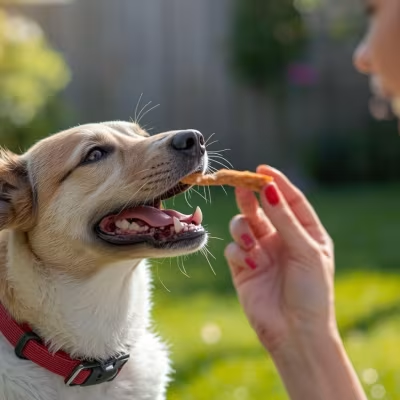
- High-Value Treats: These are treats your dog absolutely loves and doesn't get very often. Think small pieces of cooked chicken, cheese, or specialized training treats. The higher the value, the higher the motivation!
- A Quiet Space: Choose an area with minimal distractions where your dog can focus solely on you. A carpeted area or a soft mat is ideal to protect their joints.
- Patience and Positivity: These are your most powerful tools. Training should always be a positive experience for your dog.
Alright, let’s get into the nitty-gritty of how to train your dog to do a full body roll!
Your 3 Easy Steps to Teach Your Dog to Roll Over
We're going to break this trick down into small, manageable pieces. Remember, the key is to reward every tiny step in the right direction.
Step 1: The Side Lie – Getting Comfortable on Their Side
This is often the trickiest part, as some dogs aren't naturally inclined to lie fully on their side. But don't worry, we'll use a lure to make it easy.
- Start with a "Down": Ask your dog to lie down. If they're not fully relaxed, gently encourage them to settle.
- The Lure (Part 1): Hold a high-value treat close to your dog’s nose. Slowly move the treat from their nose towards their shoulder, then arc it towards their hip. The idea is to get them to twist their head and body to follow the treat, shifting their weight.
- The Gentle Push (if needed): As you lure, your dog should shift their weight onto one hip. Keep moving the treat to encourage them to lie completely on their side. If they're struggling, you can very gently use your other hand to encourage their shoulder or hip to drop, guiding them into the side-lying position. Be extremely gentle and stop if there’s any resistance or sign of discomfort.
- Reward Instantly: The moment your dog lies fully on their side, even for a second, immediately say "Yes!" or "Good!" and give them the treat. Repeat this several times until they are consistently lying on their side when you lure them.
Pro Tip from Dr. Hale: "Watch your dog's body language closely during this step. Some dogs might be a bit stiff or uncomfortable lying on their side initially. If they seem hesitant or try to get up, pause, reassure them, and try again more gently. Make sure the surface is soft to avoid any joint discomfort. Consistency is more important than speed here. You're building trust and comfort with a new position."
Step 2: The Half Roll – From Side to Back
Once your dog is comfortable lying on their side, we'll encourage them to roll a little further.
- Start on Their Side: Get your dog into the side-lying position (using your lure if necessary).
- The Lure (Part 2): With your dog on their side, hold the treat at their nose. Now, arc the treat over their spine, moving it towards their opposite shoulder. Your goal is to get their head to twist all the way around, which should naturally cause their body to roll onto their back.
- Instant Reward: The second your dog rolls onto their back, even if it's just for a moment, immediately praise them and give the treat. This is a crucial step for getting your dog to roll over on command effectively.
- Repeat and Practice: Practice this step until your dog is reliably rolling from their side onto their back. Some dogs might only do a half roll initially, and that’s perfectly fine! Reward that half roll and gradually encourage more.
Pro Tip from Dr. Hale: "Smaller, softer treats work best for luring. You want your dog to focus on the movement of your hand and the treat, not chew on a big biscuit. Also, keep your movements slow and deliberate. Jerky movements can confuse or startle your dog. Remember, this is positive reinforcement for dog tricks at its best – making it a rewarding game for them!"
Step 3: The Full Roll and Adding the Command
Now for the grand finale – completing the roll and attaching the verbal cue!
- Start on Their Side/Back: Once your dog is comfortable going from their side to their back, it's time to encourage them to complete the roll.
- The Full Lure: As your dog rolls onto their back (from your side-lying lure), continue to arc the treat around towards the ground on the other side of their body. This encourages them to push off their back and complete the full rotation onto their other side, or even back to their original "down" position.
- Introduce the Command: As your dog begins the rolling motion, say your chosen command clearly, such as "Roll Over!" or "Spin!" Say it just once as they start the movement.
- Immediate Reward: As soon as they complete the full roll, give them praise and the treat.
- Fade the Lure: Once your dog consistently rolls over with the treat lure and command, start to make your hand motion smaller and less obvious. Eventually, you want your dog to perform the trick based on the verbal command alone, with just a subtle hand signal (if you choose to use one).
Congratulations! You’re well on your way to getting your dog to roll over on command!
Common Mistakes to Avoid When Teaching "Roll Over"
Even with the best intentions, it's easy to fall into some common training traps. Here are a few to watch out for:
- Rushing the Process: Trying to go from "down" straight to a full roll in one session is a recipe for frustration. Break it down, celebrate small victories.
- Inconsistent Cues: Using different verbal commands or hand signals can confuse your dog. Stick to one clear command and signal.
- Ignoring Body Language: Your dog is always communicating. If they're yawning, lip licking, looking away, or stiffening, they might be stressed or uncomfortable. Push through these signals, and you risk making training a negative experience.
- Lack of High-Value Treats: If your dog isn't super enthusiastic about the reward, their motivation will be low. Save the truly special treats for training sessions.
- Getting Frustrated: If you're feeling impatient or frustrated, your dog will pick up on it. End the session on a positive note and try again later. Training should always be enjoyable for both of you.
- Training in Distracting Environments: Trying to teach a new trick at the dog park or in a busy living room is setting yourself up for failure. Start in a quiet, familiar place.
Dr. Hale's Pro Tips for Success
From my years of observing countless animals and their unique personalities, here are some practical tips to help you and your dog succeed:
- Short, Sweet Sessions: Keep training sessions brief – 5 to 10 minutes, a few times a day is far more effective than one long, tedious session. Dogs (and humans!) have limited attention spans.
- End on a High Note: Always finish a training session after your dog has successfully performed the trick. This leaves them feeling accomplished and eager for the next session.
- Practice in Different Locations: Once your dog reliably performs the trick in a quiet space, gradually introduce new environments with mild distractions. This helps generalize the command.
- Consider Your Dog's Breed and Age: While almost any dog can learn "roll over," some breeds (like those with long backs or brachycephalic breeds) might find it more challenging. Older dogs or those with joint issues might also need extra patience and a softer surface. Always prioritize comfort and safety.
- Build on Success: Once "roll over" is mastered, use it as a building block for other fun dog tricks for active dogs, like "play dead" or more complex routines. This continues the mental engagement.
- Don't Be Afraid to Revert: If your dog is struggling, don't hesitate to go back a step or two. Sometimes reinforcing the basics is all it takes to get back on track with solving dog training challenges.
When to See a Vet
While teaching "roll over" is generally safe and fun, it involves specific body movements that can sometimes reveal underlying issues. As your veterinarian, my priority is always your pet's health and safety. You should consult your vet if you notice any of the following during or after training:
- Sudden Reluctance or Pain: If your dog suddenly refuses to roll over, yelps, flinches, or shows any signs of discomfort when attempting the movement, stop immediately. This could indicate pain in their back, neck, hips, or shoulders.
- Stiffness or Lameness: Observe if your dog is stiff, limping, or showing any signs of lameness after a training session.
- Loss of Balance: If your dog seems unusually wobbly or loses balance more frequently than normal, especially when performing the roll.
- Changes in Gait or Movement: Any noticeable changes in how your dog walks, runs, or moves in general should be checked out.
- Any Other Concerning Physical Symptoms: Lethargy, changes in appetite, or unusual behavior could also be linked if they appear concurrently with training difficulties.
These symptoms could indicate anything from a minor muscle strain to more serious conditions like arthritis, intervertebral disc disease (IVDD), or other orthopedic issues. It's always best to get a professional opinion to ensure your dog is comfortable and healthy.
Frequently Asked Questions About Teaching "Roll Over"
Q: How long does it take to teach a dog to roll over?
A: The timeline varies greatly depending on the dog's individual learning style, your consistency, and the value of your treats. Some dogs might pick up the basics in a few short sessions over a couple of days, while others might take a few weeks of consistent practice. Don't get discouraged if it takes longer than you expect; celebrate every small step!
Q: What if my dog doesn't like lying on their side?
A: This is a common hurdle! Some dogs naturally prefer to stay on their belly. Start by making the side-lie incredibly rewarding. Use your highest-value treats and praise profusely for even a momentary shift of weight. If they show discomfort, use a very gentle hand to guide them, stopping immediately if they resist. Ensure the surface is soft and comfortable. If they consistently resist or show signs of pain, consult your vet.
Q: Can old dogs learn new tricks like rolling over?
A: Absolutely! The old saying "you can't teach an old dog new tricks" is simply not true. Senior dogs can certainly learn new behaviors, though they might learn at a slower pace and may have physical limitations. Be extra gentle, keep sessions very short, and ensure there's no discomfort, especially if they have arthritis or other age-related joint issues. Always consult your vet if you have concerns about their physical ability to perform such movements.
Q: Why is my dog struggling with this trick, even after following the steps?
A: There could be several reasons. First, ensure your treats are truly high-value. Are you being consistent with your cues? Is the environment truly distraction-free? Sometimes, it's about breaking the trick down into even smaller micro-steps. Revisit Step 1 and make sure your dog is completely comfortable with the side-lie before moving on. If your dog still struggles despite your best efforts, consider enrolling in a positive reinforcement training class or consulting with a professional dog trainer. And of course, if you suspect any physical discomfort, it's time for a vet check-up.
Conclusion: Rolling into a Stronger Bond
Teaching your dog to roll over is a truly rewarding experience for both of you. It's a wonderful opportunity for engagement, mental stimulation, and deepening the incredible bond you share. Remember to approach every session with patience, positivity, and plenty of high-value rewards. Enjoy the journey of discovery and connection with your beloved canine companion.
Keep those tails wagging, and happy training!
Warmly,
Dr. Edward Hale
Certified Veterinarian



0 Comments
No comments yet. Be the first to share your thoughts!
Leave a Comment