Dog bloat, also known as gastric dilatation-volvulus (GDV), is a serious and potentially fatal condition that affects tens of thousands of dogs each year. Although the exact cause is not fully understood, bloat is a medical emergency when it progresses to GDV. Owners who recognize the warning signs early and seek immediate veterinary care can greatly improve their dog’s chances of survival. This article explains the common signs of bloat, which dogs are at higher risk, practical prevention strategies, and what to do if your dog becomes bloated.
What are the Signs of Bloating in Dogs?
Bloat usually presents as abdominal discomfort and distress. One of the most obvious signs is a swollen or distended abdomen. Other common symptoms include:
- Pain or tenderness when the abdomen is touched
- A hollow or drum-like sound when the swollen area is gently tapped
- Pacing, restlessness, or an inability to get comfortable
- Clear signs of distress such as whining or pacing
- Dry retching or unproductive heaving
- Excessive drooling
- Rapid breathing or heavy panting
- Weakness, collapse, or fainting in severe cases
Bloat occurs when gas or air becomes trapped in the stomach. In some cases the condition resolves on its own, but if the stomach rotates and becomes twisted (GDV), blood flow can be compromised and emergency surgery is required. It is not possible for an owner to reliably distinguish simple bloat from GDV; professional assessment is essential.
What Dogs are Most Prone to Bloat?
While bloat can happen to any dog, certain body types and breeds are at greater risk. Large, deep-chested breeds are most commonly affected. Breeds with higher incidence include:
- Great Danes
- Saint Bernards
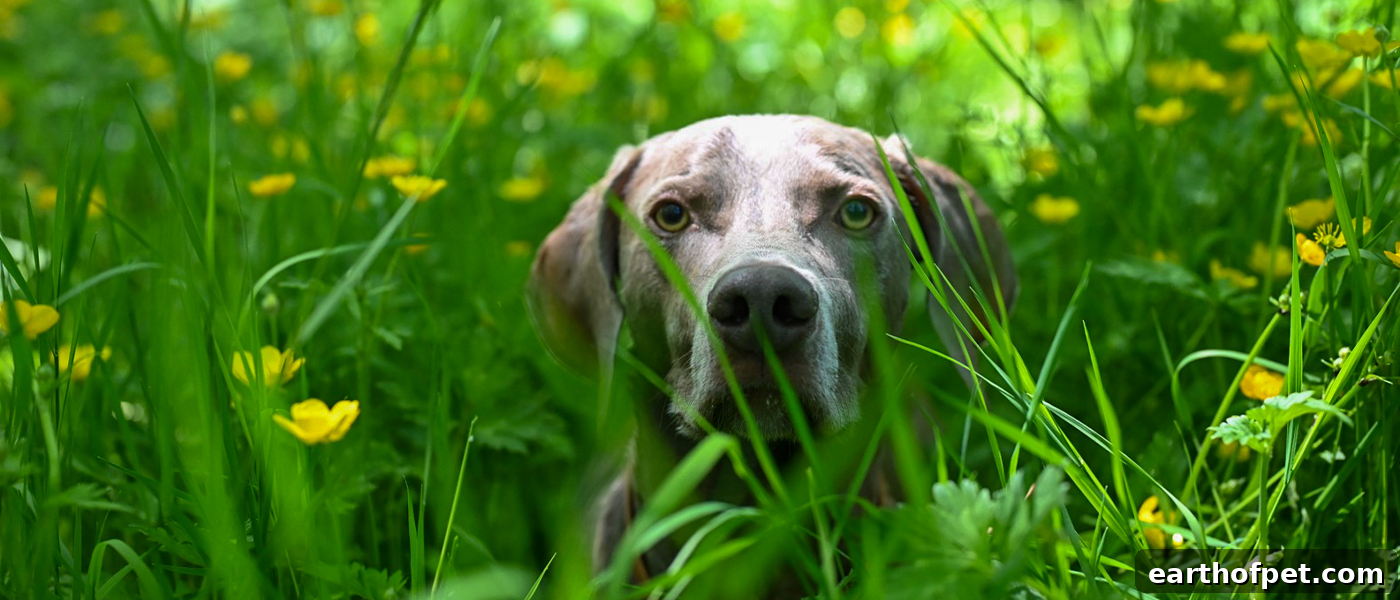
- Weimaraners
Other breeds with increased risk include Doberman Pinschers, Irish Setters, Gordon Setters, Old English Sheepdogs, Irish Poodles, and Basset Hounds. In addition to breed predisposition, dogs over 100 pounds and some older small-breed dogs can also be vulnerable.
Even if your dog is not in a high-risk breed, it is important to learn the warning signs and adopt risk-reduction practices. Bloat can affect any dog, and early response is critical.
How You Can Decrease the Risk of Bloating in Your Dog
Although the exact cause of bloat is unclear, some practical steps may reduce risk. Diet and feeding habits are two of the most straightforward areas to address:
- Choose high-quality diets that support digestive health, emphasizing calcium-rich protein sources such as meat, lamb, fish, or chicken meal listed among the primary ingredients.
- Instead of one large meal per day, divide daily food into two or more smaller, evenly portioned meals. Feeding two to four mini-meals can lessen the chance of swallowing excessive air.
- Avoid frequent use of canned or moistened dry food when citric acid is used as a preservative, if you suspect it contributes to digestive upset. Check ingredient lists and discuss diet options with your veterinarian.
- Train your dog to eat slowly. Dogs that “bolt” their food are at greater risk; use slow-feeder bowls, puzzle feeders, or scatter feeding to slow intake safely.
- Reduce stress and anxiety where possible. Calm, relaxed dogs are less likely to develop stress-related digestive issues.
Regular veterinary exams and discussing your dog’s specific risk factors with your veterinarian can help you tailor prevention strategies. In some cases, veterinarians may recommend additional measures for particularly high-risk dogs.
What to Do When Your Dog is Bloated
If you notice any signs of bloating—especially abdominal distention, retching without vomiting, or rapid breathing—seek veterinary care immediately. Time is critical when GDV may be developing. Call your veterinarian or the nearest emergency clinic before you travel so they can prepare for your arrival.
At the clinic, the veterinary team will assess the dog and often attempt to pass a tube into the stomach to release trapped gas. If the stomach has twisted and a tube cannot be passed, the veterinarian may temporarily relieve pressure by placing a needle or catheter through the skin into the stomach. Stabilization is the immediate priority; once pressure is relieved and the dog is stable, surgical intervention is usually necessary to untwist the stomach and prevent recurrence.
Emergency treatment frequently includes IV fluids, pain management, and surgery to reposition and fix the stomach in place (gastropexy). Early recognition and rapid transport to a clinic significantly improve outcomes.
All dogs are at risk for bloat and GDV, but being informed and proactive can make a life-saving difference. Choosing a diet that supports digestive health—such as Wellness CORE Digestive Health—feeding smaller, more frequent meals, training slow eating habits, and minimizing stress are practical steps owners can take to reduce risk and protect their dogs.