The holiday season brings joy and celebration, but it can also be a stressful time for pets. Changes in routine, extra visitors, loud noises, and rich seasonal foods create new challenges for animals who thrive on predictability.
This guide helps you recognize holiday-related stress in pets and offers practical, humane strategies to reduce anxiety and keep your companion calm, safe, and comfortable throughout the season. Use these tips to create a pet-friendly holiday plan that supports both physical health and emotional well-being.
Recognizing Signs of Stress in Pets
Pets communicate stress through behavior and body language. Early recognition lets you intervene before small problems escalate:
- Dogs: Increased panting or drooling, pacing, whining or excessive barking, shaking, restlessness, refusal to eat, hiding, or attempts to escape.
- Cats: Withdrawal or hiding more than usual, over-grooming or hair loss, decreased appetite, sudden aggression or avoidance, toileting outside the litter box, or vocalizing more often.
- Other pets: Changes in appetite, altered activity levels, hiding, or unusual aggression or lethargy are common indicators across species.
Notice subtle changes in sleep patterns, appetite, or interaction with family members. Tracking these behaviors helps you identify stress triggers and measure the effectiveness of calming measures.
Creating a Calm Space
Providing a predictable, quiet retreat is one of the best ways to help pets cope during busy holiday events:
- Designate a Safe Room: Choose a low-traffic room with the pet’s bed, favorite toys, fresh water, and familiar scents. Close doors to limit noise and activity while still allowing you to check in periodically.
- Maintain Routine: Keep feeding, walking, and playtimes as consistent as possible. Familiar schedules reduce anxiety and help pets feel secure.
- Comfort Items and Soothing Sounds: Include favorite blankets or toys and consider soft music or white-noise machines to mask loud party noises and doorbells.
- Calming Aids: Pheromone diffusers, anxiety wraps, or vet-recommended supplements can help some animals. Consult your veterinarian before starting any new calming product or medication.
- Safe Retreats: For pets that use crates or covered beds as calming spaces, ensure these remain available and undisturbed during gatherings.
Hosting Pet-Friendly Gatherings
If guests will be present, plan ahead so everyone—including your pet—enjoys a safe, stress-free visit:
- Guest Guidelines: Let visitors know your pet’s boundaries and how to interact gently. Ask guests to avoid sudden movements, chasing, or feeding treats without permission.
- Supervise Interactions: Monitor interactions between pets and children or unfamiliar guests. Intervene if an animal appears uncomfortable or overwhelmed.
- Door and Exit Safety: Prevent escapes by using baby gates, closing exterior doors, or assigning someone to control entryways during arrivals and departures.
- Holiday Hazards: Keep decorations, candles, electrical cords, and toxic foods (like chocolate, grapes, xylitol-containing products, and cooked bones) out of reach.
- Feeding Stations: Offer a quiet, separate space for your pet to eat so they feel secure and aren’t competing for food during the bustle.
Managing Holiday Travel
Traveling or boarding a pet requires extra preparation to reduce stress and prevent problems:
- Plan Ahead: Arrange boarding, pet sitters, or accommodations early. Ensure vaccinations and records are current if required by the facility or airline.
- ID and Microchipping: Confirm collars and ID tags are up-to-date, and consider a microchip for added security in case your pet becomes lost.
- Pack Essentials: Bring familiar bedding, favorite toys, food, any medications, a leash, cleaning supplies, and contact information for your veterinarian and the boarding facility.
- Travel Comfort and Safety: Use a secure carrier, harness, or crate appropriate for your pet’s size. For animals prone to motion sickness or anxiety, discuss travel strategies with your veterinarian.
For guidance on separation anxiety and short-term strategies to comfort dogs while away from home, consult professional resources or your veterinarian.
How Technology Can Help
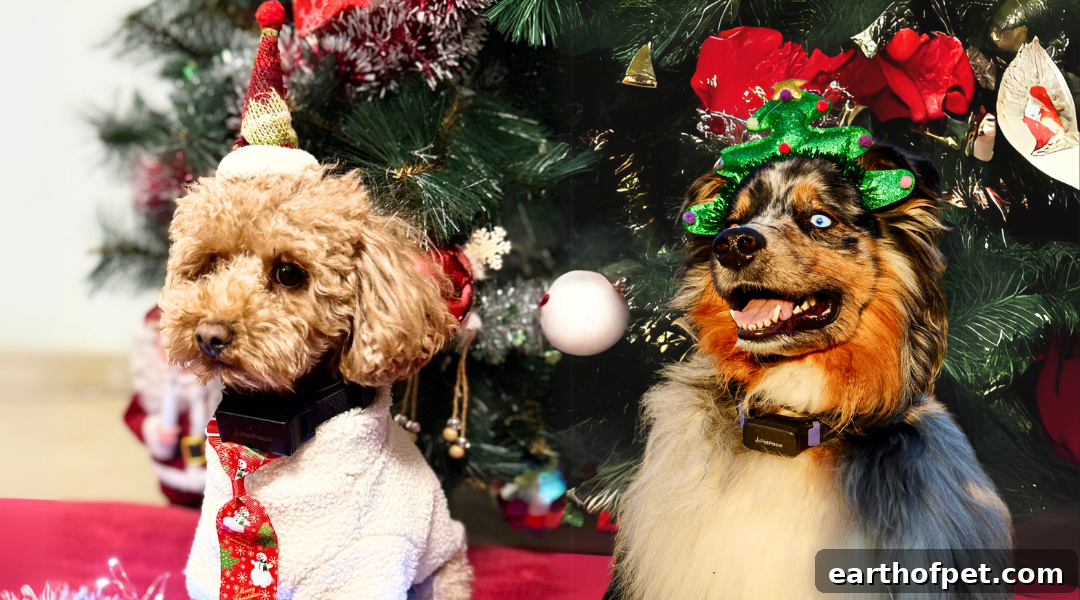
Monitoring tools and smart devices can offer valuable peace of mind during holiday activities. Wearable health monitors and activity trackers provide data on sleep, movement, and changes in behavior that may signal stress or illness. Using these tools alongside observation helps you respond faster if your pet’s patterns shift.
Make the Holidays Joyful for Everyone
With thoughtful preparation and attention to your pet’s needs, the holidays can remain a joyful time for the whole family. Prioritize routine, provide secure, quiet areas, supervise introductions, and use practical safety measures to reduce stress and prevent accidents. Small adjustments—like consistent schedules, secure exits, and a comfortable retreat—go a long way toward ensuring a calm and happy season for your pet.
PetPace: Your Partner in Pet Wellness
During busy holiday periods, wearable health collars and monitoring devices can help you stay aware of your pet’s vital signs, activity levels, and stress indicators in real time. PetPace’s smart health collar is designed to provide timely alerts and insights into a pet’s well-being so you can spot potential issues early and take appropriate action. Whether you’re hosting guests, traveling, or simply juggling a hectic schedule, monitoring your pet’s health supports a safer, more relaxed holiday for everyone.
From all of us, we wish you and your pets a safe, peaceful, and joyful holiday season.