Welcoming a rescue dog into your home is a deeply rewarding experience. At Wellness Pet, we support a holistic approach to a dog’s wellbeing — starting from the moment they arrive. The move from shelter life to a permanent home is a major change, and the first 30 days are especially important for building trust, comfort, and good health. Use this practical, step-by-step guide to help your new companion settle in safely and happily.

The First 30 Days: A Step-by-Step Guide
Creating a calm, consistent environment will help your new dog relax and reveal their true personality. Below are ten focused steps to guide you through the critical first month of adoption.
1. Prepare Their Safe Zone Before Arrival
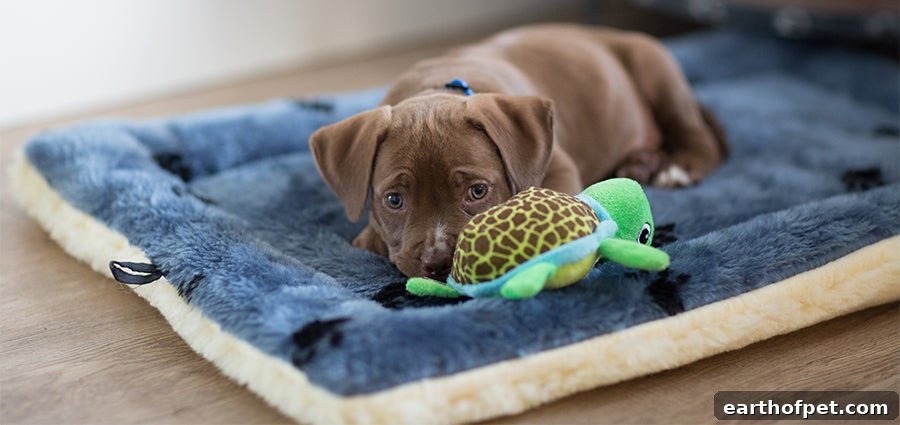
Designate a quiet, low-traffic area of your home as your dog’s safe zone before you bring them home. Outfit it with a comfortable bed, a water bowl, and a few sturdy toys. A predictable, cozy retreat makes it easier for a dog to decompress after the sensory overload of shelter life.
2. Follow the 3‑3‑3 Rule
Understanding typical adjustment stages helps set realistic expectations:
- 3 days: The dog may feel overwhelmed, anxious, or uncertain.
- 3 weeks: You should see routines forming and more of their personality appearing.
- 3 months: Most dogs feel secure and fully bonded with their new family.
3. Establish a Consistent Routine
Predictability builds emotional security. Create and maintain a daily schedule for:
- Potty breaks: Take your dog outside every two hours at first and immediately after meals or naps.
- Walks: Short, calm walks in quiet areas let them explore safely and burn off nervous energy.
- Feeding times: Serve meals at the same times each day to help regulate digestion and reduce stress.
4. Prioritize Digestive Health with the Right Food
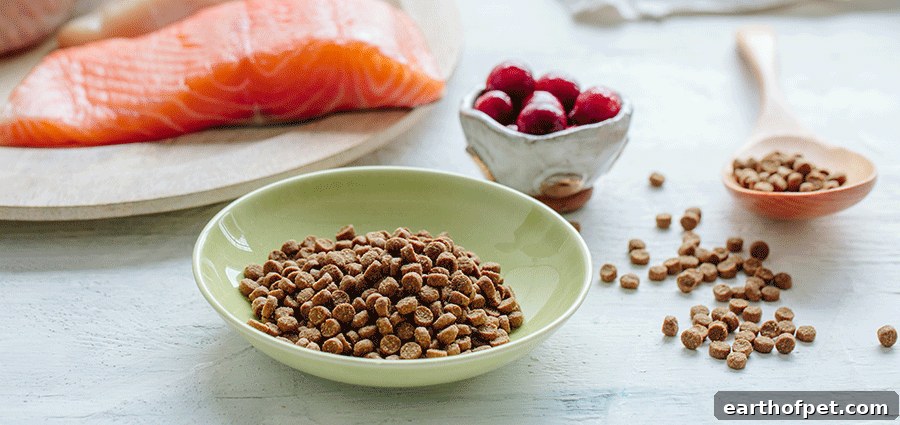
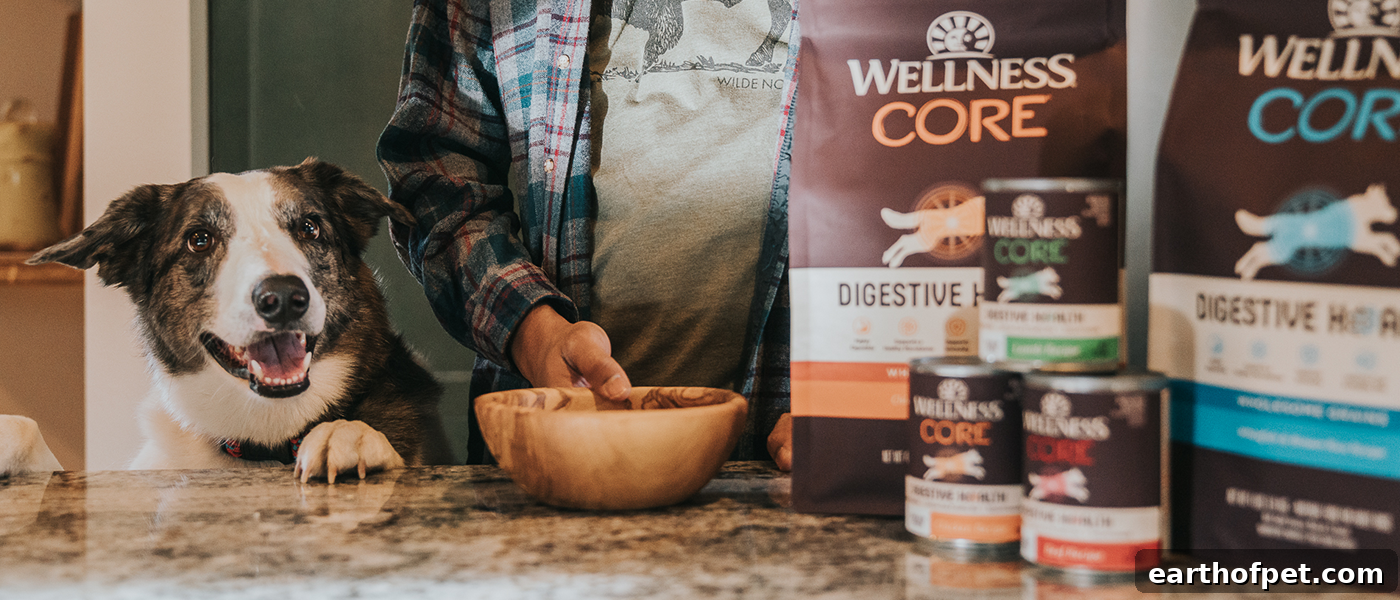
Food changes and stress can cause digestive upset. Keep feeding the shelter’s food for the first few days, then transition slowly to a nutrient-dense, balanced diet such as Wellness Complete Health or Wellness CORE Digestive Health. Diets with added probiotics and high-quality ingredients support the immune system and skin health, and they help your dog feel better from the inside out.
5. Keep the Guest List Small
Limit visitors during the initial two weeks so your dog can focus on bonding with you. Too many people, unfamiliar voices, or loud gatherings can overwhelm a newly adopted dog and slow their adjustment.
6. Introduce Crate Training Early
When used properly, a crate becomes a secure den rather than a punishment. Make the crate inviting with a soft bed and occasional treats. Encourage voluntary, calm entry and use the crate for short, positive rest periods while your dog learns to relax independently.
7. Use Positive Reinforcement Only
Reward-based training builds confidence and strengthens your bond. Use calm praise, gentle petting, and small, healthy treats for desired behaviors like waiting politely, following a cue, or going potty outside. Avoid punishment, which can increase anxiety and set back progress.
8. Schedule a Wellness Exam
Arrange a veterinary visit within the first week. This checkup confirms vaccinations, screens for common health concerns, and establishes a baseline for future care. Your vet can also advise on parasite prevention, nutrition, and any behavior-related medical issues.
9. Focus on Mental Enrichment
Shelter dogs often have unused mental energy. Provide puzzle toys, treat-dispensing games, and simple scent work activities to engage their brains. Mental stimulation reduces stress-related behavior and promotes a calm, well-adjusted pet.
10. Be Patient and Watch Body Language
Each dog adapts at its own pace. Learn to read signs of stress — such as lip licking, yawning, avoidance, or tucked tails — and respond by giving space and reducing stimulation. Patience, consistent care, and gentle encouragement are the keys to building trust and achieving a “full belly, happy heart” household.
Frequently Asked Questions
How long does a shelter dog take to adjust? Many dogs follow the 3‑3‑3 guideline and feel fully settled within three months. Consistent routines, positive interactions, and good nutrition can help speed the transition.
What should I feed my newly adopted dog? Begin with the food they ate at the shelter to avoid stomach upset, then gradually move to a complete, balanced diet such as Wellness CORE Digestive Health or Wellness Complete Health. Look for formulas with probiotics and high-quality proteins to support digestion and overall wellness.
How can I prevent accidents in the house? Consistency is essential. Take your dog out every two hours, immediately after meals and naps, and praise them calmly when they eliminate outdoors. Avoid punishment; it can cause fear and regression.
Join the Wellness community to receive this guide, expert nutrition tips, and exclusive savings by signing up through the brand’s channels. With time, consistency, and patience, your rescued dog will become a confident, loving member of your family.