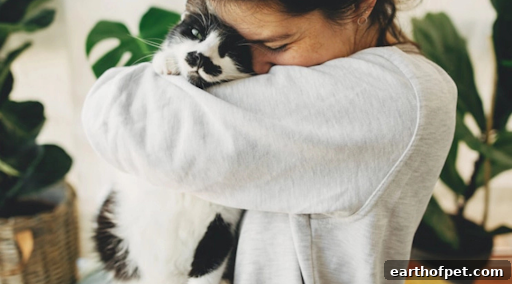
As the COVID-19 pandemic brought lockdowns and extended periods of staying at home, many people found the experience isolating and stressful—especially those living alone or managing chronic or mental health conditions. One meaningful way to add joy, purpose, and companionship to daily life is to welcome a pet into your home. Pets can provide emotional support, structure, and a consistent source of affection that improves overall well-being. Across the country, adoption and fostering rates rose sharply as people sought the comfort and connection animals offer.
If you’re not ready for a permanent adoption, fostering is an excellent short-term alternative. Similar to fostering a child, fostering an animal lets you provide temporary care while the shelter finds a permanent home. The duration of a foster placement varies depending on the animal’s needs and shelter capacity, so it’s important to clarify timelines with staff before you commit. Fostering gives animals a break from the shelter environment and gives you a companion during uncertain times—a true win-win.
Starting the Process
Fostering during a pandemic requires extra planning to minimize in-person contact and keep everyone safe. Reach out to local shelters that run foster programs and ask about remote-friendly procedures. Many organizations now accept applications by email or online forms, conduct interviews by phone or video chat, and arrange contactless pick-ups. When possible, use technology to meet the animal and shelter staff virtually and complete required paperwork electronically. Discuss expectations clearly: vaccination or medical status, behavioral history, feeding and care routines, and how long the shelter anticipates the foster arrangement will last.
Remember that the public health situation can change rapidly. Work with the shelter to confirm safety measures and contingency plans. If you are unsure about the timing—such as when you may need to return to work—be transparent about your availability so the placement suits both you and the animal.
Preparing for Your Pet
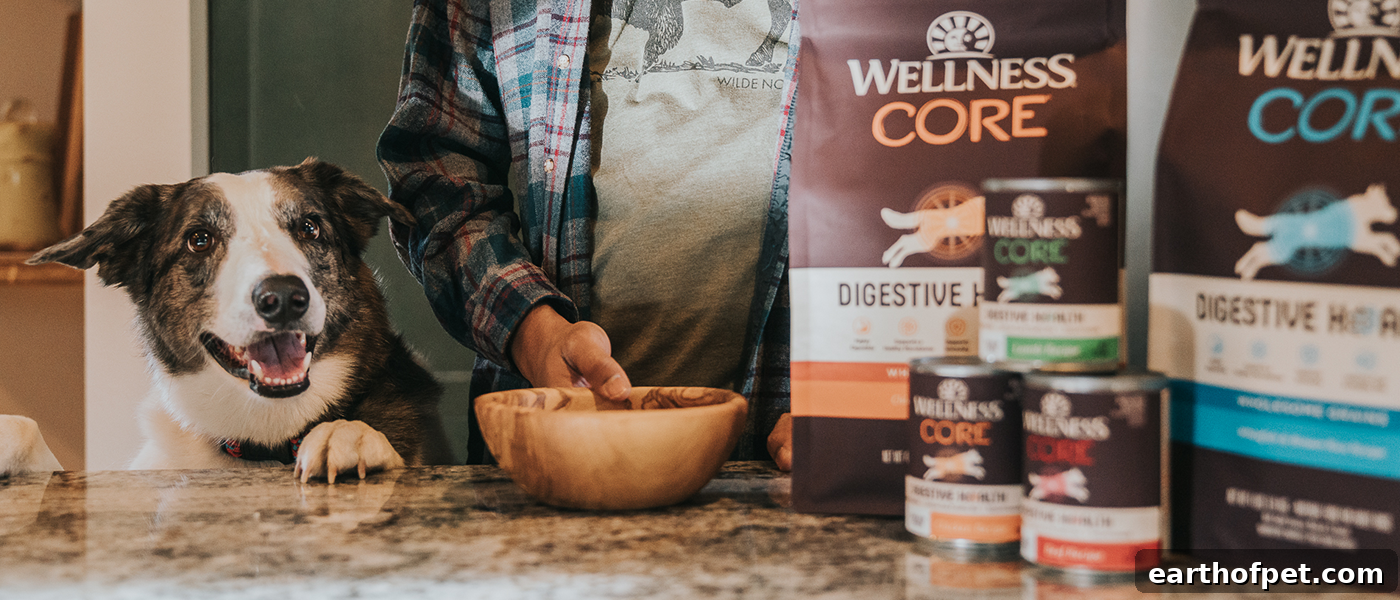
Before bringing a foster pet home, make sure you have the basics to meet their needs. For cats: a litter box, litter and scooper, food and water bowls, appropriate food, and a few toys. For dogs: a leash and collar, food and bowls, suitable toys, and a safe place to sleep. Extra items like a pet bed, blankets, treats, and grooming supplies are helpful but optional if acquiring them would require unnecessary outings or contact. If you have never owned a pet before, research breed- or age-specific needs so you can provide appropriate care.
Many shelters provide starter kits that include essential supplies. Ask if the shelter can reserve a basic care package and process payment over the phone to reduce contact. If you need to purchase items yourself, consider curbside pickup, delivery, or ordering through local pet stores that offer contactless options.
Bringing Your Pet Home
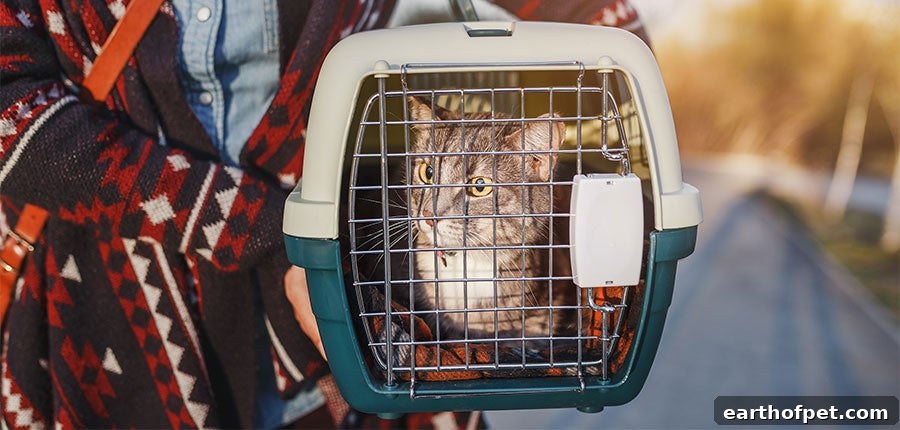
Follow local public health guidance and the shelter’s protocol when picking up your foster animal. Wear a mask, maintain physical distance, and limit the number of people accompanying you. Arrange a contactless handoff whenever possible—shelter staff can place the animal and supplies in your trunk, load items into your vehicle, or meet you at a designated outdoor spot.
Once home, take simple precautions to reduce any potential transfer of germs: wipe down carriers, boxes, and new supplies with appropriate disinfectants and wash your hands thoroughly after handling them. If it’s practical and safe for the animal, you may bathe or groom them according to shelter recommendations. Clean or launder any new bedding or blankets before regular use. These steps protect both your household and the animal during the transition.
Fostering is often a short-term commitment, but the bonds you create can be lasting. Even a brief placement can give an animal vital socialization and help you experience the rewards of caregiving without a long-term commitment. Be prepared for ups and downs—most shelters provide guidance and behavioral support for foster parents, so don’t hesitate to ask for help if you encounter challenges.
Fostering a pet is a meaningful way to support animals and communities during a crisis. Organizations and brands that support rescue work aim to provide nutritious food and resources so rescued animals receive the best possible start. If you choose to foster, work closely with your local shelter, follow safety guidance, and enjoy the companionship and comfort a foster pet can bring.