Best Protein For Dogs
Protein is one of the most important nutrients for your dog’s overall health. It supports muscle maintenance and growth, immune function, healthy skin and coat, and energy levels. But not all proteins are created equal, and the right source and amount depend on your dog’s age, activity level, weight goals and any sensitivities. This guide will help you understand how much protein your dog needs, what percentage to look for on labels, the best protein sources, and practical tips for choosing an appropriate recipe.
How Much Protein Should My Dog Eat?
As a general guideline, many pet nutrition recommendations use approximately 1 gram of protein per pound of your dog’s ideal body weight per day. For example, a dog with an ideal weight of 40 pounds would typically require about 40 grams of protein every day. If your dog is currently overweight, calculate protein needs based on the ideal weight rather than the current weight to avoid overfeeding.
Keep in mind that this is a rule of thumb; individual needs vary with age, activity, reproduction status (pregnant or nursing dogs need more) and health conditions. Always consult your veterinarian to tailor protein and calorie intake to your dog’s specific situation.
What Percentage of Protein Should Be in Your Dog’s Food?
When evaluating commercial dog food, protein is usually listed as a percentage on the label. Typical targets by life stage are:
- Adult dogs: generally 18–25% protein
- Puppies and growing dogs: often around 29% or higher to support development
Those percentages refer to the nutrient composition of the final product. If you need a high-protein option for an active or working dog, look for foods formulated specifically for higher energy and muscle demands. For puppies, a higher protein percentage helps support proper growth and development.
What Are the Best Protein Sources for Dogs?
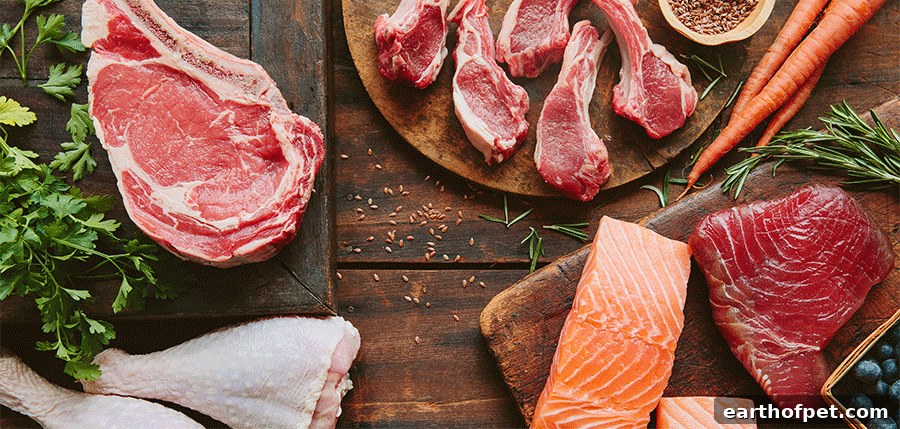
When reading ingredient lists, look for whole animal proteins listed as the first ingredient. Quality animal proteins are highly digestible and deliver essential amino acids dogs need. Common healthy protein sources include:
- Turkey
- Chicken
- Fish (salmon, whitefish)
- Lamb or mutton
- Duck
- Venison
- Beef
- Rabbit
Single-source proteins or named animal proteins are preferable to vague descriptions like “meat meal” or “animal by-products,” especially if your dog has dietary sensitivities. Fish options provide omega-3 fatty acids which support skin, coat and joint health. Lean meats such as turkey and rabbit can be beneficial for weight management.
Best Protein for Dogs with Allergies
If your dog shows signs of food-related allergies or intolerances—such as itchy skin, ear infections, or digestive upset—work with your veterinarian to identify trigger ingredients. Limited-ingredient diets that use a single, novel protein (for example, duck, rabbit or venison) can reduce exposure to common allergens. A carefully monitored elimination trial supervised by your vet is the most reliable way to pinpoint problematic ingredients and design a safe, balanced diet.
Best Protein for Active Dogs
Active, athletic or working dogs benefit from higher-quality and sometimes higher-quantity protein to support muscle repair and sustained energy. Good choices for active dogs include:
- Beef
- Chicken
- Pork
- Duck
- Elk
Ensure the overall calorie content matches the activity level and that protein sources are paired with balanced fats and carbohydrates for endurance and recovery.
Best Protein for Overweight Dogs
For dogs aiming to lose excess weight, prioritize lean protein and portion control. Feeding around 2–3% of body weight (adjusted to the dog’s ideal weight and caloric needs) is commonly recommended as a starting point for meal planning. Protein sources that support weight management include:
- Turkey
- Elk
- Rabbit
Lean proteins help preserve muscle mass while calorie intake is reduced. Combining appropriate lean protein with controlled portions, regular exercise and guidance from your veterinarian will give the best outcomes for safe, sustainable weight loss.
Which Wellness Dog Foods Should You Choose for Your Dog?
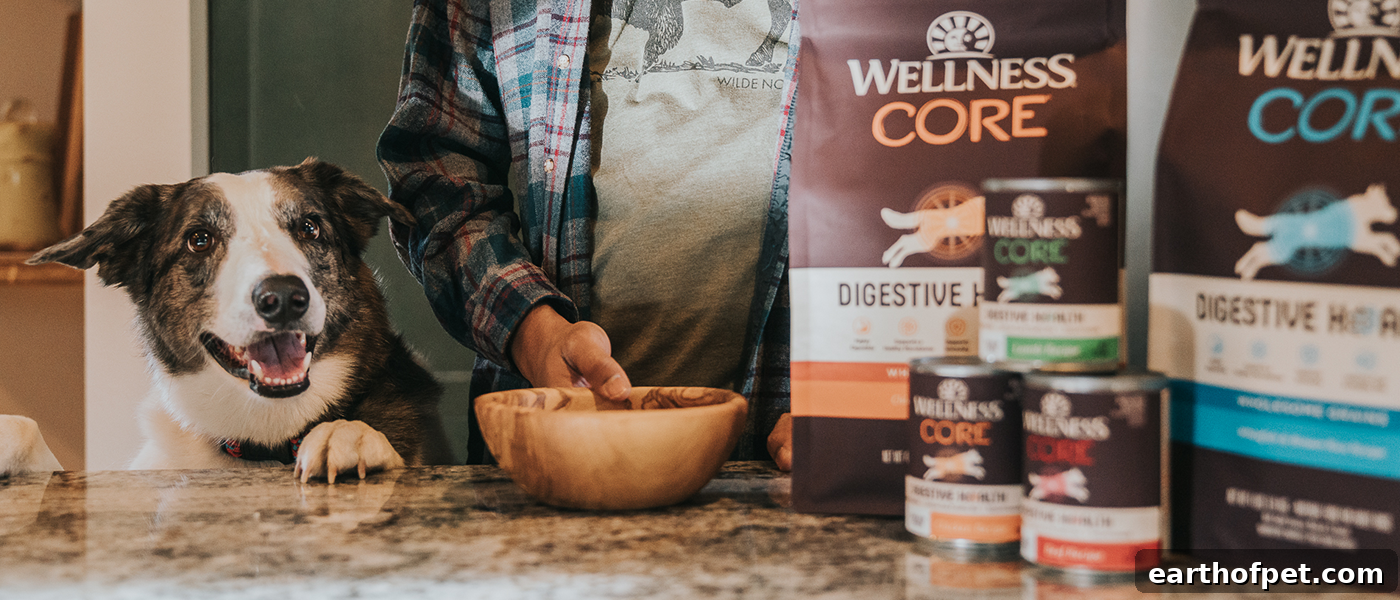
Wellness offers multiple recipe lines to suit different nutritional needs. Their Complete Health range combines premium proteins with wholesome grains and vegetables for balanced everyday nutrition appropriate for many breeds and life stages. For higher-protein options, the CORE line focuses on concentrated animal proteins and higher energy density; it is available in a variety of formulations including dry and wet foods, toppers and treats. If your dog has sensitivities, the Simple limited-ingredient line emphasizes a single named protein and easily digestible carbohydrates, avoiding common fillers and unnecessary additives. When selecting any brand or recipe, read ingredient lists, choose whole named proteins as primary ingredients, and consult your veterinarian to match the formula to your dog’s age, activity level and health needs.