What Is the Best Kibble for Dogs?
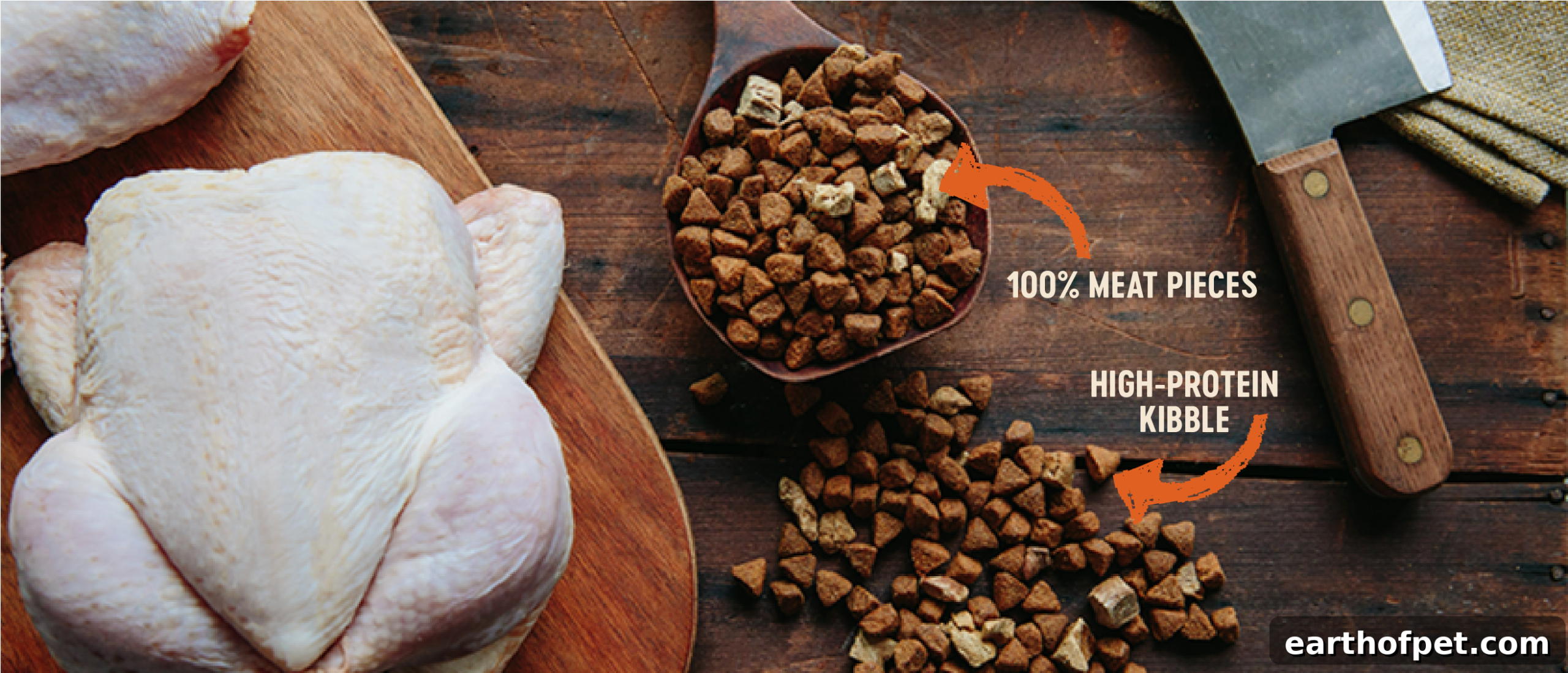
Choosing the best kibble for your dog starts the same way a great meal for a person does: with quality ingredients. A high-quality dry dog food should list a real animal protein as the first ingredient and be balanced with the right levels of carbohydrates, fats, omega fatty acids and essential vitamins and minerals. Avoid foods that rely on cheap fillers like corn, wheat or soy and steer clear of artificial colors and flavors.
Quality kibble is formulated to meet a dog’s specific life stage, size and activity level. The ideal recipe provides digestible protein and fat, appropriate calorie density and added nutrients to support joints, immune health and brain development. Below are practical guidelines to help you select the right dry food for your dog.
Choosing the Best Kibble for Your Dog
1. How Active Is Your Dog?
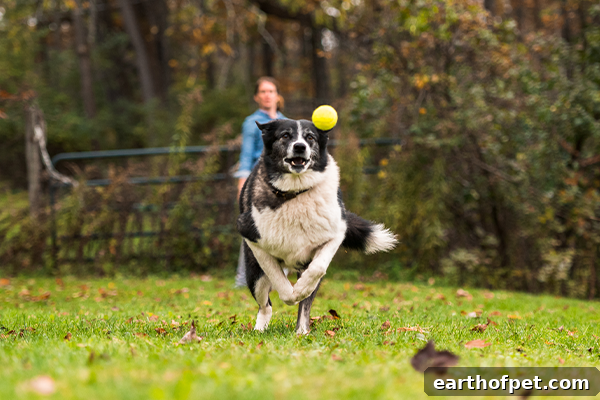
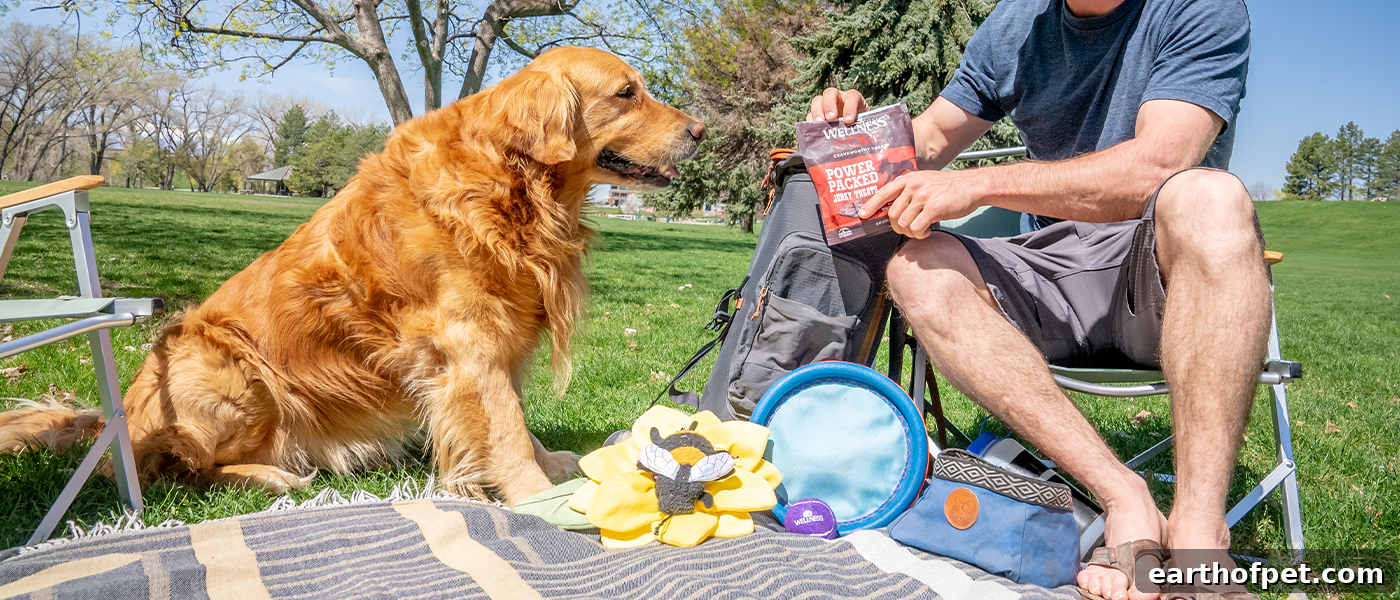
Activity level is a primary factor in determining calorie needs. Highly active dogs—those that go on long hikes, run frequently or are used for work or sport—need more calories and a higher proportion of protein and fat to sustain energy and support recovery. Less active or mostly indoor dogs typically require fewer calories and may benefit from lower-fat formulations to maintain a healthy weight.
When evaluating kibbles, compare the calorie content (kcal per cup or per kilogram) and the guaranteed analysis for protein and fat. Look for labels that indicate the food is intended for the appropriate activity level—options often include regular/maintenance and reduced-fat or weight-control formulas.
2. How Old Is Your Dog?
A dog’s nutritional needs change from puppyhood through adulthood to the senior years. Choosing a diet that matches your dog’s life stage ensures they receive the nutrients necessary for growth, maintenance and aging.

- Puppies: Require more calories from protein and fat to support rapid growth. They also benefit from ingredients like DHA to support brain and eye development.
- Adults: Need balanced nutrition to maintain healthy body condition and support daily activity. Adult formulas focus on sustained nutrients and healthy digestion.
- Seniors: Older dogs often need lower-calorie diets that include joint-supporting nutrients such as glucosamine and chondroitin, plus antioxidants and vitamins to help support a weakening immune system.
3. How Big Is Your Dog?
Size affects metabolic rate, kibble shape preference and joint health requirements. Small-breed dogs typically have higher metabolisms and may need calorie-dense recipes with smaller kibble. Large-breed dogs require formulas that support joint health and controlled growth—especially for large-breed puppies—so look for larger kibble sizes and added joint-support ingredients.

- Small breeds: Seek recipes labeled for small breeds with higher calorie density and smaller kibble pieces.
- Large breeds: Choose large-breed formulas with appropriate calorie control and joint-supporting nutrients to promote healthy growth and longevity.
4. What Protein Should I Consider?
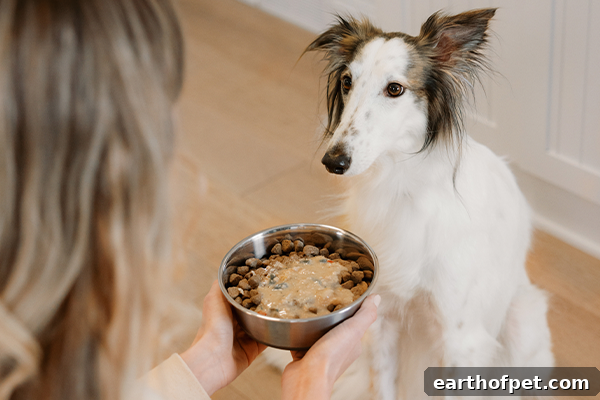
Protein choice matters for taste, digestibility and allergy management. If your dog has no known sensitivities, rotating protein sources—beef, turkey, fish, lamb or duck—can keep mealtime interesting and expose your dog to a variety of nutrients. If your dog shows signs of a protein sensitivity (skin issues, ear infections, digestive upset), select a recipe that omits the problematic protein and consult your veterinarian if symptoms persist.
Poultry is a common sensitivity for some dogs; poultry-free options like fish- or lamb-based recipes can be a good alternative. Always transition gradually when switching proteins to reduce digestive upset: mix increasing amounts of the new food with decreasing amounts of the old over 7–10 days.
Making Mealtime More Appealing
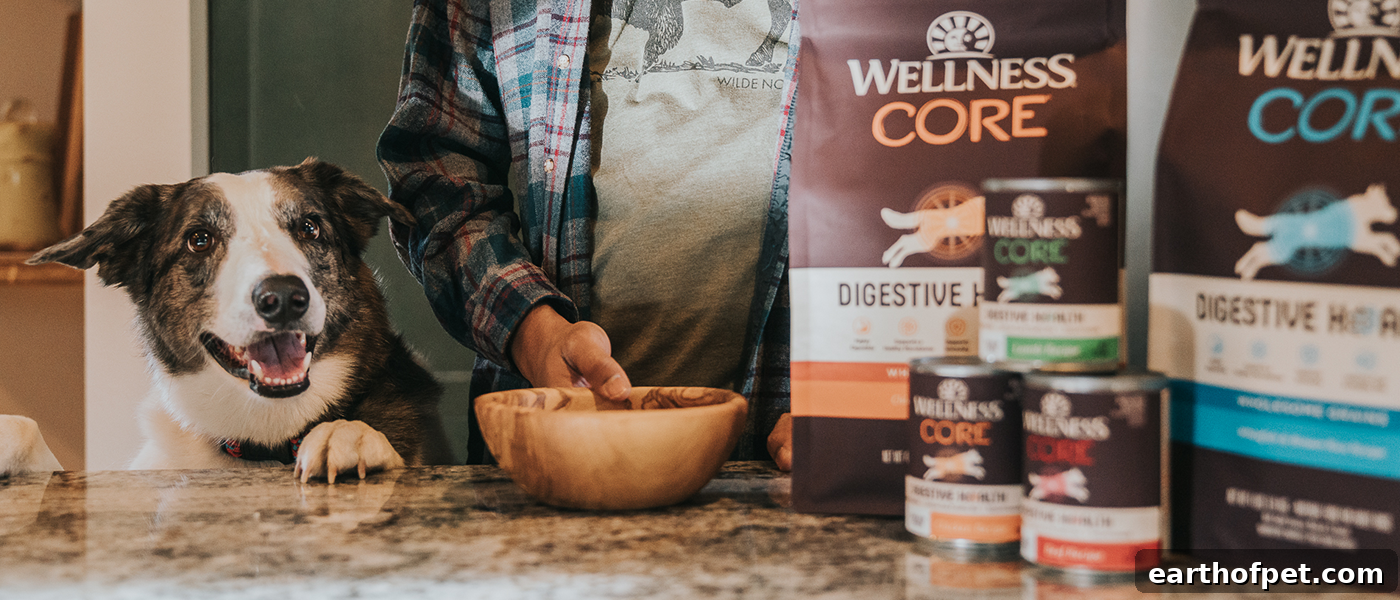
While a high-quality kibble can provide complete nutrition, feeding the same dry food every meal can become monotonous. Many dogs enjoy mixers and toppers—small servings of wet food, bone broth, cooked vegetables or specially formulated toppers—to enhance flavor and texture without replacing the balanced nutrition of their main kibble. Use toppers sparingly and adjust portion sizes to avoid overfeeding.
Feeding the best kibble for your dog is about matching the food to their life stage, size, activity level and sensitivities while prioritizing real animal protein and quality ingredients. Reviewing labels, consulting your veterinarian and monitoring your dog’s body condition, coat quality and energy levels will help you find and fine-tune the ideal dry food for a long, healthy life.