As your dog grows older, its nutritional needs change. Senior dog food is formulated to meet those evolving needs, helping manage weight, support joint health, and contribute to overall wellbeing. Choosing the right diet for a senior dog makes a meaningful difference in quality of life, energy levels, digestion, and mobility.
Deciding what is the best dog food for senior dogs can feel overwhelming. This guide explains the special needs of senior dogs, what to look for on labels, and how to choose the best dry and wet senior dog foods for your companion.
The Special Needs of Senior Dogs
Like people, dogs show physical and internal changes as they age. You may notice lower energy, morning stiffness, graying around the muzzle, or slower movement. Under the surface, aging dogs often experience a decline in immune function, changes in digestion, and a greater risk of joint issues such as osteoarthritis.
Nutrition plays a central role in supporting an older dog’s health. Senior dog food formulas are designed to provide nutrients that address common age-related concerns. When evaluating products, focus first on brand quality and then on ingredient and nutrient profiles that match your dog’s specific needs.
What to Look For When Comparing Senior Dog Food Brands
- Scientifically validated formulas: Recipes backed by feeding trials or peer-reviewed research are more likely to deliver consistent benefits for senior dogs.
- Veterinarian recommendation: Products recommended by veterinarians offer added assurance that formulas are balanced and appropriate for aging pets.
Key nutrients to seek in senior dog food include:
- Glucosamine: Supports joint function and can help relieve pain and improve mobility in dogs with arthritis.
- Chondroitin: Works with glucosamine to support cartilage and overall joint health.
- Fish oils and omega fatty acids: Help maintain skin and coat health, reducing dryness and itchiness common in older dogs.
- L-carnitine: Assists in converting fat into usable energy; can support healthy weight management and organ function.
In addition to these ingredients, a quality senior recipe should help your dog maintain five core signs of wellbeing:
- Skin and coat health: Balanced omega-3 and omega-6 fatty acids.
- Optimal energy: Appropriate levels of high-quality protein, fats, and carbohydrates for lower activity levels.
- Healthy teeth and bones: Proper calcium-to-phosphorus ratios and textures that encourage chewing.
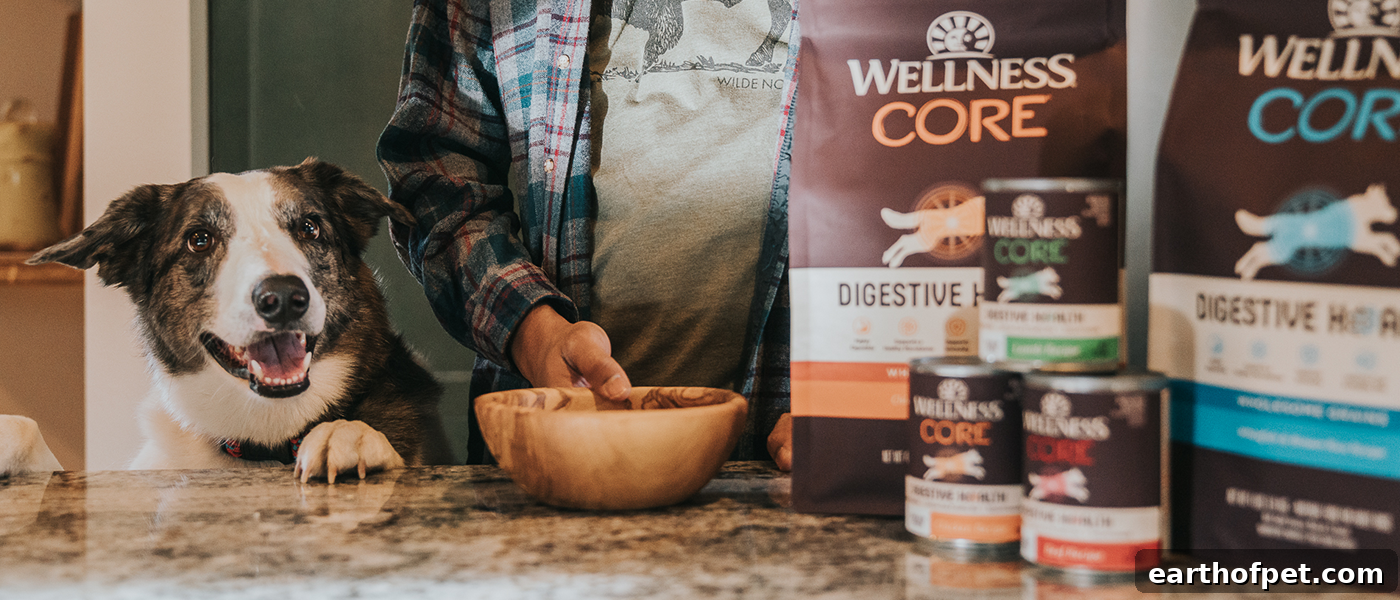
- Digestive health: Dietary fiber, prebiotics, and probiotics to support digestion and a balanced microbiome.
- Immune health: Antioxidants and vitamins such as vitamins A and E, plus minerals like zinc, to support immune function.
The Best Dry Dog Foods for Senior Dogs
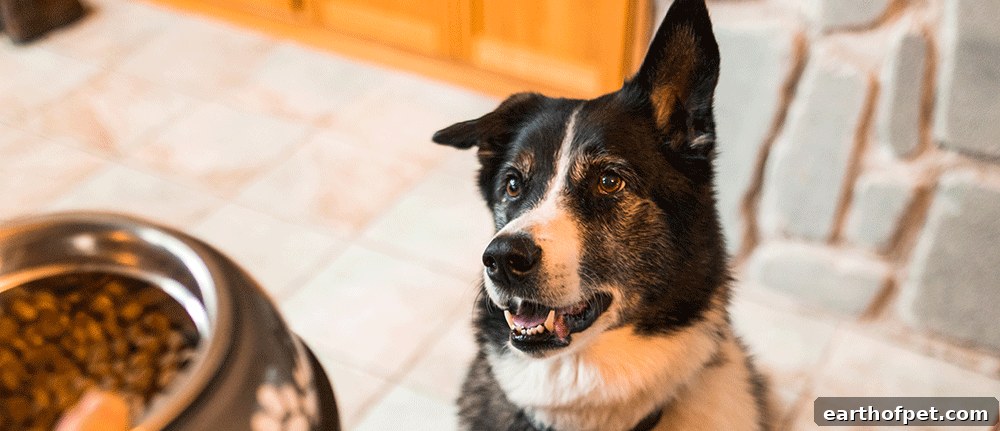
Dry kibble remains a convenient way to deliver balanced nutrition for senior dogs. When choosing a dry senior formula, consider your dog’s dental condition. If your dog has dental disease or missing teeth, look for small-bite kibbles or formulas designed for small breeds, or combine kibble with softened food to make eating easier.
Talk with your veterinarian about any medical conditions that affect diet—weight gain or loss, kidney disease, and other chronic conditions all influence which senior formula is most appropriate. A vet can recommend calorie targets and nutrient adjustments based on a physical exam and lab results.
High-quality dry senior recipes tend to include the joint-supporting and heart-and-brain-supporting nutrients listed above, alongside probiotics or prebiotic fibers to support digestion. Consider brands that state their formulas were designed for senior dogs and that clearly list guaranteed nutrient levels.
The Best Canned Wet Dog Food for Senior Dogs
Wet food can be a great choice for seniors who need softer textures, increased palatability, or lower-calorie meals. Canned foods often contain more moisture and can be helpful for dogs with reduced thirst or mild kidney concerns (always follow your veterinarian’s guidance for kidney disease). Because wet food is typically denser in protein and lower in calories per bite compared with some kibbles, it can help manage calorie intake for less active seniors.
When choosing wet food, match the recipe to your dog’s specific needs—joint support, immune support, or weight management—and ensure the formula contains balanced vitamins and minerals. Paté and bites-in-gravy styles are usually easier for dogs with dental issues to eat.
Complementing a complete wet or dry diet with targeted supplements can further support senior health. Supplements formulated for joint support, gut health, or immune function can be useful additions when recommended by your veterinarian. Always use supplements from reputable manufacturers and share supplement use with your vet during wellness visits.
Choosing the best dog food for senior dogs means matching formula attributes to your dog’s age-related needs: joint-friendly ingredients like glucosamine and chondroitin, omega fatty acids for skin and coat, fiber and probiotics for digestive health, and balanced vitamins and minerals for immune support. Consult your veterinarian, monitor weight and energy levels, and select trusted, scientifically supported products to help your older dog enjoy comfortable, active senior years.