Nearly every dog owner agrees that protein is one of the most important ingredients to consider when choosing dog food. But are all proteins the same? Should you feed a high-protein diet, and what qualifies as “high protein”? Is the proportion of fresh meat ingredients more important than the guaranteed analysis (Crude Protein) printed on the bag? And what does protein actually do inside a dog’s body? Below is a clear, practical guide to help you cut through the confusion and choose the right protein level for your dog.
How Much Protein Do Dogs Need?
According to the Association of American Feed Control Officials (AAFCO), the minimum Crude Protein requirement for adult maintenance is 18% and 22.5% for growth or reproduction. These are baseline levels to prevent deficiency, not necessarily targets for optimal health. Many pet nutritionists and premium dog food brands formulate diets that exceed these minimums to support better body condition, muscle maintenance, coat quality, and overall wellbeing.
What Is Considered a High-Protein Diet for Dogs?
There isn’t a single universal cutoff that defines “high protein,” but a useful way to compare foods is by looking at the guaranteed analysis printed on the package—the Crude Protein percentage reflects the finished product and is the most reliable comparison across diets. Typical premium diets are often in the 22–28% Crude Protein range. Diets marketed as high-protein commonly list guaranteed analysis values between roughly 30–37% Crude Protein. When comparing foods, prioritize guaranteed analysis over front-of-package claims and evaluate protein alongside fat and carbohydrate levels to find the right balance for your dog.
Why High-Protein Dog Food Matters
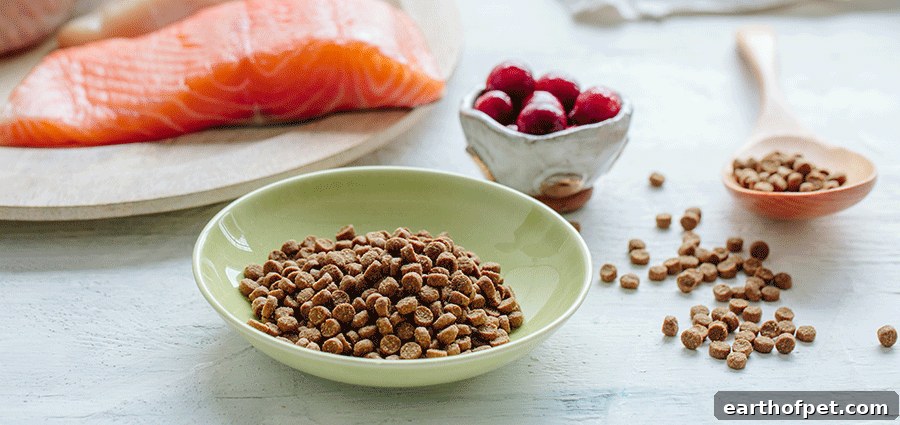
A diet higher in quality animal proteins—such as chicken, turkey, or salmon—can better match the nutritional needs of dogs and support long-term health. Protein is a primary macronutrient with many roles in the body:
- It is essential for growth and maintenance of nearly all tissues.
- Proteins supply amino acids used to build skin, coat, muscles, cartilage, tendons, and ligaments.
- They form enzymes that catalyze metabolic reactions, hormones that regulate body systems, and antibodies that support the immune system.
- Higher-quality protein contributes to a healthy coat, lean muscle mass, and robust immune function.
- Palatable, meat-rich foods often increase meal enjoyment and help ensure consistent intake.
When meat-rich proteins are included in larger amounts in a dog’s diet, a dog can both look and feel better.
Choosing a Brand or Formula
A protein-rich diet paired with moderate fat and controlled carbohydrate sources can support dogs across life stages—from active puppies to older, less active dogs. Avoid treating canine nutrition as if your pet has a wild wolf’s energy needs: many “feed-your-dog-like-a-wolf” products are high in both protein and fat, which may be excessive for a typical pet with lower daily activity. Look for formulas that emphasize quality meat ingredients, balanced fat levels, and whole-food carbohydrates like fruits and vegetables for a rounded nutrient profile.
When assessing brands, read the guaranteed analysis and ingredient list to confirm the primary protein sources are named meats (for example, chicken, turkey, or salmon) rather than vague meat meals or by-products. Also consider formulas that include beneficial additions such as omega fatty acids, fiber sources, and targeted vitamins and minerals to support overall health.
Are There Dogs That Shouldn’t Eat a High-Protein Diet?
Several common concerns about higher-protein diets are not supported by the broader scientific literature:
FACT #1: Protein does not directly cause musculoskeletal problems in large-breed puppies.
Research comparing diets with differing protein levels (for example, 15%, 23%, and 32% protein) did not show a direct link to skeletal developmental disorders in breeds such as Great Danes. More influential factors for orthopedic problems are excess calorie intake and excessive calcium supplementation—so proper calorie control and appropriate mineral balance are critical for large-breed puppies.
FACT #2: Higher-protein diets can aid weight loss and body composition.
With canine obesity rates high, diets that provide relatively more protein and fewer carbohydrates have been shown to help dogs lose fat while preserving lean muscle mass. That preserved muscle contributes to improved mobility and metabolic health compared with high-carbohydrate, low-protein diets.
FACT #3: Older dogs often benefit from higher protein without harming kidney function.
As dogs age they generally need more protein to maintain muscle mass and mobility. Numerous studies indicate that feeding adequate or higher protein to healthy senior dogs supports lean body mass and does not cause kidney damage. Protein restriction is typically reserved for dogs diagnosed with advanced chronic kidney disease and should be guided by a veterinarian; restricting protein in healthy older dogs can be counterproductive.
How to Transition Your Dog to a High-Protein Diet
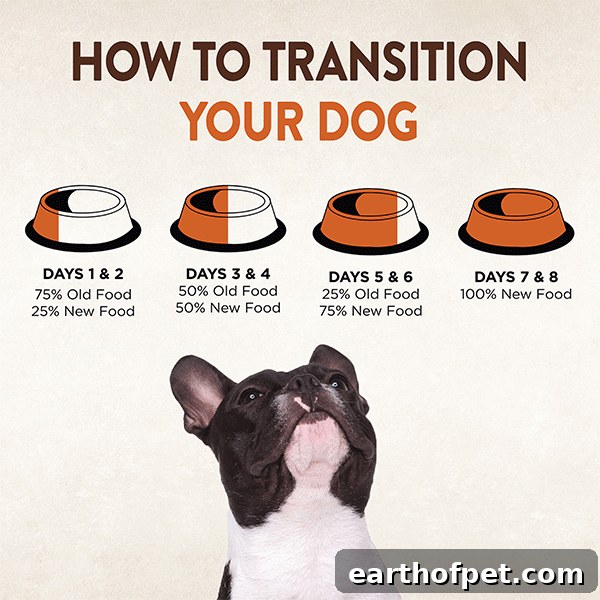
Most dogs adapt to a new, higher-protein food within four days using a gradual mix-over method. If your dog has a sensitive stomach, extend the transition to 7–10 days. A typical 4-day plan looks like this:
- Day 1: 25% new food + 75% current food
- Day 2: 50% new food + 50% current food
- Day 3: 75% new food + 25% current food
- Day 4: 100% new food
For a slower transition, increase the new food by smaller increments over 7–10 days. Watch your dog for digestive upset—loose stool, vomiting, or reduced appetite—and pause or slow the transition if needed. If gastrointestinal symptoms persist, consult your veterinarian.
Final Notes
Choosing the right protein level means balancing quality ingredients, guaranteed analysis, and your dog’s life stage, activity level, and health needs. High-protein diets based on named meat sources can support muscle, coat, immune function, and overall vitality when formulated with appropriate fat and carbohydrate levels. Always read the guaranteed analysis, monitor your dog’s body condition and energy, and consult your veterinarian for personalized guidance—especially if your dog has chronic health issues.