Good dental care is essential to your dog’s health and happiness. Like people, dogs benefit from daily at-home dental attention. It’s best to begin when your dog is young, but it’s never too late to start a consistent routine. Left unmanaged, oral problems can lead to dental disease, which is one of the most common health issues in dogs—affecting a large percentage of adults and even more seniors. Poor oral health can cause pain, difficulty eating, bad breath, and can even affect other organs if bacteria spread, so taking an active role in your dog’s dental care at home is important for their overall wellbeing.
Let’s talk what method is best when it comes to at home care
There are several effective options to support your dog’s dental health at home. Common approaches include:
- Regular toothbrushing with a dog-specific toothbrush and toothpaste
- Daily dental chews designed to reduce plaque and tartar
- Special dental diets formulated to promote oral health
- Durable dental toys that encourage chewing and mechanically reduce plaque
- Veterinarian-recommended water additives or oral rinses
Before you establish any home routine, assess your dog’s current oral condition. Dogs with heavy tartar buildup, inflamed gums, or signs of dental disease should see a veterinarian for a professional exam and cleaning. A veterinary dental cleaning removes hardened tartar and allows the vet to evaluate teeth and gums thoroughly. After a professional cleaning, at-home efforts like brushing and appropriate chews will be far more effective at keeping your dog’s mouth healthy.
Among at-home options, toothbrushing is widely accepted as the gold standard. Brushing reaches all tooth surfaces, disrupts daily plaque accumulation, supports gum health, and helps prevent tartar formation when performed consistently.
So how do you brush your dog’s teeth?
Many dog owners feel anxious about brushing their pet’s teeth, but with patience and the right approach it can become a calm, positive routine. Start slowly and use gentle, reassuring handling so your dog learns to accept mouth contact.
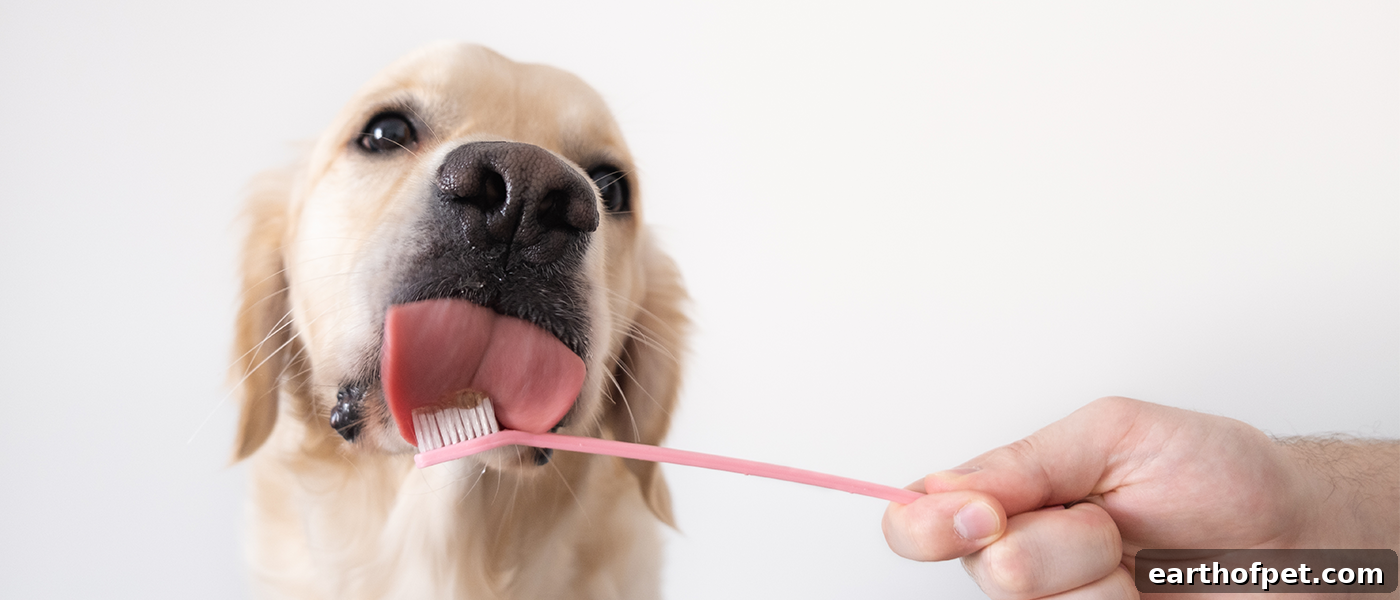
Gather a soft-bristled toothbrush or a finger brush made for dogs and a dog-specific toothpaste (never use human toothpaste). Begin by touching your dog’s muzzle and lips briefly, then gradually introduce light contact with the teeth and gums over several short sessions. Let your dog lick a bit of the toothpaste to associate the experience with something pleasant.
When introducing the toothbrush, allow your dog to sniff and taste it first. Place a small amount of toothpaste on the brush and let your dog lick it off. Then, with your dog relaxed and preferably sitting or standing on a familiar surface, lift the lip and make small circular strokes on the outside surfaces of the teeth. Focus initially on the easiest-to-reach front teeth and gradually work toward the molars as your dog becomes more comfortable. Aim to brush both the outside and, when possible, the inside surfaces of the teeth, as well as gently along the gum line where plaque tends to collect.
Keep sessions short at first—just a minute or so—and praise your dog throughout. End every session with a reward, whether a favorite treat, a short play session, or affectionate praise, to reinforce the positive association and encourage ongoing cooperation.
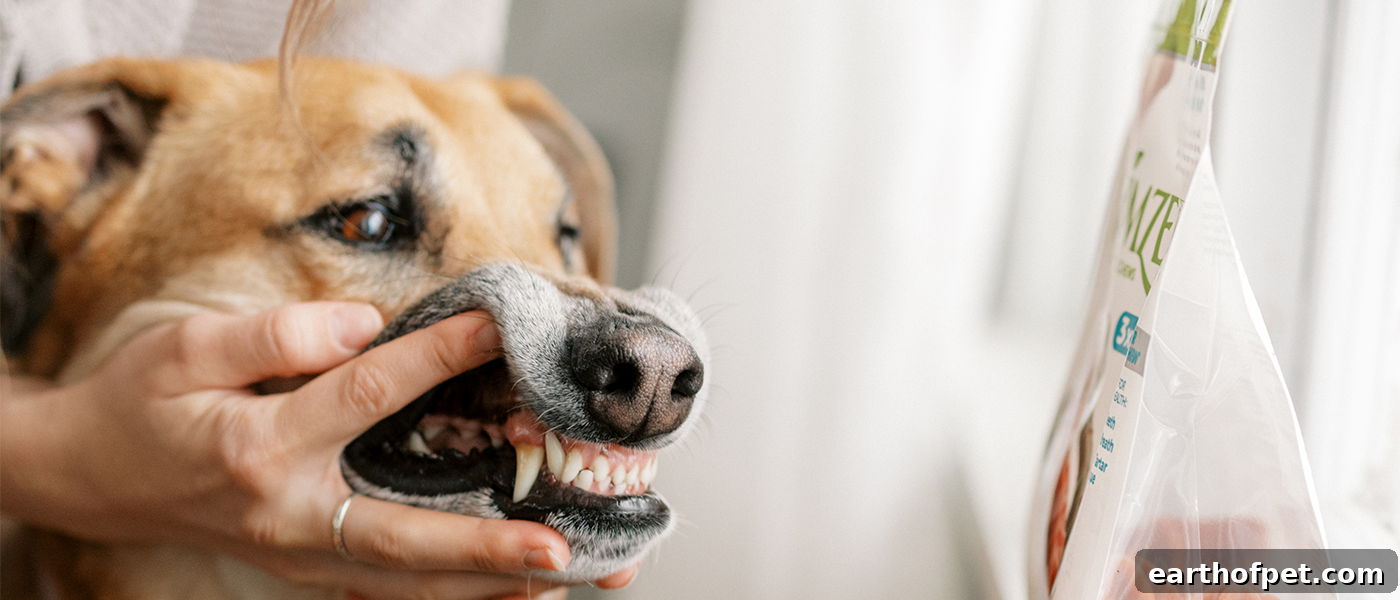
How frequently should you brush your dog’s teeth?
Plaque begins forming quickly—within 24 hours—so daily brushing is the most effective way to control buildup and maintain oral health. Daily routines not only reduce plaque and tartar formation but also help your dog become accustomed to the process. Aim for about two minutes of brushing time each day to thoroughly clean accessible tooth surfaces. Consistency is key: this small daily commitment can significantly impact your dog’s dental health, comfort, and breath.
What if my dog and tooth brushing are two things that simply won’t go together?
Not every dog will tolerate regular brushing, and that’s okay—there are other supportive choices. Daily dental chews can be a practical alternative for dogs that resist toothbrushes. Many dental chews are textured to help remove soft plaque mechanically and are flavored to appeal to dogs, making them an easy way to support oral health when brushing isn’t possible. Complete dental care often uses a combination of methods: brushing when feasible, supplemented with veterinarian-recommended chews, dental toys, or special diets.
If you’re unsure which products or routines are right for your dog, consult your veterinarian. They can recommend safe, effective chews or diets and advise on how to introduce brushing gradually. Regular veterinary check-ups, combined with consistent at-home care, will give your dog the best chance for healthy teeth, comfortable gums, and a better quality of life.