How Long Can Wet Cat Food Sit Out? A Practical Guide for Cat Owners
You open a fresh can or pouch of wet cat food, serve a portion, and your cat happily nibbles for a few minutes before wandering off. Now you’re left wondering: how long can wet cat food safely remain in the dish? Is it okay to leave leftovers for later?
How long does wet cat food last at room temperature?
For food safety and palatability, wet cat food should not be left out for more than one to two hours. At room temperature, wet foods are ideal breeding grounds for bacteria and mold. Even if the food hasn’t visibly changed, harmful bacteria can multiply quickly, increasing the risk of digestive upset or foodborne illness for your cat. In addition, wet food that sits out loses moisture and can develop an unappealing texture and smell that many cats will refuse to eat.
Does covering the bowl help?
Covering the dish or placing a lid over canned or pouched food can slow the drying process and reduce exposure to airborne contaminants, but it does not stop bacterial growth entirely. If you plan to save a serving for later, it’s safer to transfer the uneaten portion to a sealed container and refrigerate it as soon as possible.
What happens if wet food is mixed with dry kibble?
Dry kibble by itself is formulated to remain safe and palatable when left out for extended periods, but once mixed with wet food the mixture should be treated like wet food. The added moisture increases the risk of bacterial growth, so any combination of wet and dry in the same bowl should be put away within the same one- to two-hour window.
Is there a difference between canned food and pouches?
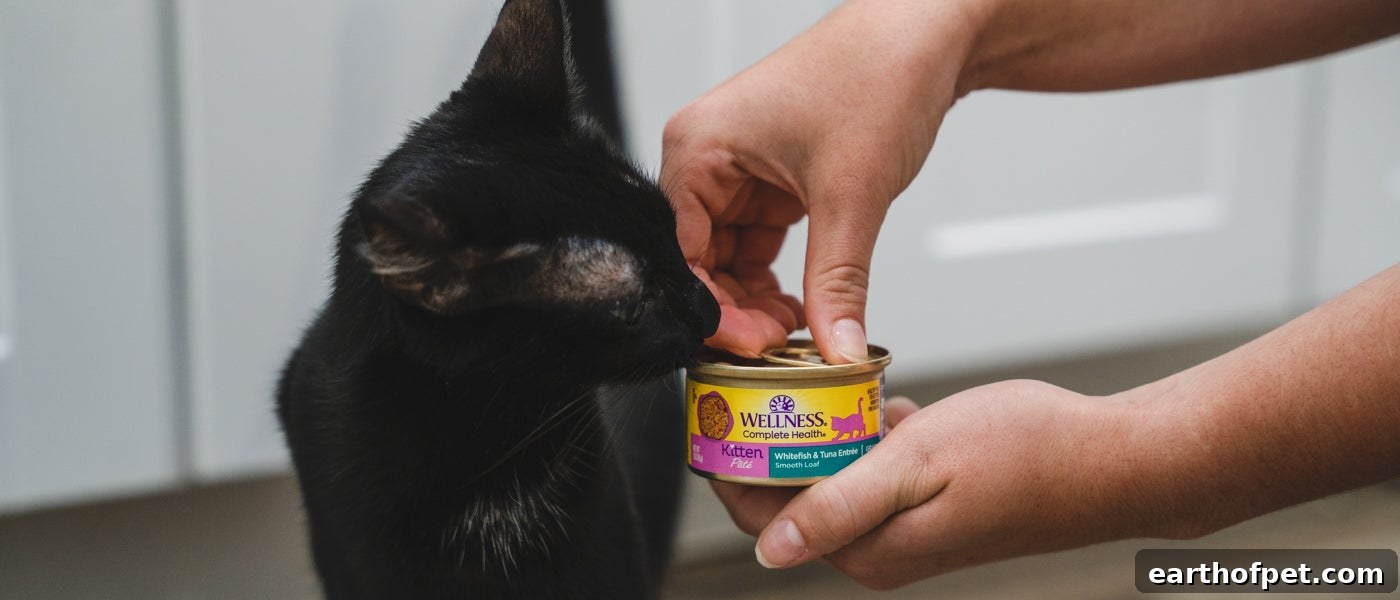
Whether the wet food came from a can or a pouch does not change how it should be handled. Both are perishable once opened and should be served fresh. If you have leftovers, store them promptly in the refrigerator in a sealed container to preserve quality and safety.
How to handle leftover wet cat food
If your cat leaves part of a serving, follow these steps to store it safely:
- Transfer the remaining food to a clean, airtight container rather than leaving it in the opened can or pouch, which can speed oxidation and off-flavors.
- Refrigerate the sealed container promptly. Most opened wet cat food stored in the fridge should be used within 24–48 hours for best quality and safety.
- Before serving refrigerated wet food, allow it to come close to room temperature or gently warm it for a few seconds (stir and test the temperature to avoid hot spots). Many cats prefer their meals warmed slightly.
- If food develops a foul odor, changes color, or shows signs of mold, discard it immediately.
The importance of feeding fresh food
Fresh, wholesome meals are important for your cat’s health and appetite. Just as people prefer fresh food, cats are more likely to eat and digest food that smells and feels fresh. Maintaining meal freshness also helps you manage portion control and prevents waste.
Here are practical tips to keep your cat’s food fresh and appealing:
- Establish a feeding schedule: Scheduled meals rather than free-feeding help ensure that food is eaten shortly after serving and stays fresh. Regular feeding times also make it easier to monitor appetite and calorie intake.
- Serve appropriate portion sizes: If your cat consistently leaves uneaten wet food, try smaller servings or single-serve pouches so less is left to store.
- Rotate textures and flavors: Cats can be picky about texture as well as flavor. If your cat leaves food frequently, experiment with pâté, chunks in gravy, or shredded varieties to find what it prefers.
- Store food properly: Keep unopened cans and pouches in a cool, dry place. For opened packages, use airtight containers in the refrigerator.
- Consult your veterinarian: If your cat suddenly stops eating or shows a change in appetite, appetite-related behavior, or digestion, seek veterinary advice to rule out health issues.
Handling wet cat food with care protects your cat’s health and keeps mealtimes enjoyable. When in doubt, err on the side of caution: remove uneaten wet food after an hour or two, refrigerate promptly, and discard leftovers that are more than a day or two old or show any spoilage.
Note: If you have specific questions about diet, storage times, or your cat’s health, your veterinarian can provide advice tailored to your pet’s needs.