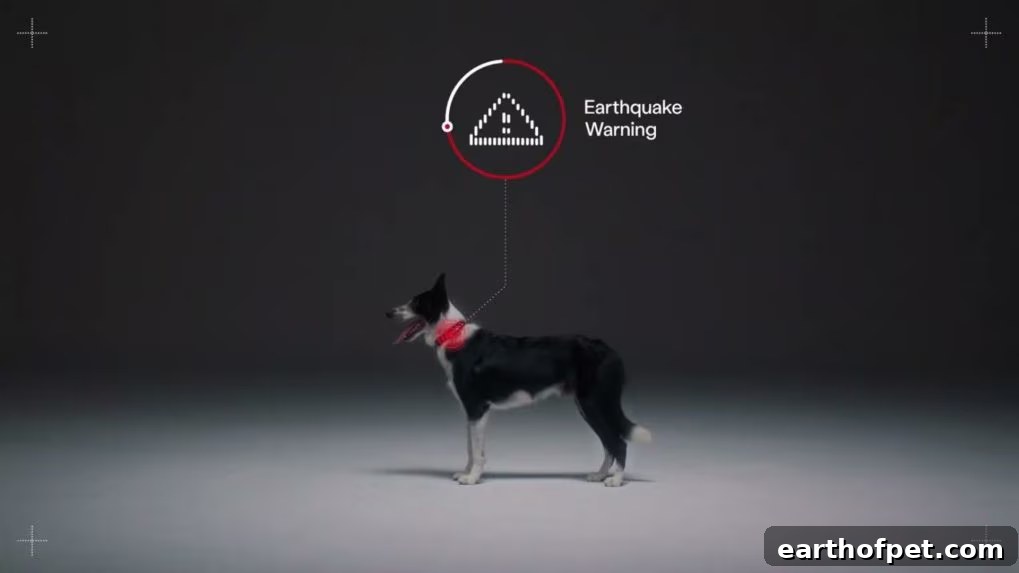
Lima’s Pet-Powered Earthquake Early Warning System: Dogs Help Detect Seismic Activity
In March 2024, Lima, Peru introduced an unprecedented approach to earthquake early warning by using pet health data collected from smart collars. Branded as an “Animal Alerts” initiative, the system relies on PetPace collars fitted to companion dogs to monitor physiological and behavioral signals in real time. When multiple animals show simultaneous spikes in anxiety or altered vital signs, the platform interprets those patterns as potential indicators of nearby seismic activity and issues city-wide alerts through mobile notifications, digital billboards, and radio broadcasts.
This inventive use of animal behavior and wearable pet technology addresses a pressing public safety need in Lima, a city situated in one of the world’s most earthquake-prone regions. With a metropolitan population exceeding nine million people, early warning and rapid public notification can make the difference between organized evacuation and chaotic response. The Animal Alerts system aims to add an extra layer of situational awareness by combining conventional monitoring with the natural sensitivity of dogs to environmental changes.
According to reports following the launch, the service registered 18 seismic events within its first month of operation. In those cases, coordinated changes in dogs’ physiological markers—such as heart rate and activity level—triggered alerts that reached residents through multiple communication channels. Those early warnings provided valuable seconds or minutes for people to move to safer locations, shut off critical systems, or take other immediate protective actions.
How the System Works
The core components of the Animal Alerts system are wearable pet collars that transmit continuous health and behavior data to a centralized monitoring platform. PetPace collars capture metrics including heart rate variability, activity levels, and behavioral indicators that can reflect stress or agitation. The platform applies rules and algorithms to detect simultaneous anomalies across geographically distributed animals. When a cluster of dogs in a particular area exhibits synchronized anxiety spikes, the system automatically escalates the observation to an alert and disseminates a public warning through mobile push notifications, digital billboards in public spaces, and radio announcements.
By aggregating signals from many animals rather than relying on any single pet, the system reduces false positives and improves reliability. The multi-channel notification strategy is designed to reach residents with different communication preferences and to ensure alerts are widely visible in both private and public spaces.
Recognition and Impact
The campaign quickly attracted international attention for its creative blending of animal behavior research and practical disaster preparedness. It received multiple industry awards, including four Eurobest Awards and a total of six Cannes Lions Awards across 2024 and 2025 (four in 2024 and two in 2025). These honors highlight how human-centered design, technology, and unconventional data sources can combine to produce meaningful social impact.
Beyond accolades, the project’s practical value lies in offering additional seconds of warning for a heavily populated city. Even modest lead times can enable residents to take life-saving actions, reduce panic, and lower the risk of injury during the initial moments of an earthquake. Animal Alerts complements existing seismic monitoring networks by providing a community-driven, distributed sensing layer that taps into pets’ natural sensitivity to subtle environmental changes.
Considerations and Future Directions
Deploying a system based on animal health data raises operational and ethical considerations, including data privacy, informed consent from pet owners, and the need for transparent protocols to minimize false alarms. Effective implementation requires clear communication with participating owners, robust data security practices, and ongoing evaluation to validate correlations between animal signals and seismic events.
As urban centers explore innovative ways to improve disaster preparedness, the Lima example demonstrates that collaborations between municipal authorities, technology providers, and communities can yield novel solutions. Using wearable pet technology as part of a layered early warning strategy is an example of how diverse data sources—human and animal—can be integrated to enhance public safety.
Read the full article: How dogs became Lima’s earthquake early warning system – Storyboard18