Homemade Dog Food: Recipes and Guidelines
Many dog owners prefer preparing food at home, seeking control over ingredients and quality. Homemade diets can work well—however, creating nutritionally complete, balanced formulations is challenging. Most owner-prepared recipes lack adequate nutrients, creating subtle deficiencies that develop over time. This complete guide explores homemade dog food, proper formulation, recipes, and essential supplementation ensuring your homemade feeding supports your dog's health.
Why Dogs Need Complete, Balanced Nutrition
Dogs require specific nutrients in precise ratios. Protein, fat, carbohydrates, vitamins, and minerals must be adequate—neither deficient nor excessive. Calcium-to-phosphorus ratios, for instance, are critical. Too much calcium inhibits iron absorption; too little causes skeletal problems. This complexity is why complete, balanced nutrition is challenging without professional guidance.
Studies of homemade dog food recipes, including those from veterinary websites, found over 95% contained at least one significant nutrient deficiency. This included recipes from supposedly reputable sources. Deficiencies develop gradually, causing hidden damage before obvious symptoms appear.
Working With a Veterinary Nutritionist
Before preparing homemade dog food, consult a board-certified veterinary nutritionist (Diplomate ACVN). They assess your dog's individual needs, develop customized recipes, recommend supplementation, and provide ongoing monitoring.
This professional guidance prevents nutritional deficiencies and ensures your homemade diet actually benefits your dog's health. While adding cost, it's worthwhile compared to risks of improperly formulated diets.
Find veterinary nutritionists through the American College of Veterinary Nutrition (ACVN) website or ask your veterinarian for referrals.
General Homemade Diet Composition
A basic homemade diet composition typically includes:
- 40-50% meat (protein source)
- 30-40% vegetables and grains (carbohydrates, fiber, vitamins, minerals)
- 10% organ meat (nutrient-dense)
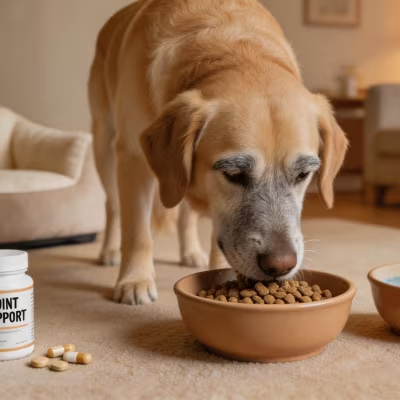
- Supplements (calcium, vitamin D, omega-3s, minerals)
Exact percentages depend on individual dog needs, ingredients used, and other factors. This is why professional formulation is essential.
Protein Sources for Homemade Diets
Meat provides complete proteins with all amino acids dogs need. Excellent protein sources include:
Lean Meats: Chicken, turkey, lean beef, lamb. These are digestible, palatable, and nutrient-rich. Remove excess fat to prevent digestive upset in some dogs.
Fish: Salmon, mackerel, sardines provide omega-3 fatty acids beneficial for coat and joint health. Feed cooked to eliminate parasites. Canned fish (bones included) provides bioavailable calcium.
Eggs: Excellent complete protein, digestible, and inexpensive. Raw or cooked are both acceptable, though cooked eliminates potential pathogens.
Organ Meats: Liver, kidney, and other organs are nutrient-dense, supporting overall health. Use in moderate amounts (10% or less) due to concentration of certain nutrients.
Legumes: While incomplete proteins, beans and lentils contribute protein, fiber, and important nutrients. Combine with animal proteins for complete amino acid profiles.
Carbohydrate and Vegetable Sources
Carbohydrates and vegetables provide fiber, vitamins, minerals, and energy. Excellent sources include:
Grains: Brown rice, oats, barley, quinoa. Whole grains provide more nutrients than refined versions. Cook thoroughly for digestibility.
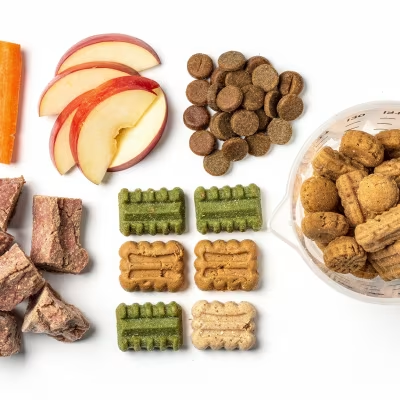
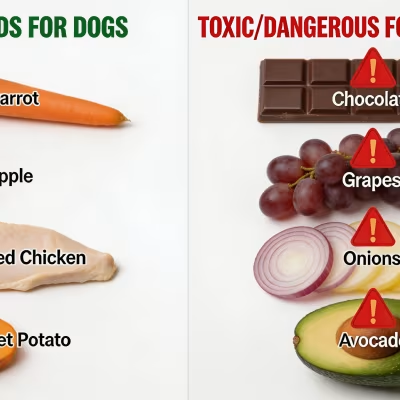
Vegetables: Carrots, green beans, sweet potatoes, peas, broccoli. Vegetables provide fiber, vitamins, and minerals. Chop or cook to increase digestibility.
Fruits: Apples (remove seeds), bananas, blueberries add variety and nutrients. Use in moderation due to sugar content.
Avoid toxic vegetables: onions, garlic, grapes, and raisins are toxic to dogs. Avocado, chocolate, and macadamia nuts are also toxic.
Essential Supplements for Homemade Diets
Most homemade diets require supplements to ensure nutrient adequacy. Essential supplements typically include:
Calcium Supplement: Critical for maintaining proper mineral balance. Calcium carbonate, calcium citrate, or fish meal provide bioavailable calcium. Adequate calcium is particularly important for growing puppies.
Fish Oil: Provides omega-3 fatty acids supporting coat health, joint function, and cognitive function. Dosing depends on dog size and diet composition.
Vitamin E: Fat-soluble vitamin supporting immune function and protection against oxidative damage.
Vitamin D: Essential for calcium absorption and bone health, though must be carefully dosed to avoid toxicity.
B — Vitamin Complex: Supports energy metabolism and nervous system function.
Zinc and Iron: Essential minerals often deficient in homemade diets, particularly if lacking adequate organ meat.
Your veterinary nutritionist will recommend specific supplements, appropriate dosages, and forms for your dog's needs.
Basic Homemade Dog Food Recipe
Note: This recipe provides general guidance. Professional formulation by a veterinary nutritionist is essential before feeding longterm.
Simple Chicken and Rice Diet
Ingredients (daily portion for medium dog):
- 2 cups cooked chicken (lean)
- 1 cup cooked brown rice
- 1/2 cup mixed vegetables (carrots, green beans, peas)
- 1/4 cup cooked organ meat (liver or kidney)
- Supplements (calcium, fish oil, vitamin E, as recommended by nutritionist)
Preparation:
- Cook chicken thoroughly, removing skin and excess fat
- Cook rice until soft, cool completely
- Cook vegetables until soft (steaming preserves nutrients)
- Cook organ meat thoroughly
- Mix all ingredients together
- Add recommended supplements
- Cool before serving
Storage: Refrigerate for up to 3 days or freeze in portions for later use.
Important: This recipe is an example only. Have a veterinary nutritionist develop a personalized recipe accounting for your dog's specific needs, including appropriate supplement doses.
Meal Preparation and Storage
Weekly Batch Cooking
Prepare meals in bulk weekly, freezing portions for convenience. Use ice cube trays for puppies, freezer bags for adult dogs. Label portions with preparation date for rotation.
Thaw portions in the refrigerator before serving. Avoid thawing at room temperature, which encourages bacterial growth. Most thawed portions last 24-48 hours refrigerated.
Ingredient Preparation
Thoroughly cook all meat and organ meat to eliminate parasites and pathogens. Cook vegetables and grains until soft for digestibility. Cool all ingredients before mixing and serving.
Use fresh ingredients and avoid storing cooked food longer than a few days. Proper storage prevents food spoilage and bacterial growth.
Transition and Feeding Guidelines
Transitioning to Homemade Food
Gradually introduce homemade food over 7-10 days, mixing increasing amounts with previous food. This gradual transition prevents digestive upset. Rapid dietary changes cause vomiting or diarrhea as digestive systems adjust.
Monitor your dog during transition for signs of digestive upset, allergies, or other concerns.
Portion Sizes
Daily food requirements vary by dog size, age, activity, and metabolism. Generally, adult dogs require 2-3% of body weight daily. A 50-pound dog might need 1-1.5 pounds of food daily.
Adjust portions based on your dog's body condition. Ribs should be palpable without being visibly prominent. Weigh your dog regularly, adjusting portions as needed to maintain ideal body condition.
Nutritional Monitoring
Regular Blood Work
Have bloodwork performed 6-8 weeks after starting homemade feeding to identify any developing deficiencies. Regular monitoring (every 6-12 months) catches problems early.
Your veterinarian can perform bloodwork assessing kidney and liver function, electrolytes, and protein status. Results guide adjustments to recipes or supplementation.
Physical Observations
Watch for signs of nutritional problems:
- Dull coat or hair loss (protein/fat deficiency)
- Lethargy or weakness (energy deficiency or B-vitamin deficiency)
- Joint problems or skeletal abnormalities in growing puppies (calcium/phosphorus imbalance)
- Digestive upset (inappropriate ingredients or food sensitivity)
- Weight loss or poor growth (inadequate calories or nutrients)
Report any concerning signs to your veterinarian immediately.
Advantages of Homemade Diets
When properly formulated, homemade diets offer advantages:
- Control: Complete ingredient control allows accommodating specific allergies or sensitivities
- Freshness: Using fresh whole foods provides nutrients that may be diminished in commercial processing
- Customization: Professional formulations account for your dog's specific health needs
- Connection: Preparing food creates special bond between you and your dog
Disadvantages and Challenges
- Time-Intensive: Batch cooking requires significant time investment
- Cost: Quality ingredients and professional nutritionist consultation add expense
- Complexity: Proper formulation is genuinely challenging without professional guidance
- Risk: Improperly formulated diets cause nutritional deficiencies
- Consistency: Maintaining consistent recipes and nutrient ratios requires discipline
When Homemade Feeding Makes Sense
Homemade diets are worthwhile if:
- Your dog has multiple food allergies limiting commercial options
- You prefer controlling all ingredients for philosophical or quality reasons
- Your dog has specific health conditions benefiting from customized nutrition
- You're willing to invest time, money, and effort in proper formulation and monitoring
For dogs in great shape on quality commercial diets, the benefits of homemade feeding may not justify the investment and effort required.
Conclusion
Homemade dog food can work beautifully when formulated by veterinary nutritionists and properly monitored. However, most owner-prepared recipes lack nutritional adequacy, creating risks of deficiency. Before preparing homemade food, consult a board-certified veterinary nutritionist, develop properly formulated recipes, implement appropriate supplementation, and commit to regular monitoring. With professional guidance and dedication, homemade diets can support your dog's health and provide the quality and freshness benefits you're seeking.


0 Comments
No comments yet. Be the first to share your thoughts!
Leave a Comment