On a bright summer day, how hot can dogs get? You might assume panting after chasing a ball is normal, or that a dog panting while walking in full sun is simply because he’s wearing a fur coat. But panting in the shade can be a warning sign, too. Heat stroke in dogs isn’t always obvious, and when it isn’t recognized early the consequences can be severe. This article explains why heat is so dangerous for dogs, how to recognize the warning signs of heat exhaustion, and what immediate first aid steps to take.

Heat Exhaustion in Dogs
The Risks of Rising Body Temperature
Heat changes the chemistry of living tissue. Just as heat transforms an egg on a hot sidewalk, elevated temperatures alter blood consistency, damage proteins, and impair organ function in dogs. A dog’s body works hard to maintain a narrow normal temperature range (roughly 101–102.5°F). Even a rise of 3°F above normal can impair circulation, encourage micro-clots to form, and cause protein breakdown that may flood the lungs with fluid. At around 108°F, the brain and internal organs sustain catastrophic injury.
Be Vigilant for Signs of Heat Stroke
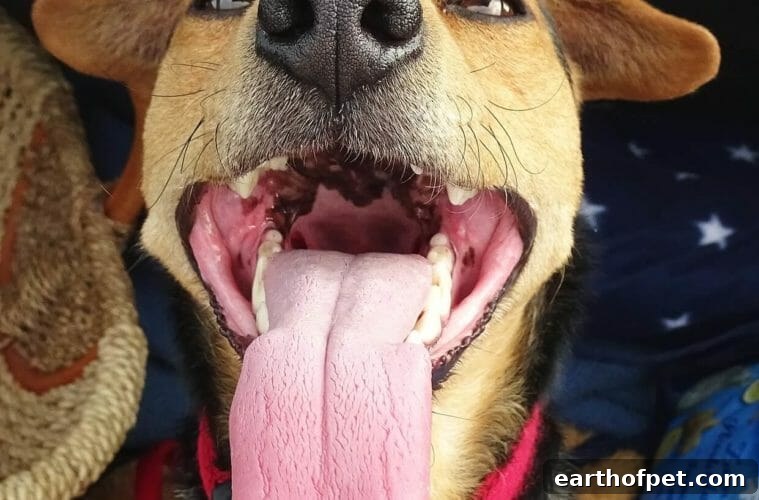
The earlier you spot heat stress, the better the outcome. Early signs include lagging behind on walks, excessive panting, and a dry mouth. As heat stress progresses, watch for:
- Shaking or tremors
- Difficulty standing or weakness
- Rapid, shallow breathing
- Dry mouth and nose (drooling may occur in advanced stages)
- Staggering, confusion, or disorientation
- Elevated heart rate
- Gums that appear pale, gray, or very bright red
- Vomiting or diarrhea
If untreated, heat exhaustion can quickly escalate to collapse, seizures, coma, and death. Any of these signs should be treated as an emergency.

Heat Exhaustion in Dogs
Work Out the Risk Factors
Just as you take precautions to prevent accidents on a busy road, take proactive steps to reduce heat-related risk. Understand which situations and dog types are most vulnerable and plan accordingly.
Hot Cars
Leaving a dog in a parked car is extremely dangerous. A car acts like a greenhouse: glass traps heat and temperatures rise quickly. On an outside temperature of just 70°F, the interior can increase by nearly 20°F within 10 minutes and reach around 104°F in 30 minutes. Even mild weather can become life-threatening for dogs, especially those with breathing difficulties.
Flat-Faced (Brachycephalic) Breeds
Pugs, boxers, bulldogs and other brachycephalic breeds pant more frequently as part of normal breathing, which makes it harder to tell when they’re overheating. Their anatomy limits effective cooling, so these dogs have a much smaller margin for safety in warm conditions. Owners should be especially cautious and take extra measures to keep these pets cool.
Thick-Coated Breeds
Dogs with heavy coats can also struggle to shed heat during exercise or warm weather. While a dense coat offers insulation from cold, it can trap heat when temperatures climb. Keep heavy-coated dogs shaded, provide plentiful fresh water, and restrict strenuous activity to the coolest parts of the day—early morning and late evening.
Monitoring: How Technology Can Help
When a dog’s normal behavior already includes frequent panting, it can be difficult to detect the difference between routine breathlessness and dangerous heat stress. Wearable monitors like activity and health-tracking collars can play a lifesaving role by continuously measuring body temperature, heart rate, and respiratory rate. When those vital signs deviate from normal, an automated alert can help you act quickly before the situation becomes critical.
First Aid for a Overheated Dog
If you suspect heat exhaustion, begin cooling your dog immediately and contact a veterinarian. Treat heat stroke as a true emergency. Steps to reduce body temperature safely include:
- Move the dog into shade or an air-conditioned area.
- Call your vet or an emergency clinic for guidance and transport.
- Carry, rather than force the dog to walk, if he is weak.
- Use a fan or circulating air to aid cooling.
- Offer small amounts of cool water, or wet the dog’s mouth and gums if he won’t drink.
- Wet the coat with cool—never ice-cold—water; avoid placing ice directly on large muscle masses.
- Dip the paws in cool water and place a wet towel over the neck or groin to help lower core temperature.
Early recognition and intervention dramatically improve recovery. Dogs that are left alone for long periods in warm environments or belong to at-risk breeds should have appropriate monitoring and a plan to keep them safe in hot weather.
Never underestimate how quickly heat can become deadly. Stay alert, know the warning signs of heat exhaustion and heat stroke in dogs, and be ready to act immediately to protect your pet.