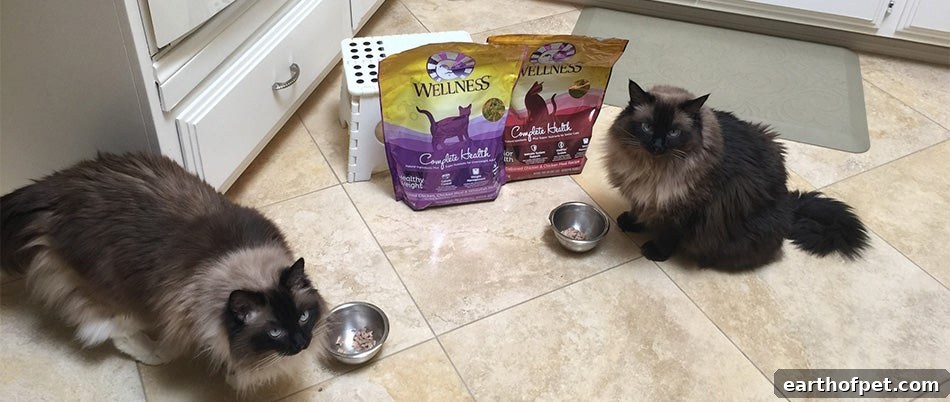
Switching your cat’s dry food to a higher-quality, nutrient-dense formula—such as Wellness CORE or Wellness Complete Health—is an excellent step toward supporting lifelong wellbeing. Because a cat’s digestive system is sensitive, abrupt changes can cause diarrhea, vomiting, or refusal to eat. A gradual, intentional transition helps prevent these issues and gives your pet the best chance to enjoy and benefit from the new food.
The most practical approach is a 5-day transition plan that gradually introduces the new kibble while allowing your cat’s digestive enzymes and microbiome to adapt. By mixing increasing amounts of the new food with decreasing amounts of the current diet, you minimize digestive upset and make the flavor change easier to accept. If your cat has a known sensitive stomach, you can extend this process to 7–10 days at the same ratios.
Why a Gradual Transition Matters
Cats have a delicate balance of gut bacteria and a sensitive sense of taste and smell. Rushing a food change can lead to:
- Gastrointestinal distress: Loose stools, gas, or soft feces are common when the gut is suddenly challenged.
- Appetite loss: Cats are often suspicious of new flavors and textures, so a sudden swap can trigger refusal to eat.
- Nutrient malabsorption: When the digestive system is stressed, it may not absorb vitamins, minerals, and other nutrients efficiently—even from a high-quality formula.
Step-by-Step: The 5-Day Wellness Transition Guide
Follow this simple schedule to move your cat onto the new Wellness dry food. Pay close attention to your cat’s behavior, stool quality, and eating habits at each stage. If anything seems off, slow the process and allow more time at the current ratio.
Day 1: The Introduction
- Ratio: 75% current food / 25% new Wellness dry cat food.
- Goal: Let your cat experience the new scent and flavor without shocking the digestive system. This small amount is enough to begin exposure while keeping most of the familiar diet unchanged.
Day 2: The Equal Mix
- Ratio: 50% current food / 50% new Wellness dry cat food.
- Goal: Monitor stool consistency and energy levels. Many cats handle a balanced mix well; this is a good point to confirm tolerance before increasing the new formula.
Day 3: The Wellness Majority
- Ratio: 25% current food / 75% new Wellness dry cat food.
- Goal: Make the new food the primary source of nutrition so your cat can benefit from the higher-quality proteins and other balanced ingredients.
Day 4: Almost There
- Ratio: 10% current food / 90% new Wellness dry cat food.
- Goal: A buffer day to ensure there are no lingering signs of digestive upset before completing the switch.
Day 5: 100% Wellness
- Ratio: 100% new Wellness dry cat food.
- Goal: Your cat is fully transitioned. Continue to monitor appetite, stool quality, coat condition, and energy over the coming weeks to confirm long-term tolerance.
Pro-Tips for a Successful Food Swap
- Maintain routine: Keep feeding times, bowl location, and the feeding environment consistent to reduce stress during the change.
- Use a topper: If your cat is picky, add a small spoonful of a palatable topper—such as Wellness CORE Bowl Boosters—or a little wet food to make the new kibble more appealing.
- Hydration matters: High-protein diets can increase the need for water. Always provide fresh water and consider wet food options if hydration is a concern.
- Watch the litter box: If you notice loose stools, pause the transition at the current ratio for an extra two days before progressing. If diarrhea or vomiting persists, consult your veterinarian.
- Be patient with picky eaters: Some cats need several exposures to a new flavor before accepting it. Mixing small amounts into favorite food and maintaining calm, positive mealtime routines can help.
Why Choose Wellness for the Switch?
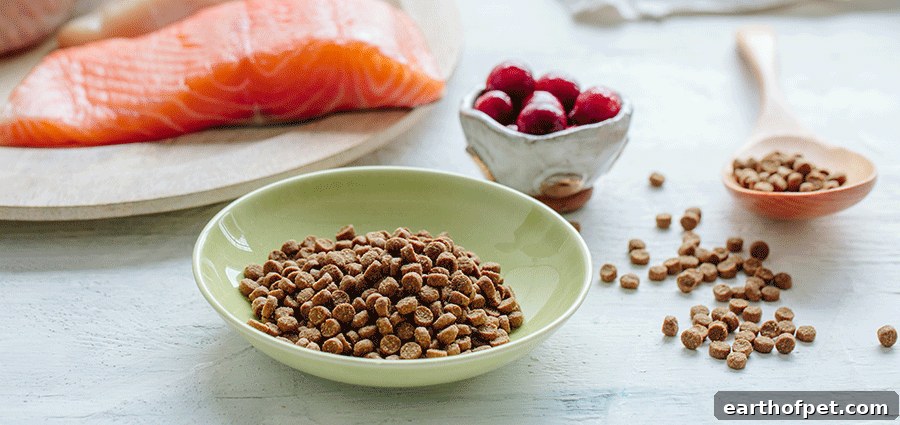
Choosing Wellness means selecting formulas designed to support overall feline health. These recipes emphasize high-quality proteins to help maintain lean muscle, include omega fatty acids from sources such as flaxseed and salmon oil to support skin and coat health, and often contain probiotics to promote digestive balance. When introduced thoughtfully, these ingredients can help your cat thrive over time.
If you’re ready to make the change, begin with the gradual schedule above and observe your cat closely. Slowing down the transition when needed is the best way to avoid setbacks and ensure the long-term benefits of a better-quality diet. If you have any concerns about your cat’s tolerance or underlying health conditions, seek advice from your veterinarian before completing the switch.