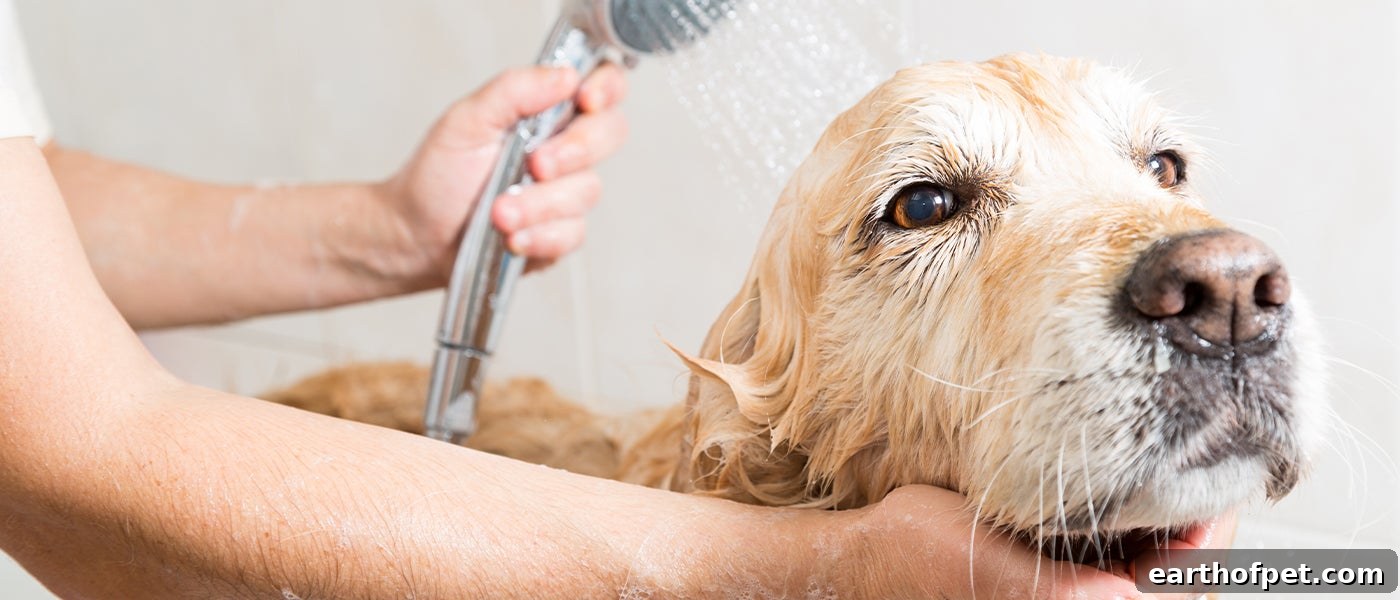
Removing Skunk Smell From Your Dog Is Not Easy
When your dog gets sprayed by a skunk, the odor can feel overwhelming. Skunk spray clings to fur and hair and can quickly fill the house if not handled correctly. Removing the odor requires prompt action and the right cleaning method — ordinary dog shampoo usually won’t do the job. The goal is to neutralize the smelly compounds so the scent doesn’t linger on your dog or in your home.
Act Quickly
The sooner you treat your dog after an encounter with a skunk, the better. Skunk spray can soak into the coat and skin, and the longer it remains, the more difficult it becomes to remove. Bring your dog to a suitable washing area as soon as you can and prepare the cleaning solution before you start bathing.
Bathe Your Dog Outside
Wash your dog outdoors if possible. Skunk spray contains volatile sulfur compounds called thiols that spread easily through indoor air and cling to fabrics and furniture. Bathing outside reduces the chance of contaminating carpets, curtains, and other indoor surfaces. Keep towels and any gear you plan to reuse away from the area until they can be washed separately.
Fight Skunk Stink with Basic Chemistry
Common home remedies such as tomato juice may cover the smell for a while but won’t remove the underlying chemicals. A simple, effective blend uses common household items to chemically neutralize the thiols rather than merely masking them. The recommended mix is:
- 1 quart (about 1 liter) of 3% hydrogen peroxide
- 1/4 cup baking soda (sodium bicarbonate)
- 1–2 teaspoons mild liquid dish soap
Mix these ingredients in an open container and use immediately. Do not substitute higher-concentration hydrogen peroxide, and never store the mixed solution — it can build pressure or break down over time.
Bathe Your Dog with the Special Formula
Apply the freshly mixed solution directly to your dog’s coat and work it in thoroughly, massaging down to the skin where possible. Avoid contact with your dog’s eyes, mouth, and any open wounds. The mixture will foam and help lift and neutralize the odor molecules. Let it sit for about five minutes; this allows the chemistry to work, but avoid leaving it on longer to reduce skin irritation risk.
Your dog may try to shake or lick the mixture off; use a leash, a helper, or a long-lasting chew or toy to keep them occupied while you work. After the dwell time, rinse thoroughly with warm water until the suds and residue are gone. Once rinsed, you can wash with your dog’s regular shampoo to remove lingering residue and to condition the coat.
Safety and Storage
Do not prepare and store the peroxide-baking soda solution in a closed container for later use. The reaction can produce gases and heat, making stored mixtures unstable and potentially hazardous. Always mix this remedy fresh and use it immediately. Keep hydrogen peroxide and other cleaning agents out of reach of pets and children and follow standard safety precautions: avoid ingestion and eye contact, work in a well-ventilated area, and dry your dog thoroughly afterward.
If your dog shows signs of skin irritation, eye irritation, prolonged discomfort, or if the spray hit sensitive areas such as the eyes or face, contact your veterinarian for guidance. In some cases, professional treatment may be needed.
Removing skunk odor is primarily a matter of acting quickly, using the right neutralizing solution, and rinsing thoroughly. Because skunk spray is composed of strong organic sulfur compounds, neutralization rather than simple masking is necessary. With prompt care and the correct method, you can significantly reduce or eliminate skunk smell and get your dog clean and comfortable again.
A clean dog is a healthy, happy dog. Your pet’s health and wellness matter, which is why many pet owners choose high-quality food and treats to support overall well-being.