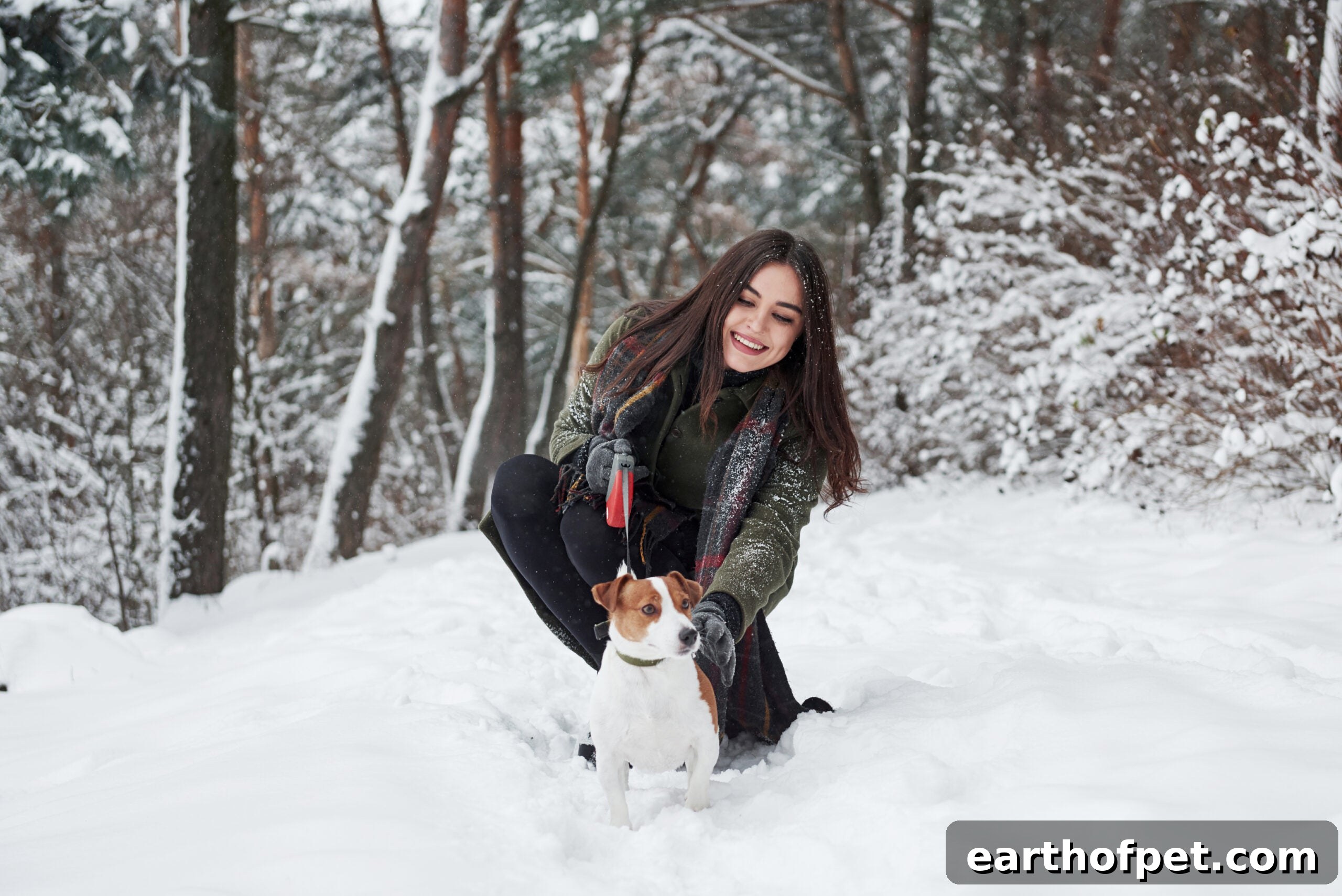
Winter brings colder temperatures and the risk of freezing or icy ground. Unless your dog is fully house-trained, you still need to take them outside for bathroom breaks and exercise. Those outings can expose your pet to frostbite, so it’s essential to know the causes, recognize the signs of frostbite in dogs, and take practical steps to prevent it.
CAUSES OF FROSTBITE ON DOGS
Frostbite happens when skin and the tissue beneath the skin freeze. When tissue freezes, blood flow is reduced or blocked, and cells can be damaged. As the area thaws and circulation returns, dogs may experience stinging, numbness, burning, pain, throbbing, or other neurological discomfort. Immediate attention is important because prolonged freezing can lead to permanent tissue damage.
Dogs develop frostbite after prolonged exposure to cold, wet, or windy conditions. In extreme cold, frostbite can begin very quickly—sometimes within a minute or less—so even short trips outside can be risky in the right conditions. Temperatures at or below 32°F (0°C) increase the risk, and freezing ground, snow, or ice makes paws and other exposed areas more vulnerable.
Commonly affected areas are the paw pads, ear tips, nose, tail tip, and any thinly furred regions. Small breeds, shorthaired dogs, puppies, and senior dogs are typically more susceptible, as are dogs that are wet, underweight, or ill.
HOW TO RECOGNIZE FROSTBITE ON YOUR DOG
Signs of frostbite in dogs are similar to those in people. Look at the most exposed areas after being outdoors, especially paws, ears, nose, and tail. Typical signs include:
- Skin that appears very pale, grayish, or blue-white due to lack of circulation.
- Cold, hard, or waxy-feeling skin at the affected area.
- Ice or frost may be visible on fur or skin.
- Pain responses such as yelping, whining, pulling a limb away, limping, or reluctance to move.
- Stiffness, clumsiness, or reluctance to bear weight on a limb.
- Swelling, and in some cases, blisters or skin ulcers that form as the area thaws.
If you notice any of these signs after cold exposure, bring your dog indoors immediately to a warm, dry area. Wrap them gently in blankets if they tolerate it. Do not rub or massage frostbitten tissue—rubbing can increase damage. Avoid applying direct high heat such as hair dryers, heating pads, or hot water bottles. Instead, warm the area gradually with body heat or warm (not hot) water at a comfortable temperature. Contact your veterinarian as soon as possible for professional advice and to determine whether urgent treatment is needed.
HOW TO PREVENT FROSTBITE FOR YOUR DOG
Prevention is the best way to protect your dog from frostbite. Practical steps you can take include:
- Protect vulnerable areas: cover paws, ears, and tail when temperatures are low. Paw protection is particularly important on icy or salted surfaces.
- Use appropriate clothing: a warm sweater or jacket and dog booties can greatly reduce exposure for short walks.
- Keep dogs dry: make sure your dog is dry before going out. Wet fur and damp paw pads lose heat faster and increase frostbite risk.
- Limit outdoor time: keep winter walks short—especially in very cold, windy, or wet conditions. Even healthy dogs should not stay out too long when it’s freezing.
- Choose the warmest time of day: walk during midday when temperatures are usually highest, and avoid early morning or late-night outings in severe cold.
- Shorten bathroom breaks: encourage quick bathroom trips rather than long play sessions in deep snow or ice.
- Provide a warm resting place: keep a cozy, insulated bed or blanket available indoors so your dog can warm up immediately after coming inside.
- Check regularly: after every outdoor outing, inspect paws, ears, nose, and tail for early signs of frostbite or injury.
Remember that some dogs have higher risk even at temperatures above freezing—older dogs, very young puppies, thin-coated breeds, and dogs with health conditions may need extra protection. Using warm clothing and booties, and watching the time spent outside, are simple, effective ways to reduce risk.
Taking these precautions, watching for early signs, and acting quickly if you suspect frostbite will help keep your dog safe and comfortable all winter. If you’re ever unsure, contact your veterinarian—prompt professional care can prevent complications and support a full recovery.