Puppies are a lot like newborns: they need constant attention, regular feeding, and gentle guidance as they grow. Bringing a puppy into your home is a rewarding experience, but it requires preparation and commitment. The following tips for first-time puppy owners will help you lay a strong foundation for a healthy, well-behaved dog and a happy household.
Tips to Consider When Adopting a Puppy for the First Time
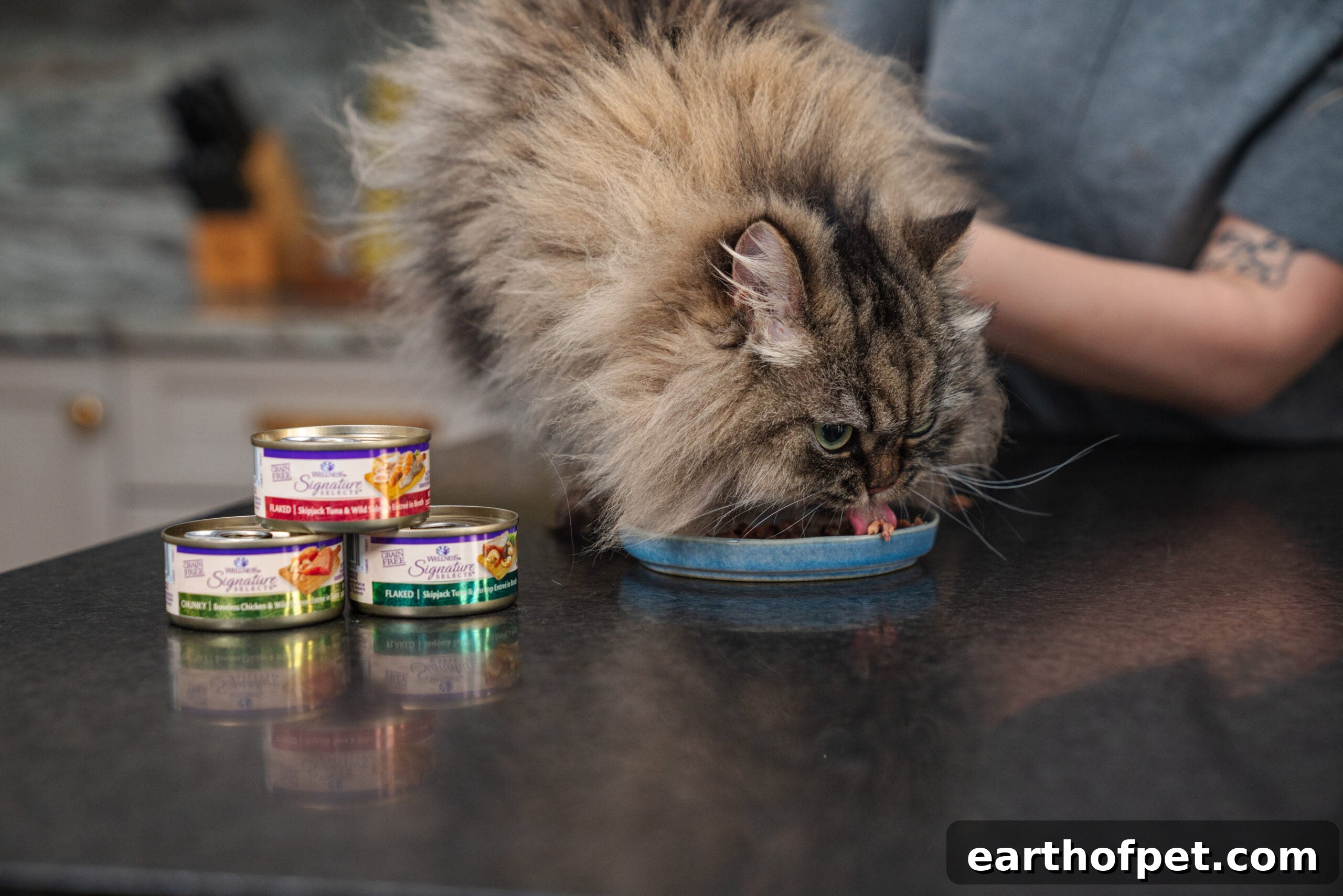
- Food: Choosing the right food is an important early decision. Puppies have specific nutritional needs that change as they grow, so pick a diet appropriate for your pup’s age, size, and breed. Work with the shelter staff and your veterinarian to determine the best food type and portion sizes. Establish a consistent feeding schedule and avoid sudden diet changes—transition gradually if you switch brands. High-quality kibble, wet food, or a vet-approved homemade plan can all work when matched to your pup’s needs.
- Housebreaking: Potty training takes patience and repetition. Establish a routine that includes frequent outdoor breaks, especially after meals, naps, and playtime. Supervise your puppy indoors, use puppy pads if needed during early stages, and reward successful outdoor trips with praise or small treats. Expect accidents and respond calmly—clean the area thoroughly to remove odors that might attract repeat soiling. Consistent timing, supervision, and positive reinforcement are the fastest path to housebreaking success.
- Toys and Puppy-Proofing: Puppies explore the world with their mouths, so puppy-proofing your home is essential. Put valuables, shoes, and electrical cords out of reach, and move houseplants and chemicals to higher shelves. Provide a variety of safe chew toys and rotate them to keep your puppy engaged. Consider using baby gates or closed doors to limit access to one or two supervised rooms while your puppy learns house rules. Crate training can be a helpful tool for safety, calm rest, and preventing unwanted chewing when you can’t supervise directly.
- Healthcare: Routine veterinary care is a major part of responsible ownership. Puppies will need an initial series of vaccinations, regular wellness checks, and timely parasite prevention. Discuss future costs with your vet so you can budget for routine care and unexpected illnesses or accidents. Ask your veterinarian about spay/neuter options, dental care, microchipping, and any breed-specific health concerns. Preventive care and early intervention help ensure a long, healthy life for your dog.
- Socialization: Early, positive socialization is critical for a well-adjusted dog. Expose your puppy to a variety of people, animals, sounds, and environments in a controlled, calm way. Puppy classes, supervised playdates, and short outings help build confidence and teach appropriate behavior. If you notice fear or aggression, seek help from a qualified trainer or behaviorist—early professional guidance can prevent long-term problems.
- Exercise and Mental Stimulation: Puppies have high energy and need both physical activity and mental challenges. Short walks, play sessions, and interactive toys help burn energy and reduce destructive behaviors. Tailor exercise to your puppy’s breed and age—overexertion can be harmful, but regular safe activity promotes healthy development. Mental stimulation through basic training, puzzle toys, and new experiences strengthens your bond and helps your puppy become a calm, well-mannered dog.
Gentle Reminders for First-Time Puppy Owners
Whether you already have a new puppy at home or are considering adoption, it helps to set realistic expectations and prepare emotionally and practically. The following reminders will help keep you grounded during the ups and downs of puppyhood.
- Set Realistic Expectations: Social media often highlights only the cutest moments. The reality of puppy life includes chewed items, accidents, and sleepless nights. These behaviors are normal parts of development. Expect effort and time to teach house rules and manners; patience and consistent guidance will pay off.
- Patience Is a Virtue: Puppies don’t understand your intentions right away. Repetition, routine, and calm reinforcement are the most effective teaching tools. Frustration happens, but staying composed and consistent will help your puppy learn faster and build a trusting relationship.
- When in Doubt, Reach Out: There is a wealth of reliable information available through veterinarians, certified trainers, and reputable books and articles. Don’t hesitate to ask professionals for guidance on training, behavior, or health questions. Joining local puppy classes or community groups can also provide support and practical tips from experienced dog owners.