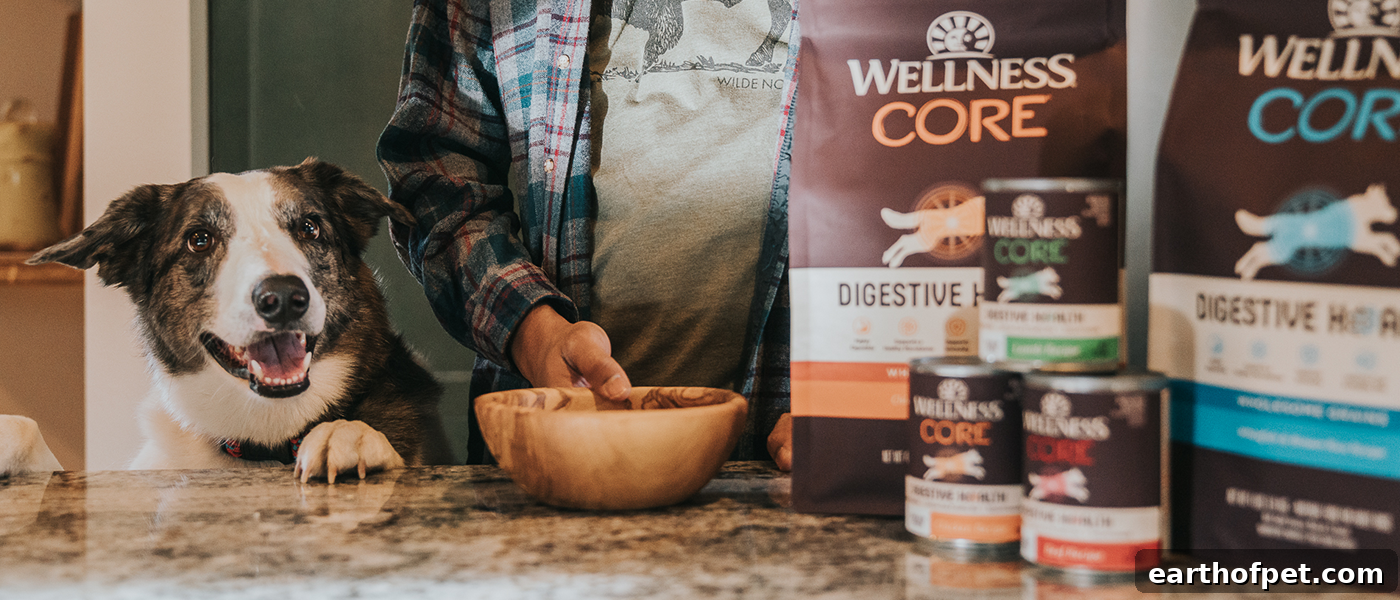
To keep your dog in optimal condition, feed high-quality, complete, and balanced food formulated for your dog’s size, age, and lifestyle. A tailored diet supports healthy growth, maintains muscle and organ function, and helps prevent common problems such as dog obesity. If you suspect your pet is carrying extra weight, review signs and consult guidance on how to recognize when your pet is overweight: How to Recognize When Your Pet Is Overweight.
Active, sporting, or working dogs typically need diets higher in calories and protein to support energy expenditure and muscle recovery. Conversely, older dogs or those with a more sedentary lifestyle often benefit from lower-calorie formulas to maintain a healthy dog weight and reduce the risk of obesity-related conditions. Choosing the right formula is the first step; adjusting portion sizes and feeding routines is equally important.
Determining Your Dog’s Ideal Portion Size
Start with the feeding guide on the pet food bag, but treat that as a baseline rather than a rule. Each dog is unique: metabolism, activity level, neuter status, and life stage all affect calorie needs. Measure food using a kitchen scale or a calibrated measuring cup so portions are consistent. Over days and weeks, observe your dog’s body and adjust amounts until you find the portion that maintains an ideal body condition.
Use simple, practical checks to assess condition: you should be able to feel your dog’s ribs with light pressure without seeing them prominently; a visible waist behind the ribs indicates a healthy profile when viewed from above; and the belly should tuck up when viewed from the side. If you notice excess fat coverage, decrease daily calories gradually; if your dog appears thin or loses muscle mass, consult your veterinarian and consider a formula with more calories or higher protein.

Creating a Healthy Feeding Schedule
For most adult dogs, splitting the daily ration into two meals—morning and evening—helps stabilize digestion and energy levels. Puppies typically require more frequent feedings, while some senior or medically managed dogs may need tailored schedules. Consistent meal times help regulate appetite and make it easier to track consumption and weight changes.
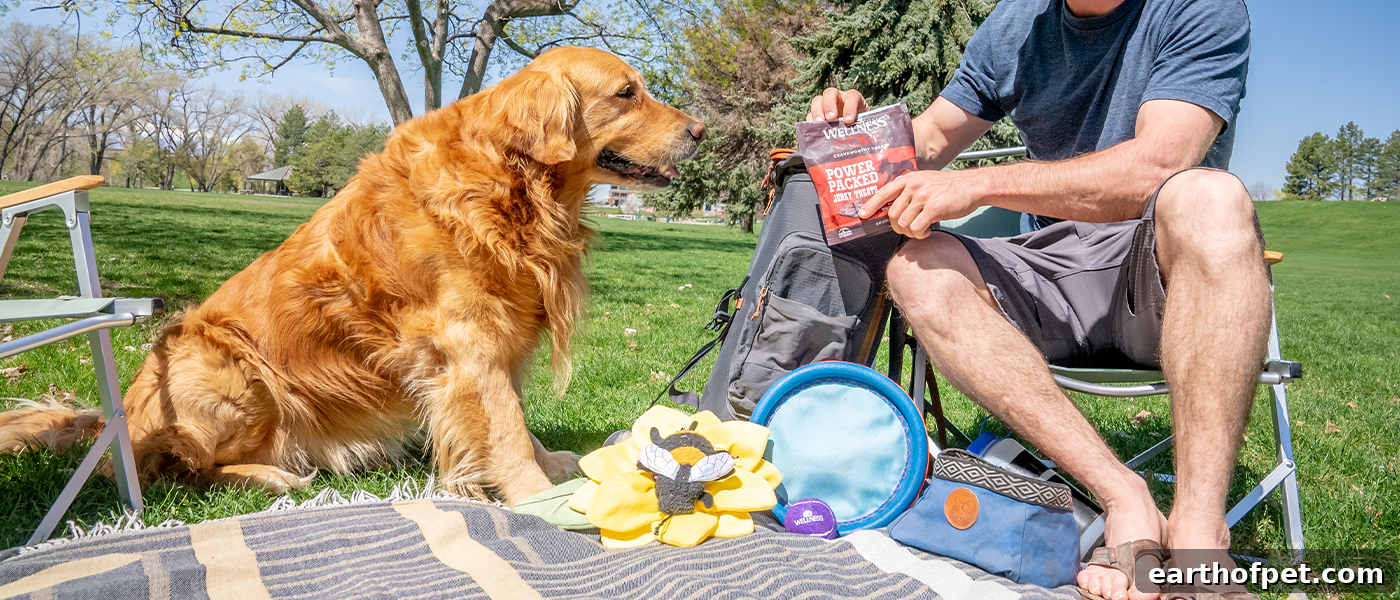
Consider your dog’s activity pattern when planning meals. Avoid heavy feeding immediately before intense exercise, and if your dog tends to be very active, allow for a digestion window after meals before vigorous activity. Keep treats and table scraps to a minimum and count them toward the daily calorie allowance to avoid unintentional weight gain. Use low-calorie training treats, portion them, and reward with praise or play as well.
Monitoring Health and Early Warning Signs
Regular monitoring of your dog’s weight, body condition, and behavior helps you catch problems early. Watch for gradual weight gain, changes in appetite, decreased activity, or difficulty breathing after meals. Simple home checks combined with periodic weigh-ins and body condition scoring can alert you to the need for dietary or lifestyle adjustments.
Modern tools can supplement observation. Wearable health technology designed for dogs can track heart rate, activity levels, and posture, helping detect anomalies sooner. Devices such as smart health collars can provide alerts for changes in vital signs or unusual behaviors, allowing you to act quickly and consult your veterinarian if needed.
In summary, maintaining your dog’s ideal condition relies on choosing the appropriate diet, measuring and adjusting portion sizes, and keeping a consistent feeding schedule that fits your dog’s lifestyle. Regular monitoring—both manual and with suitable technology—helps prevent excess weight gain and supports long-term health. If you have concerns about diet, weight, or any symptom, seek advice from a veterinarian to create a safe, effective feeding and care plan tailored to your dog.