Food For Overweight Cats
Noticing your cat has put on a few pounds can be worrying. Choosing the right food for overweight cats is an important first step toward restoring your pet’s healthy weight and protecting long-term health. A seemingly small weight gain can have a big impact: just a few extra pounds on a cat is proportionally equivalent to a large weight gain in a person. Addressing the issue early and thoughtfully helps prevent chronic disease, improves mobility and comfort, and can extend your cat’s life.
It’s easy to excuse a chunky cat as “just fluffy,” but extra weight is more than an aesthetic concern. If your cat is carrying about 10–20 percent more than its ideal weight, veterinarians consider it overweight; more significant gains fall into the category of obesity. The good news is that with the right approach to diet and activity, most cats can lose excess weight safely and sustainably.
The Obesity Problem
Obesity is one of the most common preventable conditions affecting companion cats. Estimates suggest that roughly 30–35 percent of cats in North America are obese, and as many as half of cats between about five and eleven years old may be overweight. Carrying extra weight reduces life expectancy and increases the risk of several health problems.
- Osteoarthritis and joint degeneration
- Cancer
- Diabetes mellitus
- Heart disease
- Hypertension
- Urinary bladder stones
- Skin conditions and poor coat health
Because of these risks, it’s important to take a measured, veterinarian-guided approach to weight loss. Rapid calorie reduction can cause metabolic problems in cats, so slow, steady weight loss is the safest path.
How Do I Help My Cat Lose Weight?
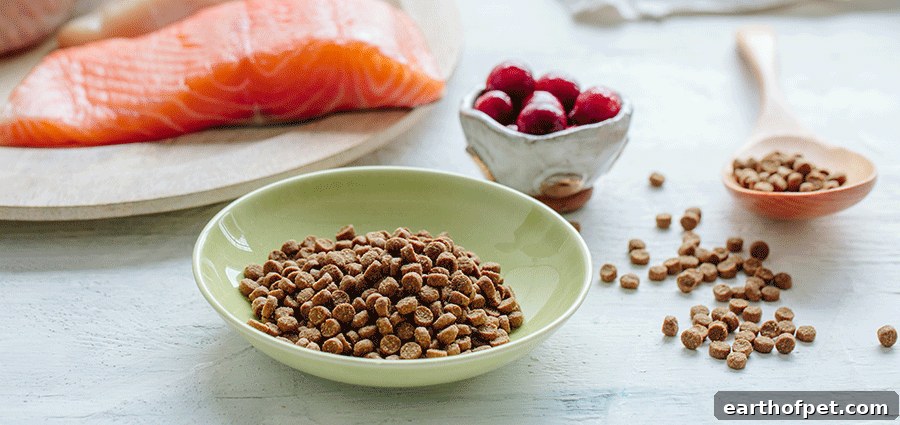
When planning weight loss for an overweight cat, focus on a complete strategy that includes a proper diet, portion control, activity, and veterinary oversight. Diet choices for overweight cats typically emphasize high-quality protein, lower calorie density, and increased fiber to promote satiety. Many commercially available weight-management formulas are designed to reduce total calorie intake while providing essential nutrients so your cat loses fat without sacrificing muscle or overall health.
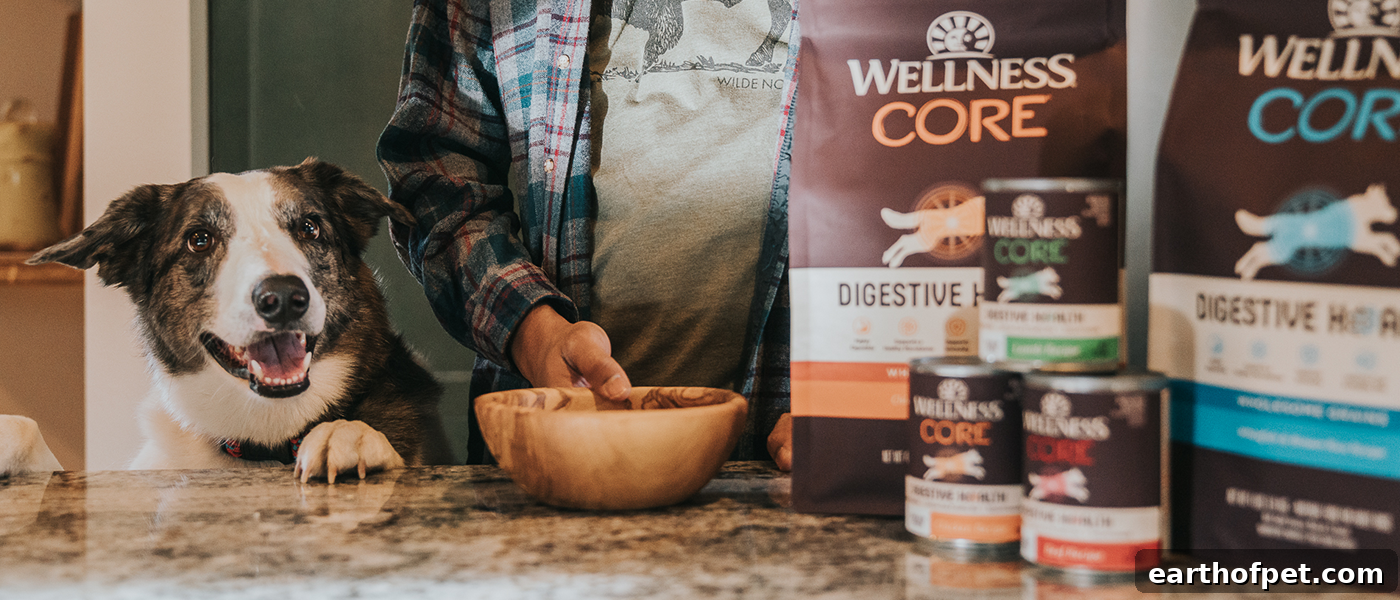
Consider the type of food you feed. Dry diets are convenient but often contain more carbohydrates; incorporating wet food can help reduce carbohydrate intake and provide additional moisture, which supports urinary tract health and overall hydration. Some owners and veterinarians also discuss raw or minimally processed diets, but these should only be considered in consultation with a veterinary professional to ensure nutritional completeness and food safety.
Whatever food you choose, follow these practical guidelines:
- Work with your veterinarian to determine an ideal target weight and a safe rate of loss. Sudden, drastic calorie cuts are risky for cats.
- Measure portions precisely and feed on a consistent schedule rather than free-feeding, which promotes overeating.
- Limit high-calorie treats. If you want to reward your cat, choose a few low-calorie options or break treats into smaller pieces.
- Consider feeding strategies that slow eating and increase engagement—puzzle feeders or timed meal dispensers can help.
- Monitor body condition and weight regularly. Aim for slow, steady progress and adjust the plan under veterinary guidance as needed.
Exercise and enrichment are essential complements to dietary change. Interactive play sessions, climbing structures, and toys that encourage chasing and pouncing will help burn calories and preserve muscle mass. Short, frequent play periods are often more effective than a single long session—cats respond well to bursts of activity that mimic hunting behavior.
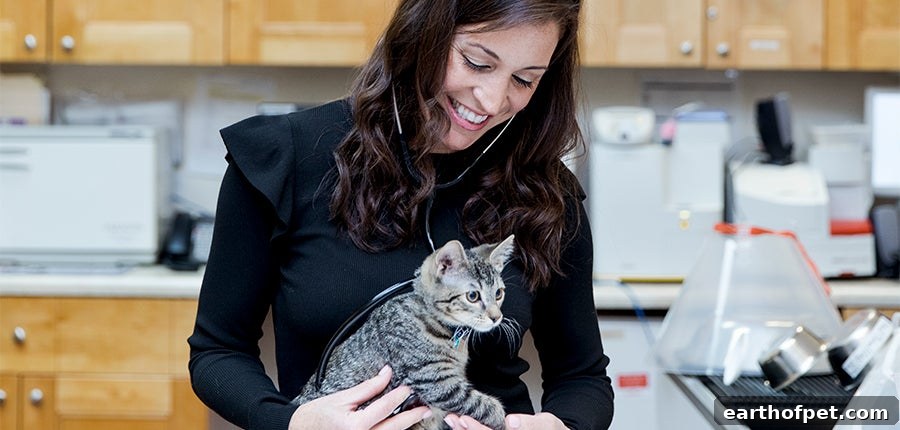
In some cases, a prescription weight-loss diet or a medically supervised program will be recommended by your veterinarian. These programs are designed to meet all nutritional requirements while promoting safe fat loss. Regular check-ins with the veterinary team help ensure your cat is losing weight at a healthy pace and that no medical issues are interfering with progress.
Finally, remember that weight loss for cats is a gradual process that benefits from consistency, patience, and monitoring. By choosing an appropriate food for overweight cats, controlling portions, limiting treats, increasing exercise, and working closely with your veterinarian, you’ll give your cat the best chance to reach and maintain a healthy weight.