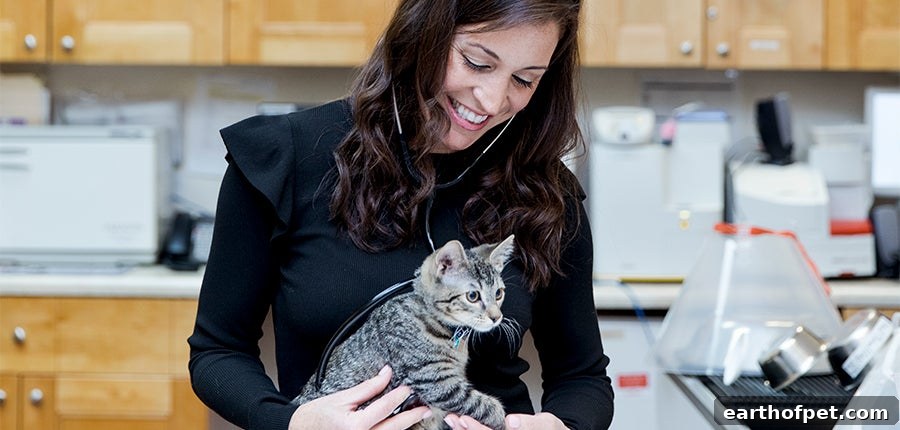
Cancer is one of the leading causes of death in companion animals. While a balanced diet, regular exercise and preventive care reduce the risk of many diseases, careful observation and routine veterinary visits are essential for catching problems early. Pets can’t tell us when something feels off, so owners who know what to watch for give their animals the best chance for timely diagnosis and treatment.
Diagnosing cancer in pets requires a full veterinary evaluation and diagnostic testing, but there are common signs that merit prompt attention. The items below describe symptoms that might indicate an underlying illness, including cancer, and explain what to do if you notice them.
Here are 5 Signs of Illness in Your Pet (Sometimes Cancer-Related):
1—Lumps – Many older pets develop small bumps or skin growths that are benign, such as fatty tumors or cysts. However, any new lump, a mass that changes size, becomes ulcerated, bleeds, is painful to the touch, or appears very quickly should be examined by a veterinarian. Your vet may perform a fine-needle aspiration, cytology, or recommend a biopsy to determine whether a growth is cancerous. Photographing the lump and noting when you first saw it can help track changes between exams.
2—Unexplained weight loss – Sudden or progressive weight loss when diet and activity are unchanged is an important warning sign. Weight loss can be caused by a range of conditions, including metabolic disease, dental problems, chronic infection, or cancer. Your veterinarian will typically take a medical history, perform a physical exam, and run blood tests, fecal checks, or imaging to find the underlying cause and recommend appropriate treatment.
3—Unusual odors – Persistent bad breath, foul odor from the ears, or a strong scent from the anal area can signal localized infections, dental disease, or, less commonly, tumors in those regions. Oral cancers, ear canal masses and certain anal gland tumors may produce abnormal smells. A veterinary examination will assess dental health, ear canals and perianal areas and determine whether cleaning, medication, or further diagnostic testing is needed.

4—Change in bathroom habits — Alterations in urination or defecation can point to health issues. Difficulty eliminating, increased frequency, accidents in the house, straining, or blood in the urine or stool are all signs that warrant veterinary attention. Some behavioral changes can be triggered by stress or a recent change in environment, but persistent or sudden bathroom problems should be evaluated to rule out infections, urinary stones, intestinal disorders or tumors.
5—Lethargy – A noticeable decrease in energy, lack of interest in favorite activities (walks, play, car rides), or prolonged sleep may indicate an underlying disease. Lethargy is a non-specific sign that can accompany many illnesses, including infections, metabolic conditions, pain, and cancer. If your pet is unusually tired for more than a day or two, or shows other symptoms like vomiting, diarrhea, appetite loss or behavioral changes, schedule a veterinary visit for assessment and diagnostics.

In addition to watching for these five signs, routine preventive care helps with early detection. Regular physical exams, dental cleanings, weight monitoring and keeping vaccination and parasite control up to date all support long-term health. Maintain a record of changes in appetite, behavior, lumps or wounds, and share those notes with your veterinarian. When tests are recommended, early diagnostics such as blood panels, imaging (X-rays or ultrasound) and tissue sampling provide information that guides timely treatment decisions.
Remember that many causes of these signs are not cancer, and prompt veterinary evaluation can often identify treatable conditions. Paying attention to subtle changes, seeking professional advice when something seems off, and staying current with preventive care give your pet the best chance for early detection and a positive outcome.