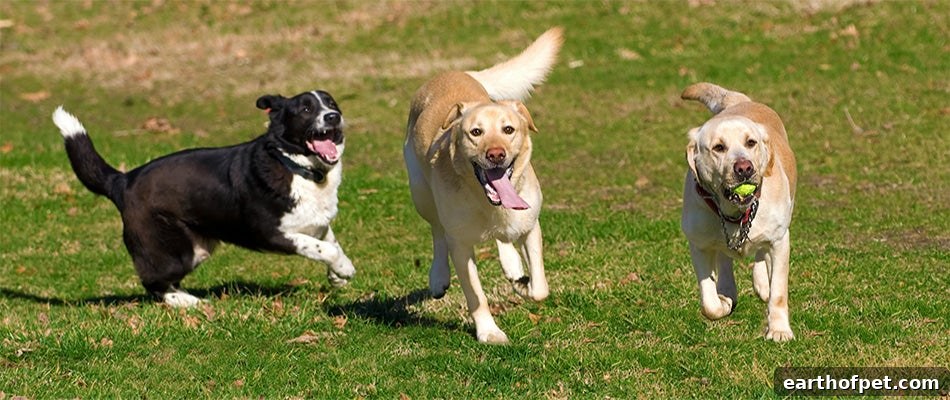
Dog parks are the social hubs of the canine world—valuable spaces where dogs can exercise, play, and practise social skills. When used responsibly, they add variety to your dog’s routine and support healthy behaviour around other dogs. However, good dog park etiquette matters for everyone’s safety and enjoyment. Follow these practical do’s and don’ts to keep visits positive for your dog, other dogs, and fellow dog owners.
5 Dog Park Etiquette Do(s)
These simple habits will help your dog make friends and ensure other park users appreciate your presence.
1. Scoop the poop
Always pick up after your dog. Leaving waste behind is unsanitary and quickly earns you a poor reputation among other dog owners. Bringing waste bags and disposing of them properly is a small effort that keeps the park clean, prevents the spread of parasites, and helps maintain a welcoming environment. If you see unattended waste and can safely pick it up, doing so is a considerate gesture that benefits everyone.
2. Exercise first, dog park second
Think of the dog park as a supplement to your dog’s routine, not the main source of exercise. A pre-park walk or a short training session helps burn excess energy so dogs are calmer and more likely to play politely. Tired dogs are less reactive and better able to engage in appropriate social behaviors, which reduces the chance of rough interactions or overstimulation.
3. Supervise your dog while at the park
Active supervision is essential. Don’t sit glued to your phone while your dog interacts with others—watch body language, step in when play becomes too intense, and intervene calmly if necessary. Being present allows you to redirect negative interactions, reinforce good behavior, and protect both your dog and others from potential escalation.
4. Leave the kids at home
Small children and busy dog play don’t always mix. The unpredictability of excited dogs and the potential for intense or sudden interactions make many parks unsuitable for young children. If children do attend, they should be closely supervised by another adult and instructed on how to behave calmly around dogs to avoid startling or provoking them.
5. Be cautious about handing out treats
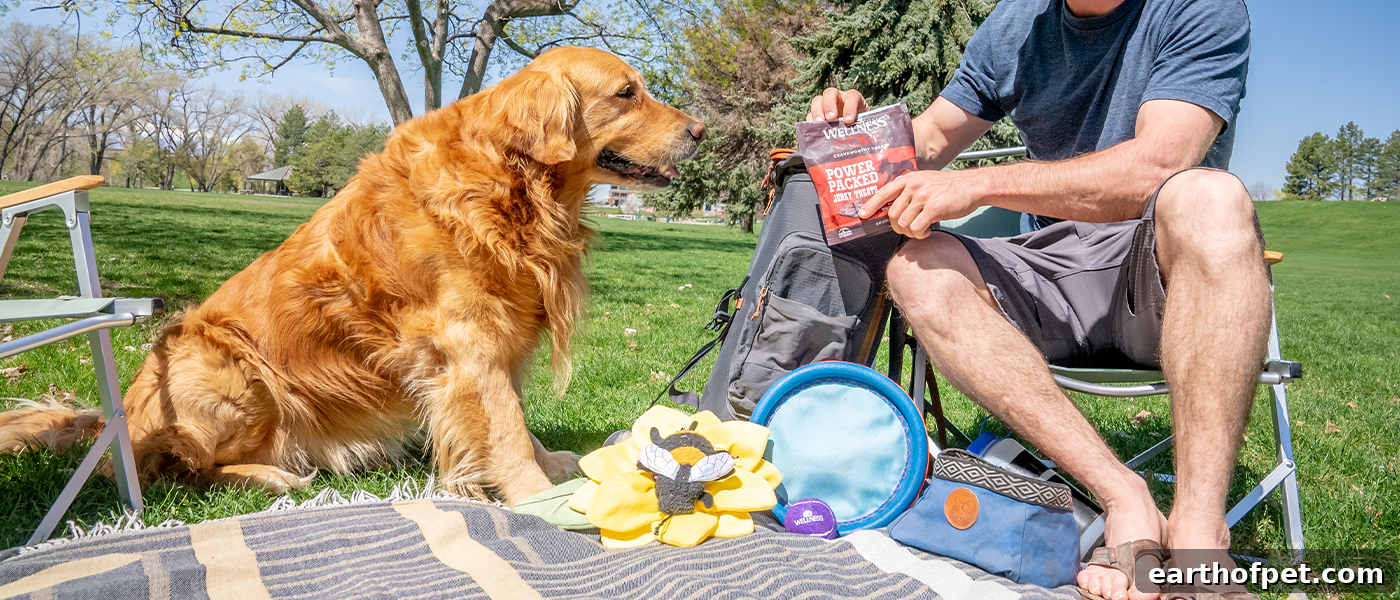
Treats can be a useful tool for training, but they can also trigger resource guarding or conflicts if other dogs rush in. If you need to reward your dog, do so away from other dogs or save treats for after you leave. Never offer food to other people’s dogs without permission from their owner, and avoid tossing snacks on the ground where multiple dogs might scramble for them.
5 Dog Park Etiquette Don’t(s)
Avoiding these behaviors helps keep the park safe and pleasant for everyone.
1. DON’T bring a sick or unvaccinated dog to the park
If your dog is ill, has contagious symptoms, or isn’t up to date on vaccinations, stay home. Bringing a sick or unvaccinated dog risks spreading disease and can endanger other animals. When in doubt about your dog’s health, consult your veterinarian and postpone park outings until your dog is healthy and cleared for social interaction.
2. DON’T allow your dog to bully other dogs
If your dog repeatedly pins, chases aggressively, or intimidates others, remove them from the park. Tolerating bullying behavior puts other dogs at risk and creates stress for owners. Work on training and behaviour modification outside the park until your dog can interact respectfully.
3. DON’T bring human food to the dog park
Human food can cause fights and pose health risks to dogs. Many foods are toxic to dogs or can trigger competitive behavior that leads to conflict. Keep human snacks out of the park and focus on appropriate dog-safe treats used responsibly by owners for training when needed.
4. DON’T bring a dog who doesn’t respond to verbal commands
Basic obedience—especially recall and calm response to commands—is important for safety in open, social settings. If your dog doesn’t reliably come when called or follow simple cues, work on training in less distracting environments before allowing off-leash play at the park. Reliable commands help you intervene quickly when situations become risky.
5. DON’T keep your dog on a leash in a ‘no-leash’ area
If a section of the park is designated for off-leash play, keeping a leashed dog there can cause entanglement, stress, and safety hazards—particularly with retractable leashes. Follow posted rules: use the correct area for leashed or unleashed dogs and choose your entry based on your dog’s training and behavior.
Before your next visit, refresh your knowledge of canine body language—watch for signs of stress, fear, or over-arousal so you can intervene early. Practicing basic training, supervising closely, and following these etiquette tips will make the dog park a safer, happier place for dogs and owners alike.