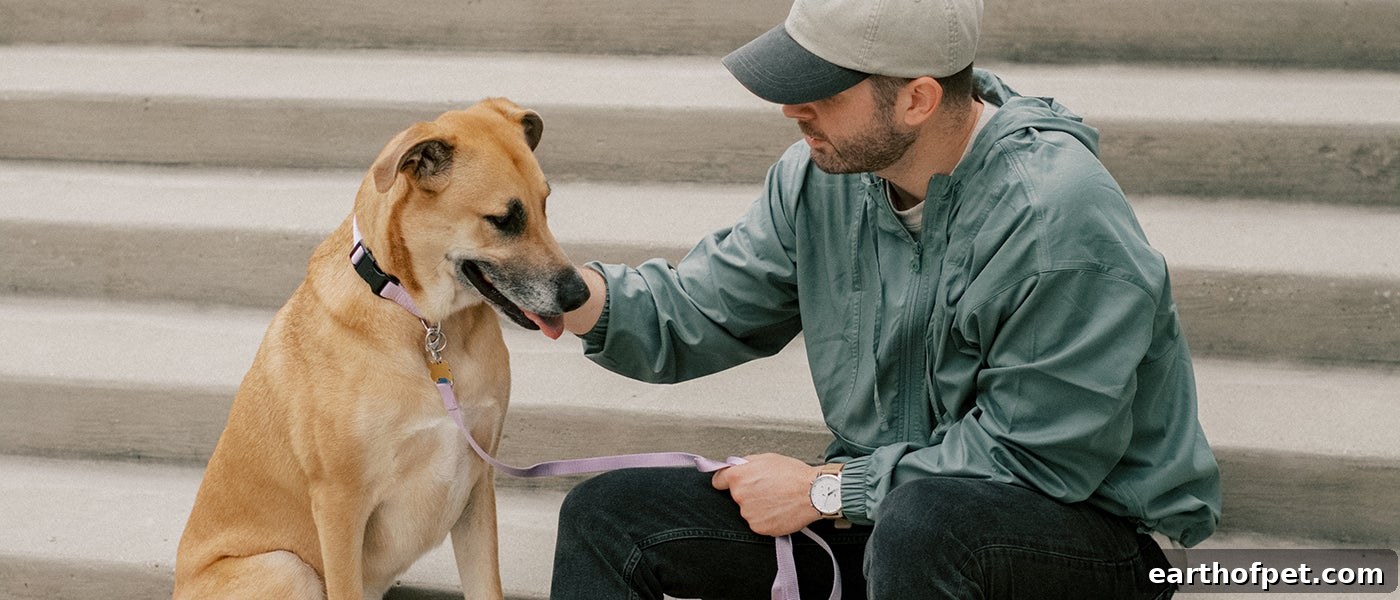
Walking your dog is an excellent way to get moving, enjoy fresh air, and strengthen the bond between you and your pet. Good walks take a bit of preparation and consistent training, but with the right approach you can look forward to relaxed, safe outings. Below are practical tips to help you and your dog enjoy the best leash manners possible.
Why Are Leashes Important?
A leash is a basic safety tool for any dog going out in public. It helps you protect your dog from hazards like traffic, unfamiliar animals, or getting lost, and it helps protect other people and pets you encounter. Leashes also prevent dogs from eating dangerous items or wandering into risky situations. Beyond safety, many communities have regulations that require dogs to be on a leash in public spaces, so using one keeps you compliant with local rules. In short, a well-trained dog on a leash is safer, more predictable, and more welcome in shared spaces.
Tips for Walking with a Leash
Comfort on leash starts with the right equipment and calm, consistent training. Leashes, collars, and harnesses come in many styles; choose gear that fits your dog’s size, strength, and training needs. For example, a front-clip harness can help reduce pulling by redirecting the dog toward you when they surge forward. Match the leash style to the activity—shorter, sturdy leashes for busy streets and longer, lightweight leashes for open parks where more freedom is appropriate.
Training to prevent pulling is the single most valuable skill for a good walking experience. Teach your dog to walk at your side and to check in with you when they see distractions. Use positive reinforcement—small, high-value treats or praise—to reward attention and obedience. When your dog walks beside you or responds to a recall, reward them immediately so they learn that staying close has benefits.
Avoid jerking or yanking on the leash. Sudden tugs can injure your dog’s neck and create anxiety about walks. If your dog pulls, stop and wait for slack, or change direction to teach them that pulling does not get them where they want to go. Use gentle redirection, treats, and consistent cues rather than force.
Dogs explore the world primarily through scent, and sniffing is an important part of their mental enrichment. Allow time during the walk for safe sniffing breaks so your dog can investigate new smells, but keep them from eating unknown objects. Balancing exploration with focus training will make walks more enjoyable for both of you.
How Can I Prepare for an Outing?
Planning ahead makes outings safer and more pleasant. Know your route and estimate how long the walk will take. Consider surface and terrain—pavement heats up in summer and rugged trails can be hard on paws. Adjust distance and pace for your dog’s age, fitness, and any health concerns.
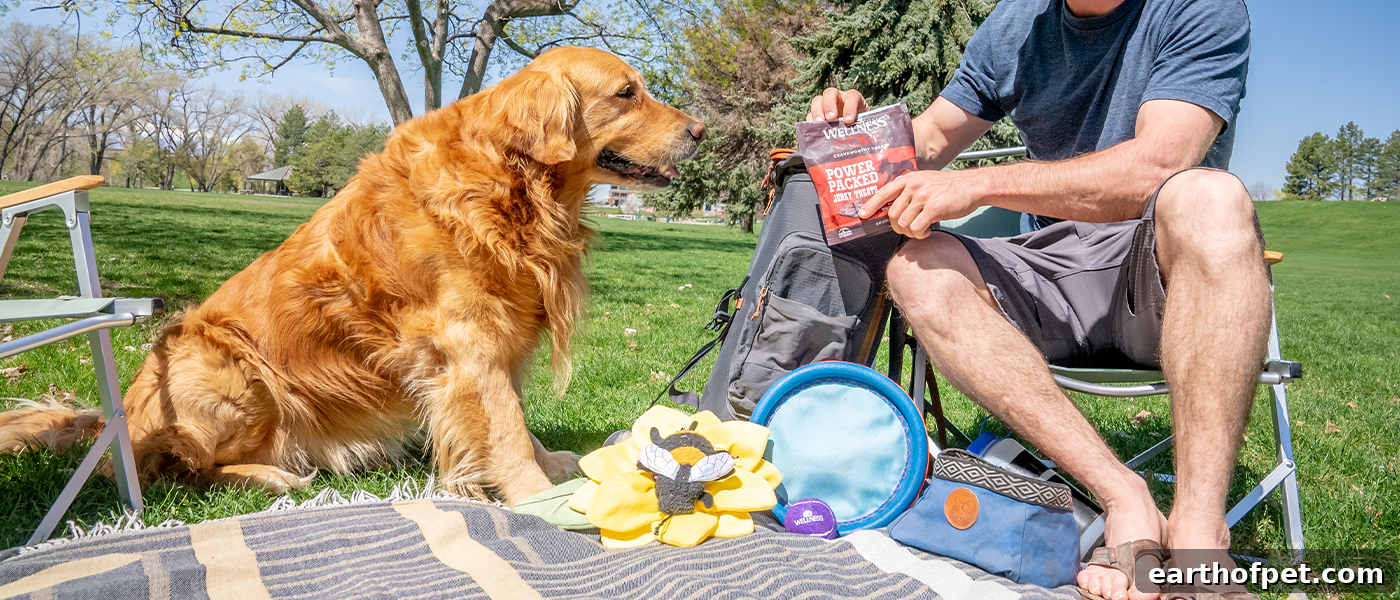
Pack essential supplies: water, a portable bowl, treats for training, and waste bags. Hydration is easy to overlook but essential, especially on warm days or after vigorous activity. Treats help reinforce good behavior and focus, so keep a stash handy. And always carry waste bags—cleaning up after your dog is courteous and sanitary for everyone who uses the space.
Keep your dog’s preventive care up to date, including vaccines and parasite protection. Outdoor settings can expose dogs to fleas, ticks, and other risks; routine veterinary care reduces those risks. You may also consider whether pet insurance fits your needs so you’re prepared for unexpected injuries or illnesses that can occur during outdoor play.
Things to Watch Out For
Certain behaviors and situations require extra vigilance. Leash reactivity or aggression—growling, barking, or lunging at other dogs when restrained—can be triggered by the frustration of being tethered. If your dog shows these signs, work with a professional trainer or behaviorist to develop a plan that teaches calm responses and safe social habits. Training that teaches your dog to look to you when other dogs appear gives you better control over interactions.
Be aware of other animals and people on your route. Not every person or dog wants to be approached; ask before allowing someone to pet your dog and look for body language that signals comfort or stress. Always prioritize your dog’s comfort and safety by managing introductions and avoiding situations that might escalate.
No walk is risk-free, but the right preparation and consistent training make outings predictable and enjoyable. Walking your dog can become one of the best parts of the day for both of you—an opportunity for exercise, mental stimulation, and connection. Put in the time to teach good leash manners and bring the essentials, and you’ll both benefit from calmer, safer, more rewarding walks.